



Modern Furniture Spacing Guide: How to Space Furniture in Any Room
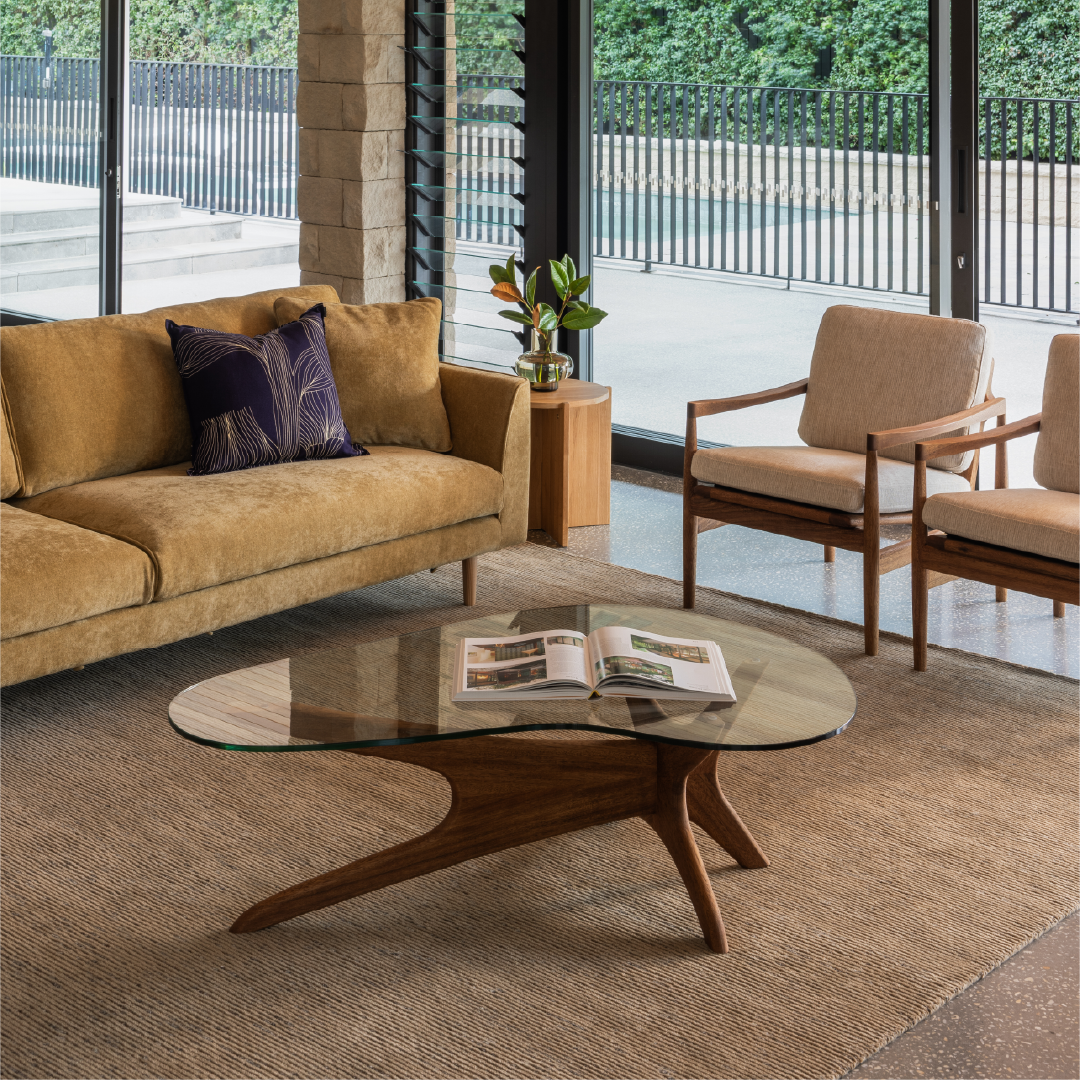
Modern interior design treats spacing as part of the room’s overall design language. It is not something added at the end, but something considered from the beginning. Function leads, but atmosphere follows closely behind.
When spacing is done well, a room feels natural. Movement feels effortless, seating feels connected, and the entire space settles into a quiet sense of balance that is difficult to define but immediately noticeable.
This is the essence of modern furniture layout. Not by filling a space, but by allowing it to feel open and easy to live in.
Understanding Furniture Spacing in a Modern Home
At its simplest, furniture spacing is about proportion. Walkways in a well-composed room typically sit around 800-1000mm, allowing movement without interruption and giving the space a sense of ease rather than congestion.
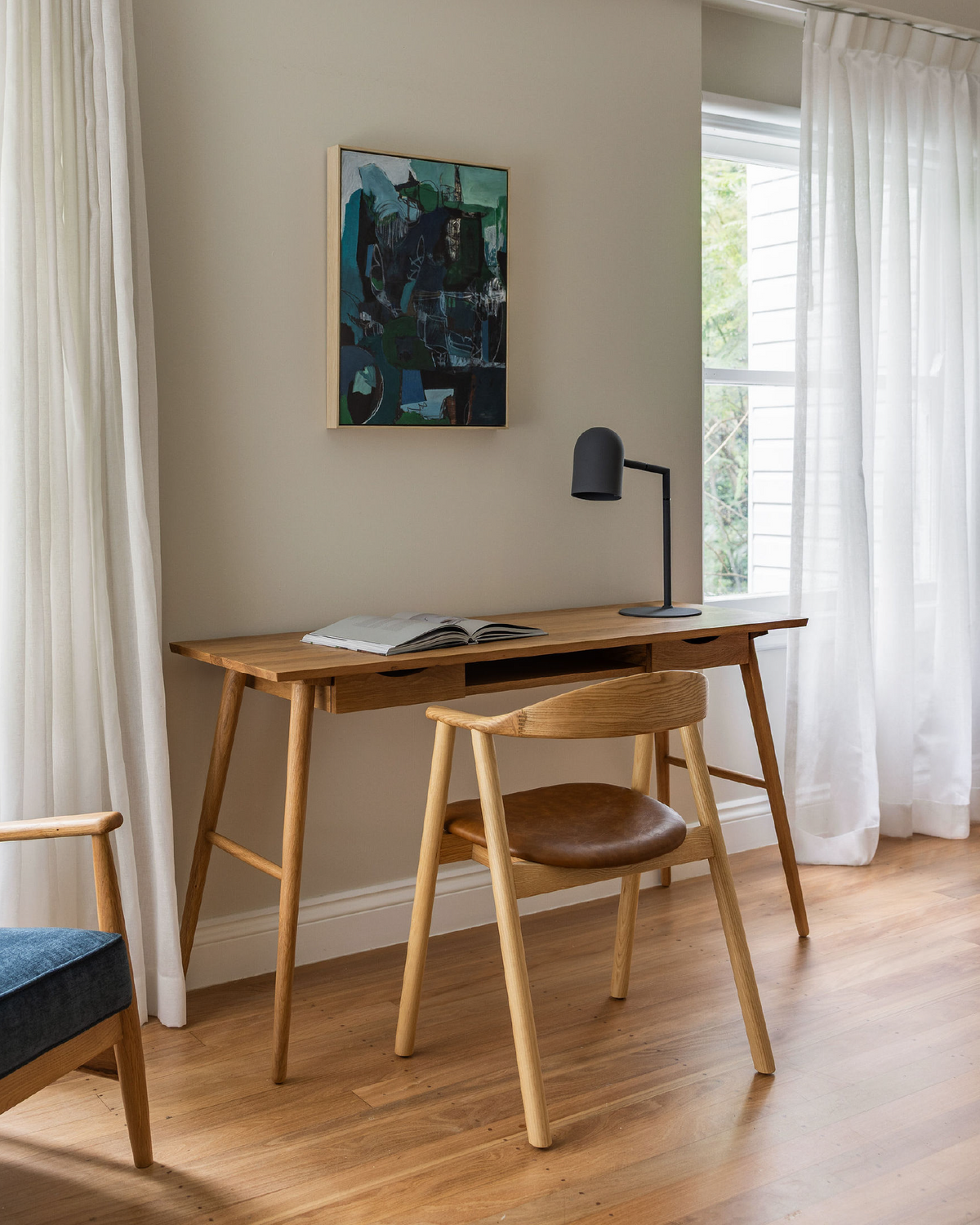
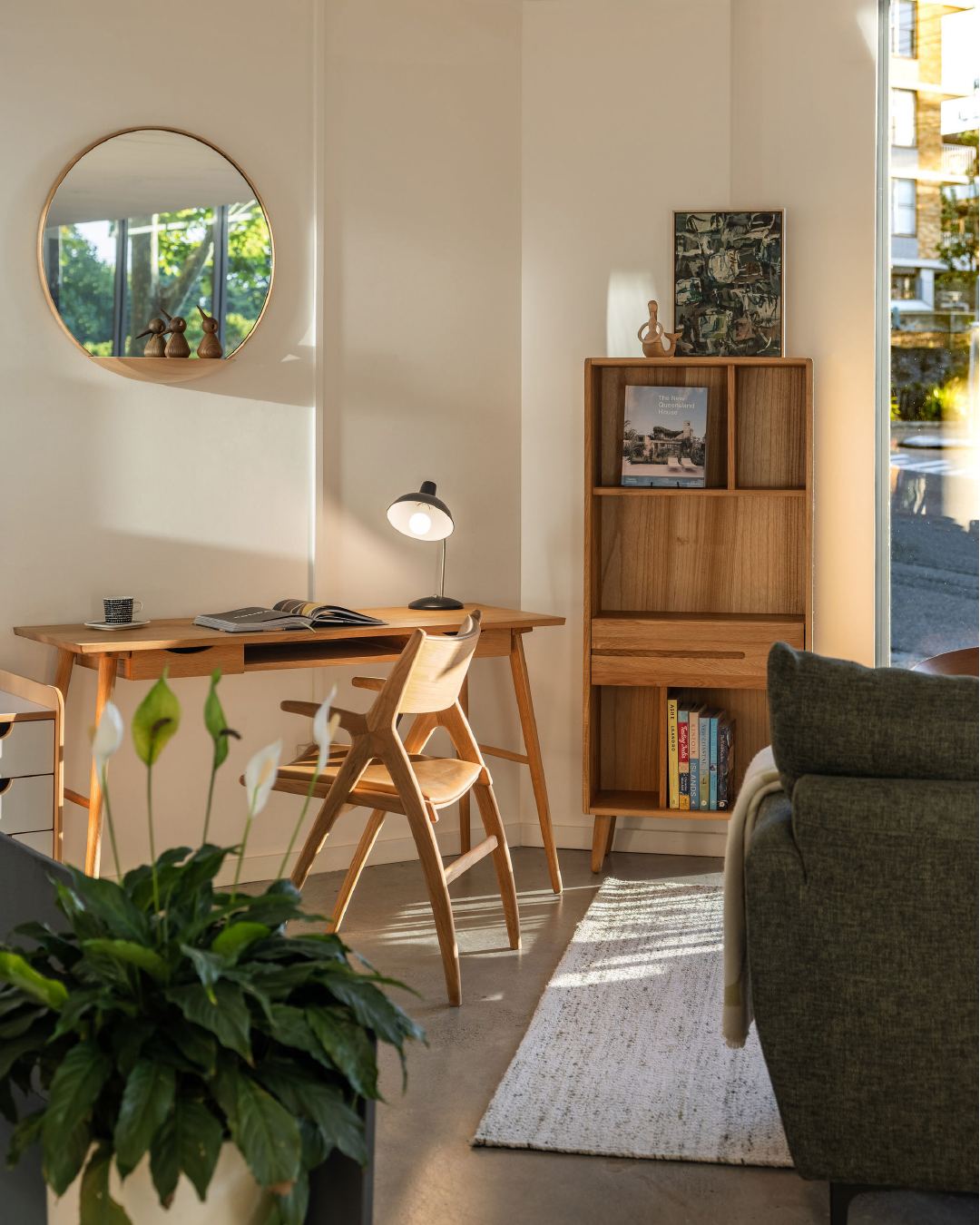
Rather than filling every available corner, modern layout relies on intention. Each piece should feel placed, not positioned, supporting the way the room is lived in rather than simply occupying space. When this approach is successful, the room feels naturally connected, with clear paths and a sense of order.
How to Approach Furniture Layout in a Living Room
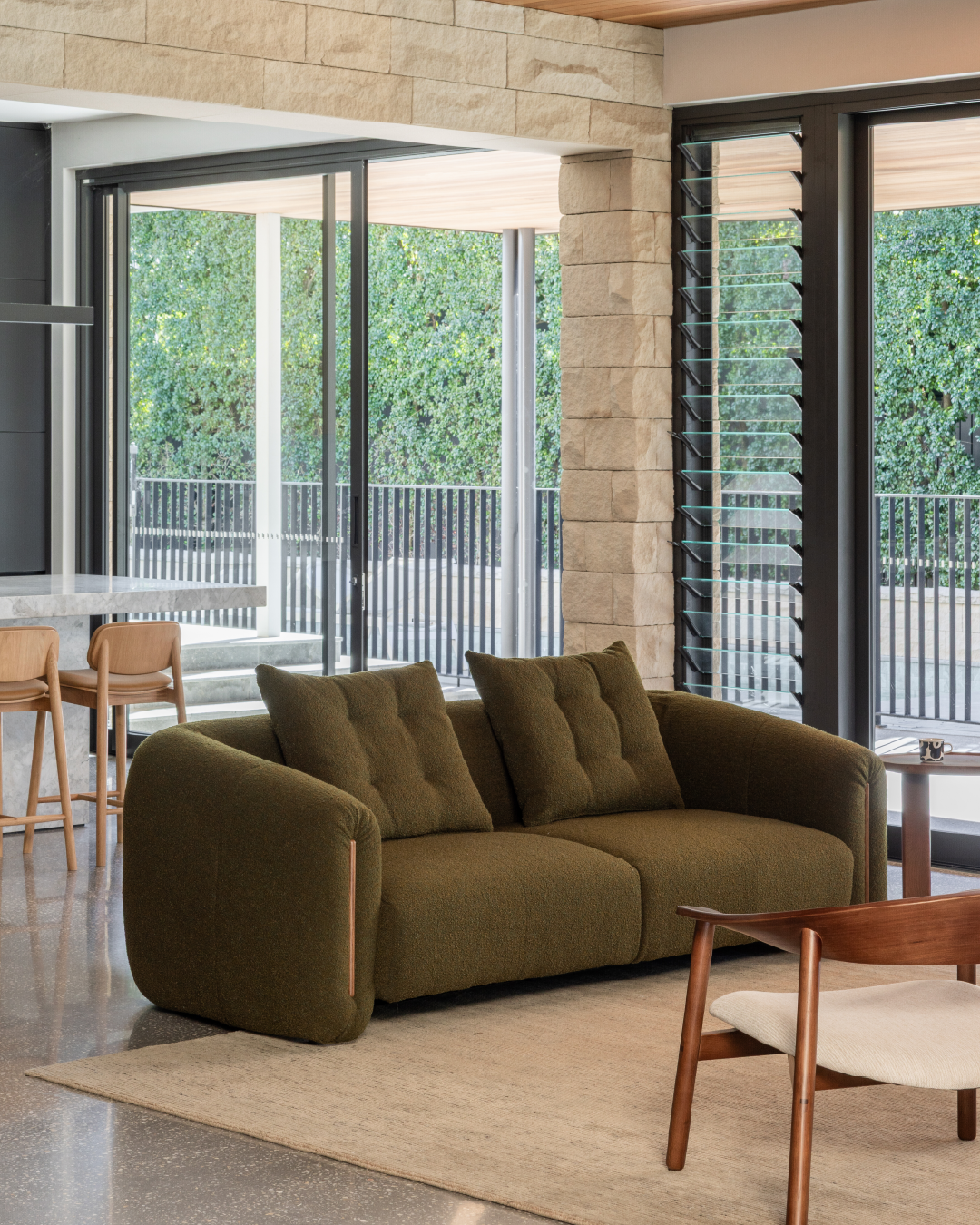
A well-balanced living room almost always begins with a single anchor, usually the sofa as the largest piece in the room, and the rest of the living room furniture is arranged in relation to it.
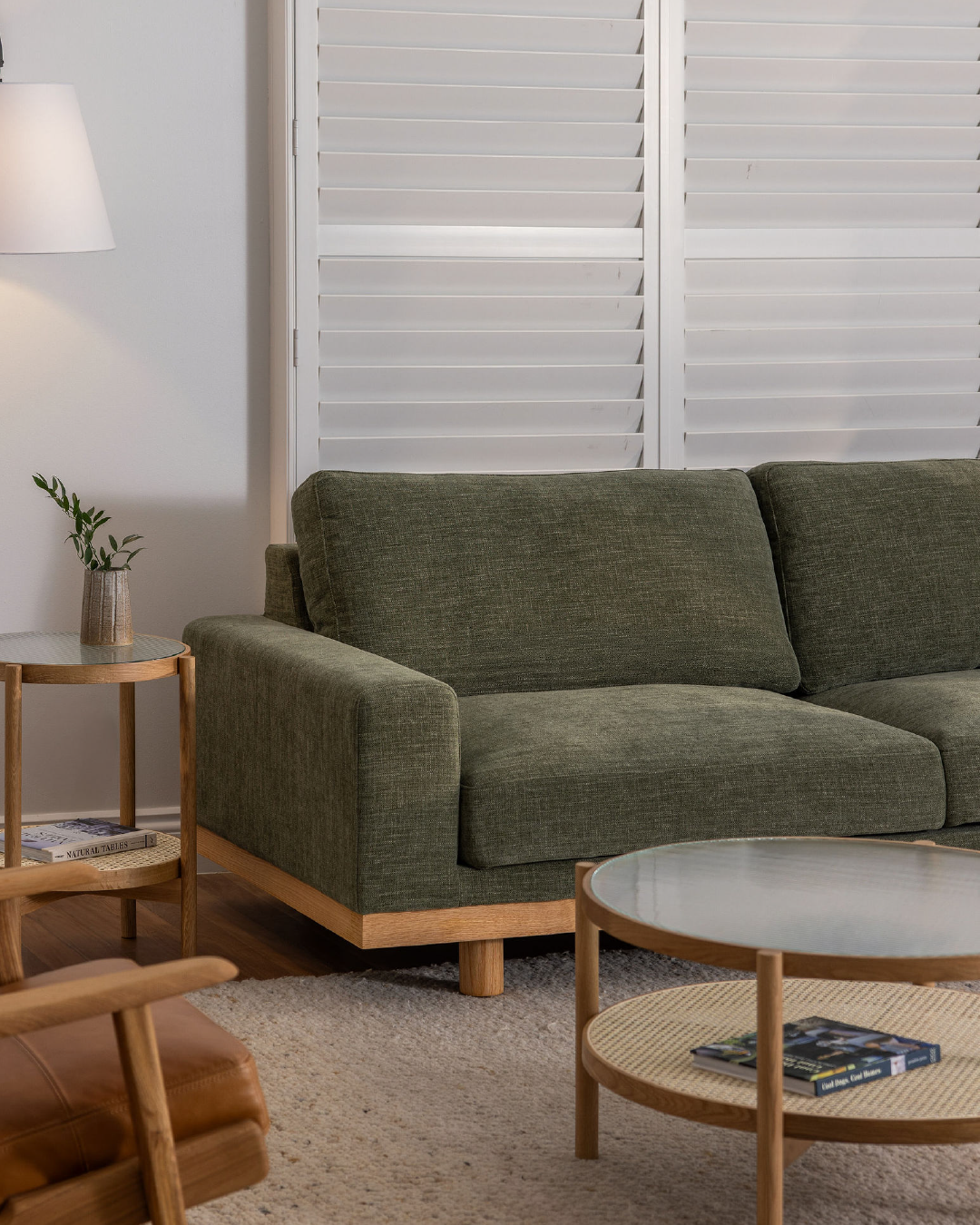
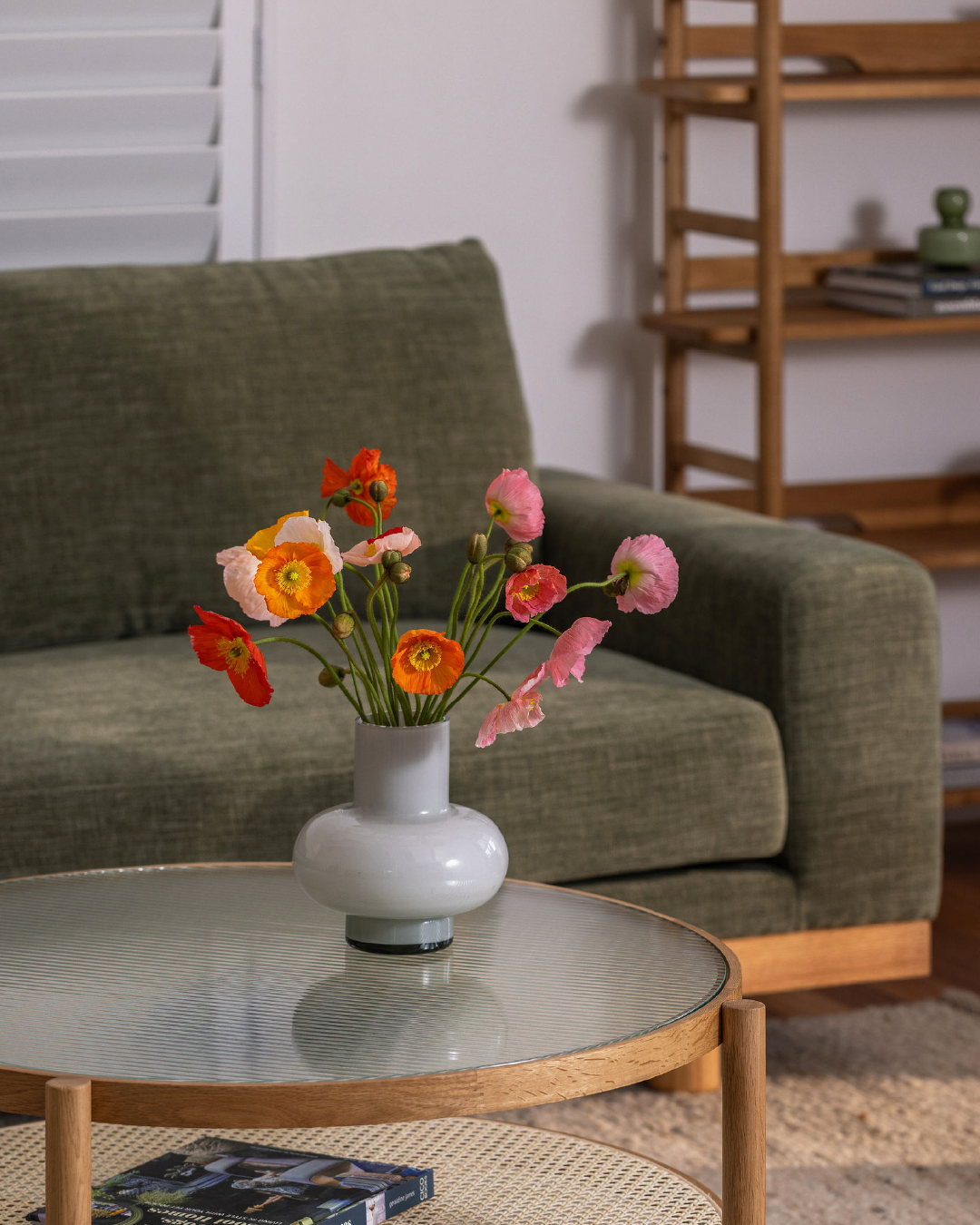
A sofa and coffee table generally sit most comfortably with around 400-500mm between them, close enough to remain functional, but far enough apart to avoid visual heaviness.
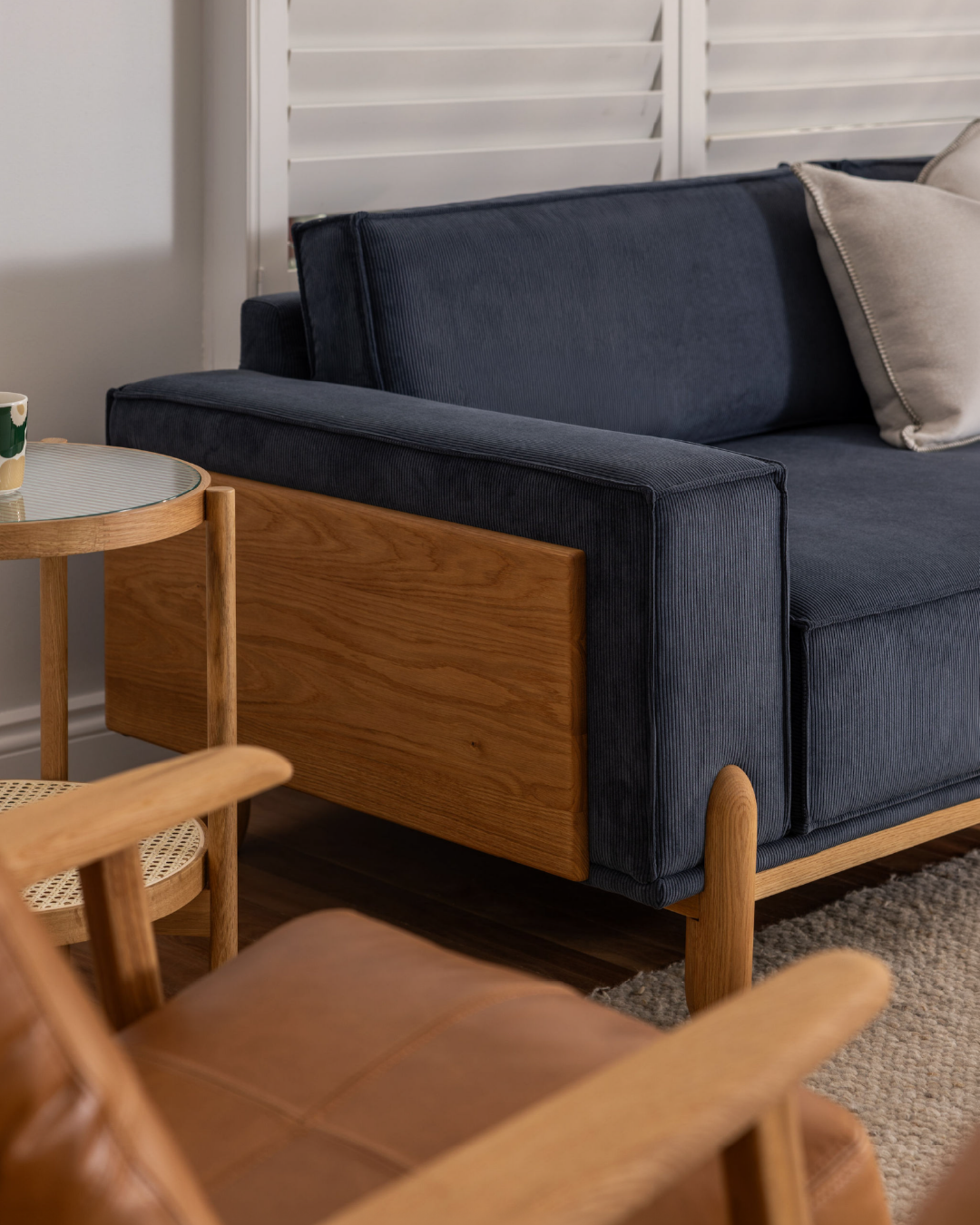
Between seating pieces, a range of 500-800mm is recommended to support conversation while still maintaining breathing room within the layout.
One of the most common living room layout issues is pushing furniture directly against the walls with the intention of creating space. Alternatively, this often ends up flattening the room and reduces depth. Allowing even small shifts inward can completely change how the living room feels, making it more grounded and connected.
How to Approach Furniture Layout in a Dining Room
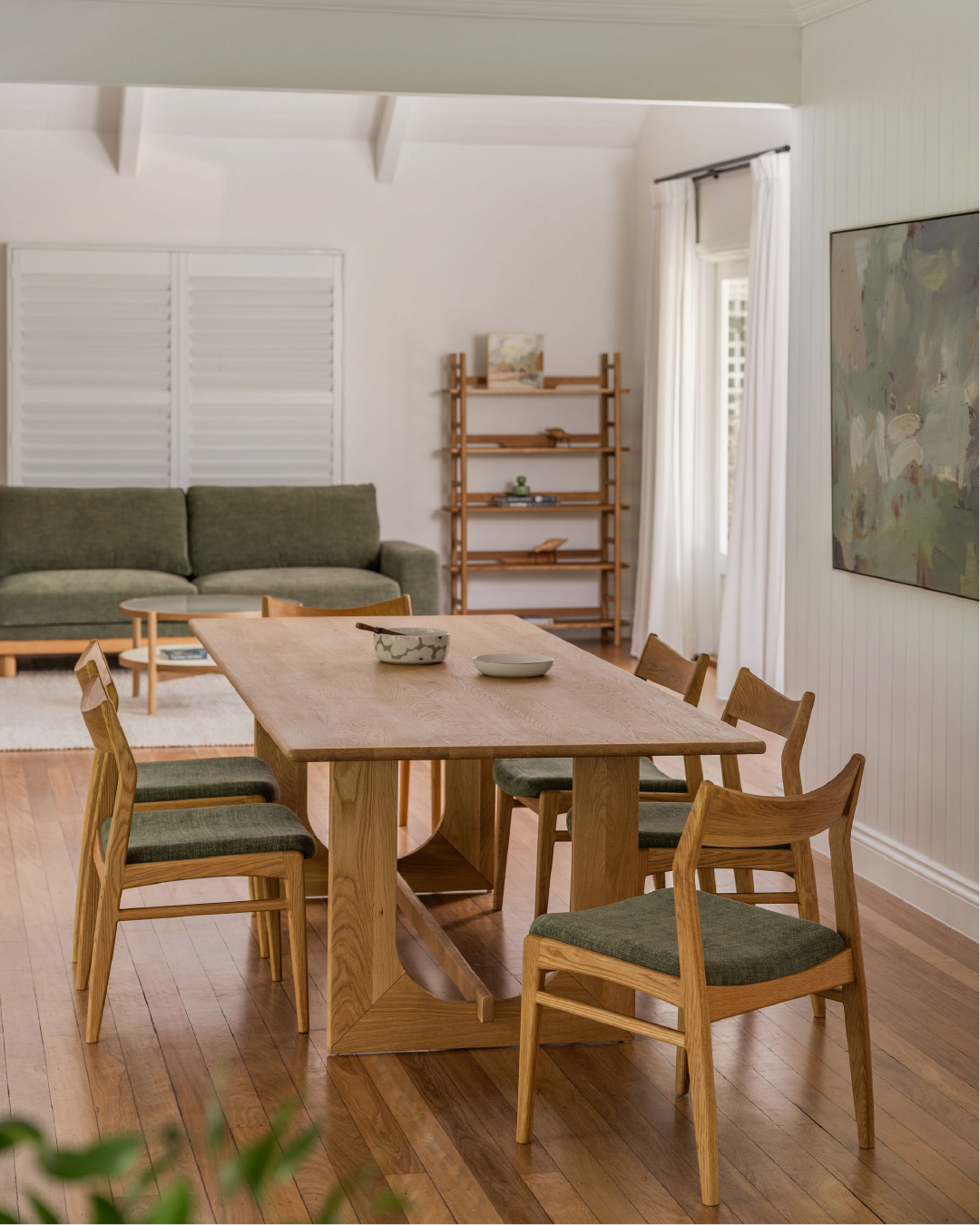
A balanced dining room layout begins with the dining table, as it naturally anchors the entire space. The size, shape and position of the table will influence how comfortably the room functions.
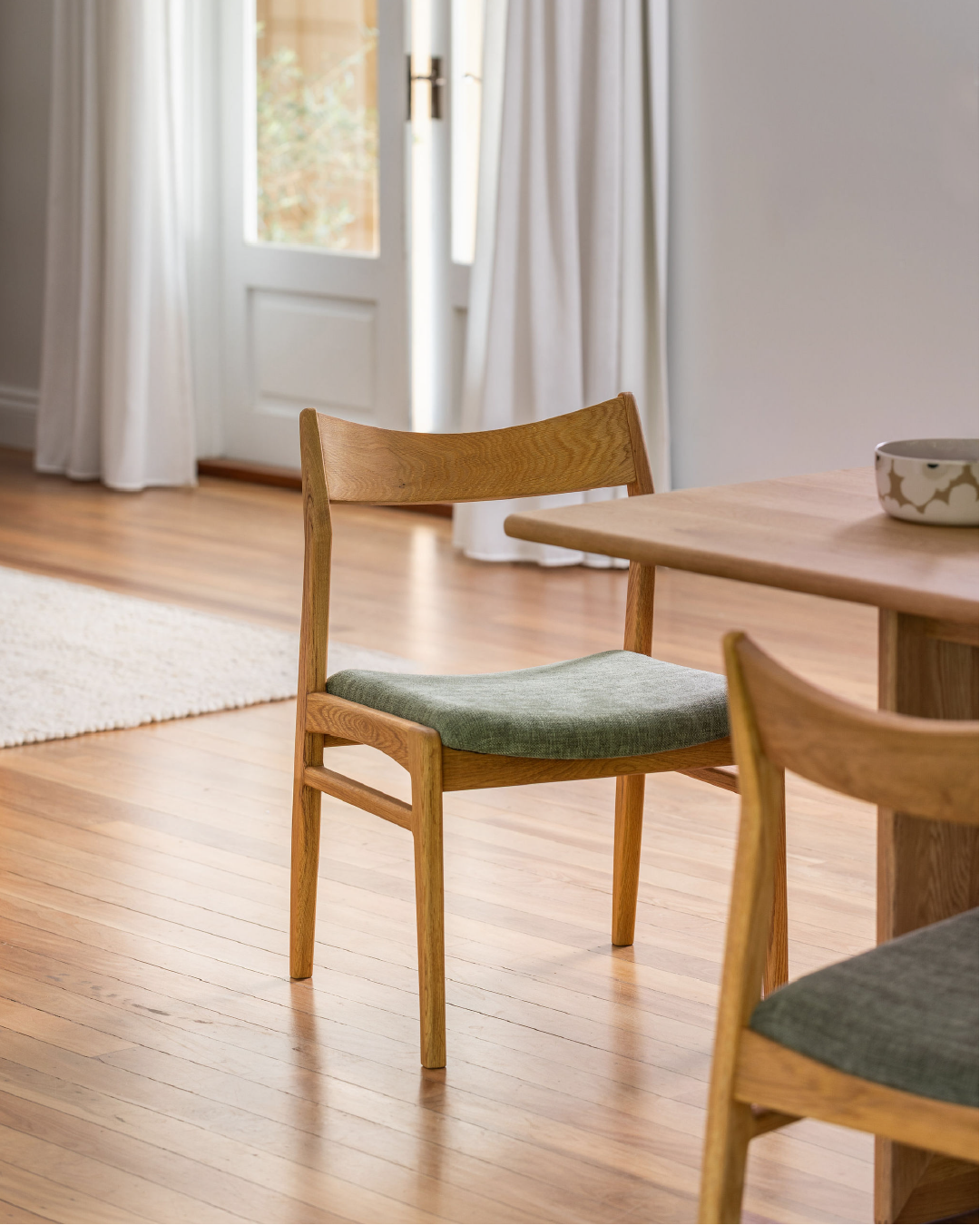
Dining areas benefit from a little more generosity. Around 900mm behind dining chairs generally allows enough room for them to be pulled out comfortably, while allowing approximately 600mm per person at the table helps avoid the setting feeling cramped.
One of the most common dining room layout mistakes is choosing a table that feels too large for the space. While extra seating can be tempting, maintaining breathing room around the table often creates a dining room that feels more visually balanced and functional.
A great compromise is an extendable dining table that feels proportional for everyday use, while offering flexibility when extra seating is needed.
How to Approach Furniture Layout in a Bedroom
A well-balanced bedroom layout begins with the bed, as it naturally becomes the focal point of the space. The placement of surrounding furniture should support a sense of calm and ease of movement throughout the room.
In the bedroom, a clearance of approximately 500-700mm beside the bed generally creates enough space for incorporating bedside tables, dressers or occasional seating, helping the room feel open rather than crowded.
One of the most common bedroom layout mistakes is overfilling the space with furniture that restricts movement. Bedrooms tend to feel most restful when there is enough breathing room around key pieces, allowing the space to feel more balanced and easier to unwind in.
Why Do Small Rooms Feel Wrong When Spacing is Off?
Smaller spaces are especially affected by proportion. When furniture is too large or placed too closely together, the room quickly feels compressed. Alternatively, spacing that is too generous can make the space feel sparse or unfinished.
The key to balance is clarity.
Keeping pathways open, choosing appropriately scaled furniture, and allowing negative space to remain visible all contribute to a sense of openness. In modern interiors, emptiness is not wasted space rather than what allows the room to breathe.
Common Furniture Spacing Mistakes
Most issues in room layout come down to a handful of recurring patterns:
-
Furniture pushed tightly against walls often removes depth from a space rather than adding it.
-
Inconsistent spacing between pieces can disrupt visual flow, even when individual items are well designed.
-
Oversized furniture can overwhelm proportion, while overcrowding removes the clarity that modern interiors rely on.
-
Poor scale relationships between pieces can make a room feel visually unbalanced, even when each item works individually.
In most cases, the solution is not replacing furniture but adjusting distance. Small changes in spacing often have a disproportionate effect on how finished a room feels.
Final Perspective
Good furniture spacing is rarely seen. It is felt instead.
The proportions we’ve provided are not rigid rules, but they are consistent across well-designed modern interiors, particularly those influenced by Scandinavian and Mid-Century Modern design principles, where clarity, function, and simplicity guide every decision.
A well-composed room does not draw attention to itself. It simply works. It feels comfortable to move through and visually calm without needing explanation.
In the end, modern interior design is not defined by how much is placed in a room, but by how thoughtfully each piece is allowed to exist within it
What Others Are Reading

Think intention, not overhaul. Refresh your space with these 3 tips.
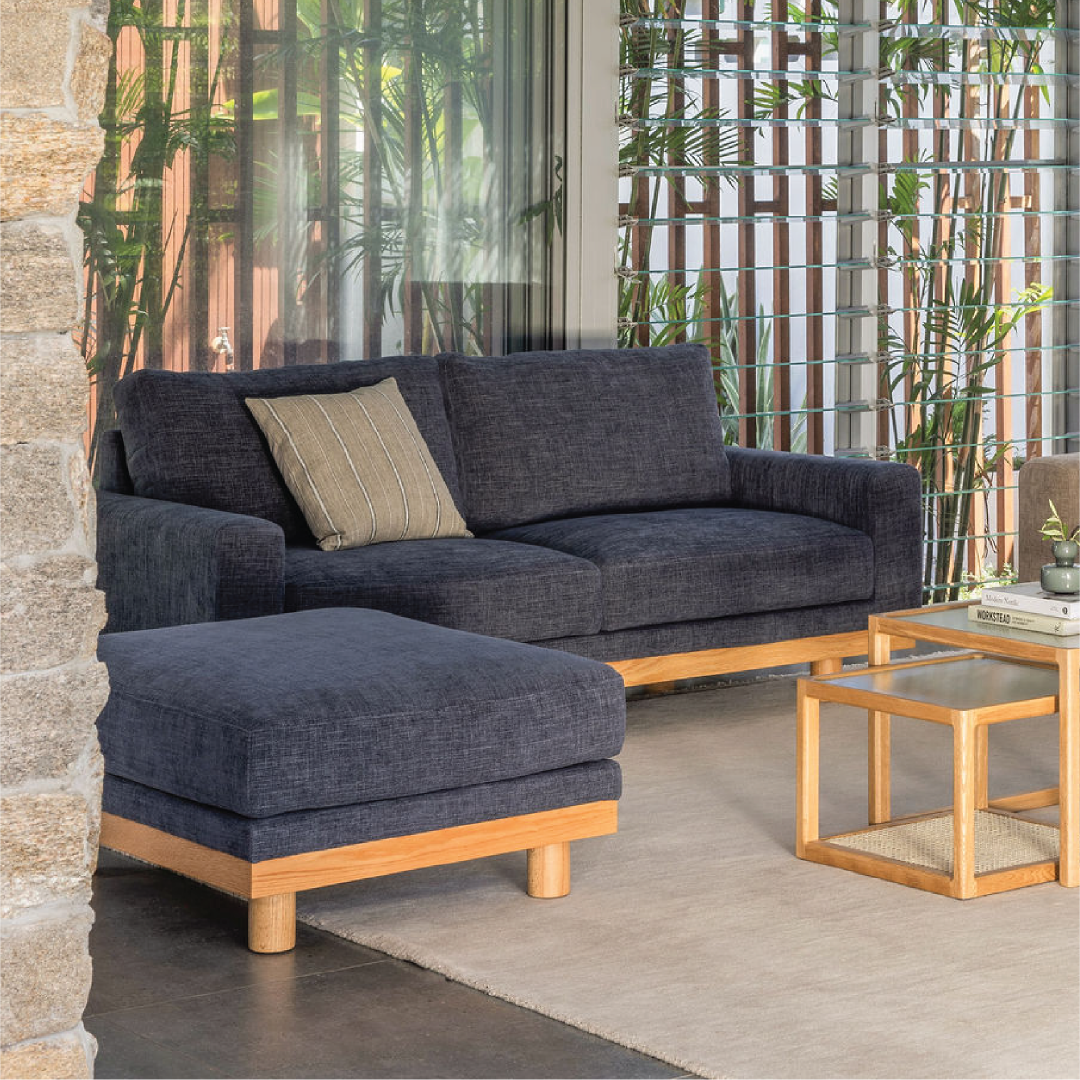
Select a sofa that’s not only comfortable, but durable and timeless. This is your ultimate modern guide.