




Fabric vs. Leather Sofas: Which is Better for Your Home?
Choosing a new sofa is an important decision, with upholstery playing a major role in the overall look, feel and practicality of a living room. While both fabric sofas and leather sofas are timeless options, each offers distinct advantages depending on how you live and use your space.
Fabric brings softness, texture and versatility, while leather offers natural character, durability and a finish that develops over time. The best choice comes down to how the sofa will be used, the style of the home and the qualities that matter most in everyday living. Both materials can create a beautiful and comfortable addition to the home; understanding their differences makes it easier to find a sofa that suits both your interior and your lifestyle.
Fabric vs. Leather Sofas at a Glance
|
|
Fabric Sofa |
Leather Sofa |
|
Appearance |
Wide range of colours, textures and finishes |
Natural grain and markings; unique hide character |
|
Feel |
Soft, tactile and varied textures |
Smooth, natural feel; becomes supple over time |
|
Care |
Regular vacuuming; fabric-specific spot cleaning |
Surface dusting; routine leather conditioning |
|
Ageing |
Maintains initial look with proper care |
Develops unique character and a natural patina |
|
Style |
Highly versatile across many design aesthetics |
Timeless; works with diverse design approaches |
|
Investment |
Broad range of price points available |
Higher investment for premium [full-grain leather sofas] |

The Main Differences Between Fabric and Leather Sofas
The choice between these materials involves more than just appearance; it influences how your furniture integrates into your daily life.
Appearance and texture
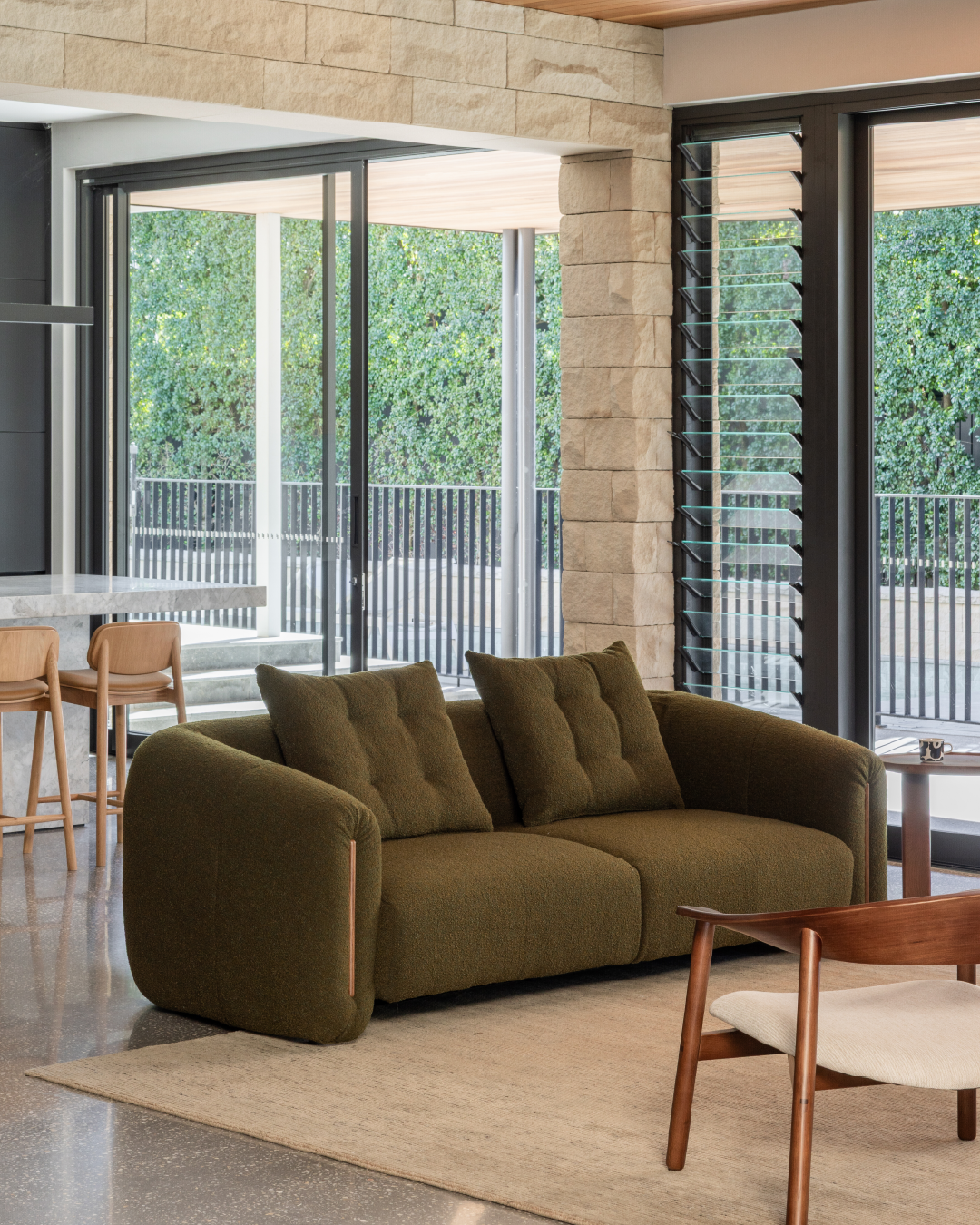
Fabric offers an extensive palette of colours, weaves and tactile finishes. Whether you choose a soft boucle, a structured linen-look or a durable woven blend, each option provides a specific aesthetic identity. Conversely, leather’s appeal lies in its organic origins. Every hide bears unique markings, grain variations and tones. Full-grain leather sofas and aniline leather sofas are particularly prized for retaining these authentic characteristics, ensuring no two pieces are identical.
Maintenance requirements
Fabric generally relies on a "clean-as-you-go" approach, benefiting from consistent vacuuming to prevent dust buildup. Leather maintenance is centred on preserving the integrity of the hide. It requires periodic conditioning using professional leather care products to ensure the material remains hydrated and supple, preventing the surface from becoming stiff.
Ageing process
A quality fabric sofa is manufactured to maintain its consistency, retaining its original colour and texture over the years. Leather is distinct in that its aesthetic evolves. Rather than showing age, top-tier hides undergo a transformation, developing a rich, unique patina that records the history of the sofa’s use.
Price factors
The cost is driven by materials and craftsmanship. Fabric sofas offer flexibility, with prices varying based on weaving complexity and fabric durability. Leather sits at a higher investment level due to the scarcity of high-quality hides, the tanning process, and the precision required to upholster with a natural, non-stretch material.
When a Fabric Sofa is the Better Choice
Fabric upholstery remains a popular choice for its approachable feel, vast design flexibility and ability to integrate into almost any living room configuration.
Softer, more relaxed comfort
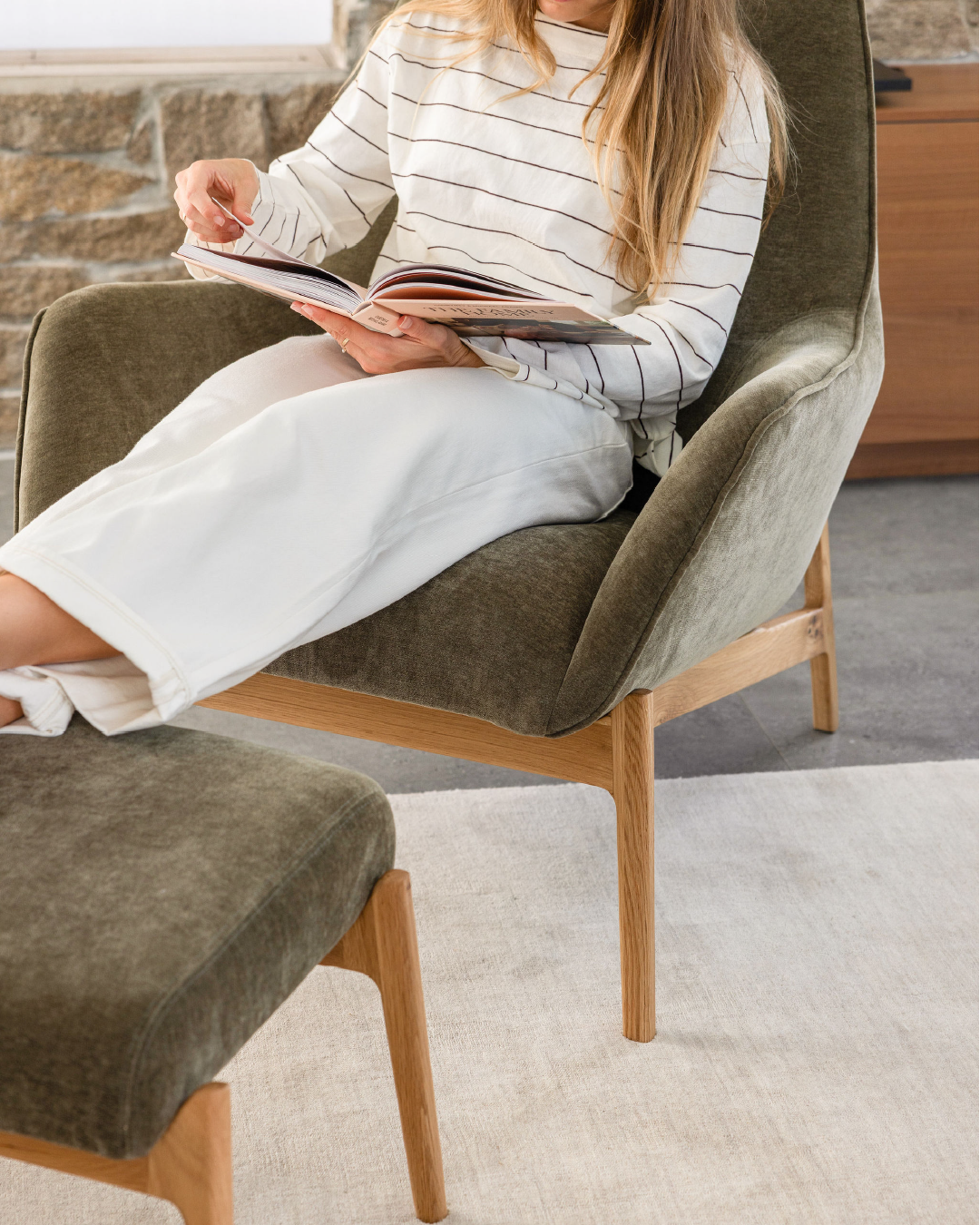
Fabric offers an immediate sense of warmth. Its inherent softness creates a welcoming atmosphere, making it ideal for rooms designed for unwinding. It pairs naturally with timber and organic decor, serving as a staple for Scandinavian, Mid-Century Modern and contemporary interiors.
More colour & texture options
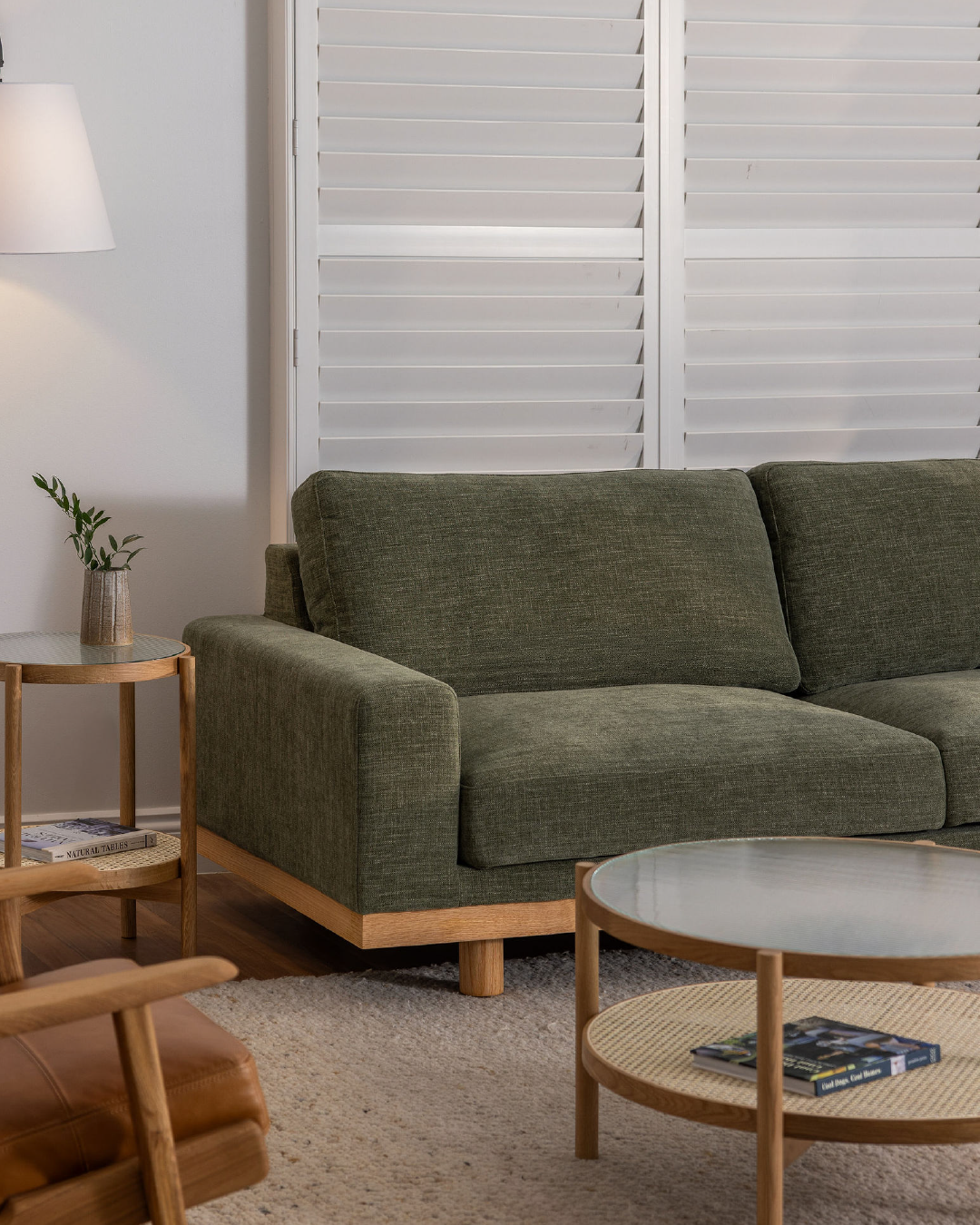
Fabric provides unparalleled creative freedom. You can select neutral tones for a minimalist base or introduce deep, saturated hues and tactile weaves to make the sofa a focal point. This variety makes coordinating with existing rugs, artwork and throws seamless.
Often more affordable
Due to the vast production methods available, fabric sofas accommodate a wide spectrum of budgets. The final price point is determined by the weave of the fabric and the complexity of the frame, allowing you to prioritise the features that matter most to your specific needs.
Easier to match different interior styles
Because fabric can be tailored to match specific design trends, it is highly adaptable. Whether you are aiming for a layered, textured look or a crisp, monochromatic aesthetic, fabric serves as a chameleon that can be updated with accessories to shift the room's mood.
Removable cushion covers for family living
Practicality is a significant advantage for many fabric models. Sofas with removable cushion covers offer a functional solution for busy households, allowing for professional cleaning or simple maintenance, which helps prolong the life of the piece in high-traffic areas.

When a Leather Sofa is the Better Choice
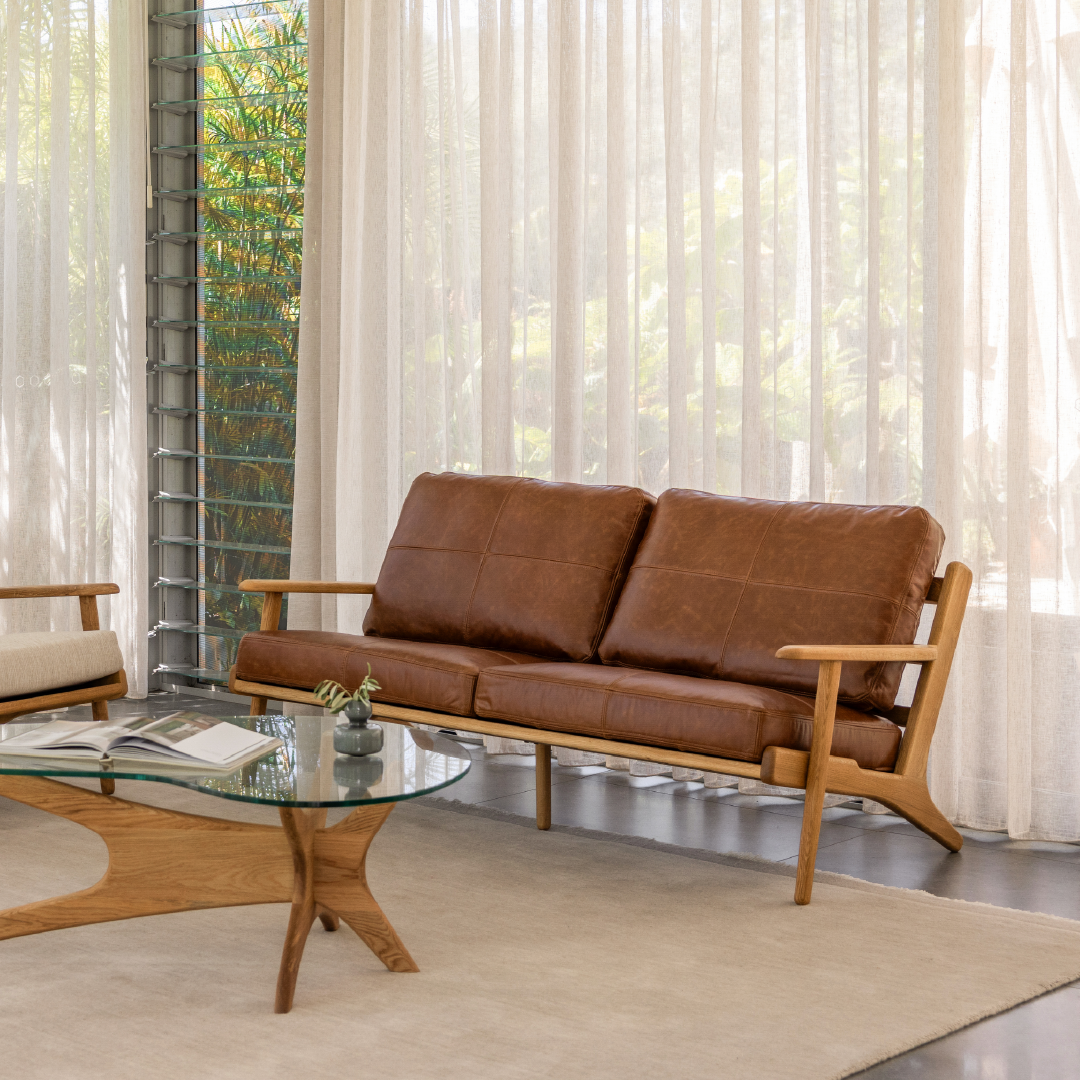
Leather brings a sense of refined permanence to a room. It is chosen by those who value authentic materials that offer a blend of tactile luxury and long-term resilience.
Ages gracefully over time
One of leather’s most defining traits is its evolution. Unlike synthetic alternatives, high-quality leather softens and becomes more comfortable with every passing year. This maturation process adds depth to the piece, ensuring it feels more integrated into your home the longer you own it.
Easy everyday cleaning
Leather’s smooth, non-porous nature is highly practical for daily use. Dust and crumbs do not settle into the material as easily as they do with fabric, and most surface marks can be wiped away quickly with a clean, dry cloth or a suitable leather cleaning product.
Long-term durability
When well-constructed, leather is exceptionally resilient. It is a robust material that withstands the rigours of daily life. However, durability is a partnership, pairing high-quality leather with a solid timber frame and superior suspension is essential to ensure the sofa remains supportive and avoids sagging.
Timeless appearance
Leather is a design classic. It possesses an understated elegance that does not follow fleeting trends. Its ability to anchor a room while complementing other natural finishes such as stone, metal or wood, makes it an investment that remains stylish for decades.

Do fabric or leather sofas last longer?
Longevity is a product of quality construction rather than just the upholstery. A well-made fabric sofa with a solid hardwood frame, high-density foam, and premium suspension can provide decades of use. Similarly, a high-quality leather sofa is naturally durable, provided it is kept away from direct heat sources and conditioned regularly with recommended leather care kits. Both materials can outlast cheaper alternatives, so look for a robust frame and superior internal components as the primary indicators of a long-term investment.
Are fabric or leather sofas easier to clean?
"Easier" is subjective based on your maintenance style. Fabric requires a routine of vacuuming and immediate attention to spills to prevent staining, though applying quality fabric protection products can significantly help repel liquids and simplify cleanup. However, many modern performance fabrics are specifically engineered to resist liquids. Leather is easier to wipe clean on a day-to-day basis, but it is susceptible to scratches and requires specific leather cleaning and protection products to maintain its condition. Both materials are manageable when you follow the manufacturer's care guidelines, so choose the material that aligns with your preferred cleaning frequency.
Are fabric or leather sofas better for pets and children?
For active households, the choice often comes down to damage management. Leather is excellent for shedding pets, as hair can be wiped away, but it can be prone to scratches from sharp claws. Alternatively, fabric offers more options for "hidden" wear. Darker colours or textured weaves can help disguise minor marks or stains. If you have children, selecting a fabric sofa with removable, machine-washable covers provides a significant practical advantage, allowing for a deep clean whenever accidents occur.
Are fabric or leather sofas more comfortable?
Comfort is deeply personal. If you prefer a "sink-in" feeling with high-loft softness, fabric is typically the better choice. If you prefer a supportive, firm, and structured sit, leather is often the recommendation. Comfort is also dictated by the sofa's depth, back support and cushion density. Regardless of the material, a high-quality cushion core, whether it be feather or foam, will have a greater impact on your comfort than the upholstery itself.
Choosing the right sofa for your home
Best sofa for families
Families often find that performance fabrics with removable covers offer excellent practicality for busy households, making it easier to manage the occasional spill or mark. Alternatively, a high-quality leather sofa is a popular choice for those wanting a resilient material that matures gracefully, standing up to the rigours of daily life while retaining its beauty. Both options offer a balance of comfort and longevity, providing a reliable foundation that adapts to the shifting dynamics of family life.
Best sofa for pets
Selecting a sofa for a pet-friendly home is often about balancing durability with ease of maintenance. Tight-weave fabrics in mid-tones are widely appreciated for their ability to resist snagging while effectively masking stray fur and everyday marks. Leather options with a protected, pigmented finish provide a more resilient surface that stands up well to light scratching from claws. Whether you choose fabric or leather, the goal is to find a piece that offers lasting comfort for your pets while retaining its appearance through the daily habits of your household.
Best sofa for apartments
Apartment living often calls for a balance between comfort and floor-plan flexibility. Slim-profile designs with raised legs are a popular way to maintain a sense of space, regardless of the room’s dimensions. While compact two-seaters or modular configurations are frequently chosen for their adaptability, there are many ways to tailor a sofa to suit your specific square footage. For more inspiration on balancing scale and comfort, you may find our guide on choosing sofas for small spaces helpful.
Best sofa for everyday lounging
When the primary focus is pure relaxation, everyday lounging sofas typically prioritise generous seat depth and sink-in comfort. A high-quality, plush fabric is often the go-to for those wanting a cosy, inviting surface perfect for long movie nights or afternoon naps. Beyond the upholstery, many people find that designs featuring softer cushion fills or a chaise enhance that feeling of total ease. It is often about finding that perfect balance where the sofa feels supportive enough for sitting, yet soft enough to truly relax into.
Best sofa for formal living rooms
Formal living rooms often benefit from pieces that ground the space with a sense of purpose and refinement. A structured, full-grain leather sofa in a classic silhouette brings an immediate air of sophistication, offering a rich focal point that pairs beautifully with other natural textures. Alternatively, tailored fabric sofas in neutral tones provide a clean, architectural quality that feels both intentional and elegant. Choosing a sofa with refined proportions and defined lines helps create a cohesive environment, ensuring the space feels polished and welcoming for guests.
FAQs
Is a leather sofa better than a fabric sofa?
Neither is objectively better; the choice depends on your specific lifestyle. Fabric sofas offer a wider array of textures, colours, and a soft, warm seating experience ideal for casual living. Leather sofas are prized for their durability, easy-to-clean surface, and the unique patina they develop over time. If you prefer cosy, tactile furniture, fabric is excellent. If you value a timeless, low-maintenance aesthetic that evolves with use, leather is the superior choice for your needs.
Which sofa lasts longer?
Longevity is determined primarily by the frame construction, suspension, and cushion quality rather than the upholstery material alone. A high-quality fabric sofa with a solid timber frame can easily outlast a poorly constructed leather piece. By comparison, a premium, well-maintained leather sofa is built to endure for decades. Both materials will provide years of enjoyment if you prioritise a high-grade internal structure over the outward appearance when making your final purchase.
Do leather sofas crack?
A quality leather sofa will not crack if it is properly maintained. Cracking is usually a symptom of the leather becoming dehydrated due to extreme heat or exposure to direct sunlight. By using a leather conditioner every six to twelve months, you keep the hide supple and flexible, preventing the surface from becoming brittle. If you avoid placing your sofa directly against a radiator or in a high-sunlight zone, your leather will remain soft and intact.
Are fabric sofas harder to clean?
Fabric is not necessarily harder to clean, but it requires a different approach than leather. Regular vacuuming is essential to remove dust and debris that can wear down fibres, and spills are best managed by blotting them immediately according to the fabric’s specific care label. Many modern options feature stain-resistant treatments that make maintenance significantly easier than in the past, and for those seeking extra peace of mind, professional services like Microseal Premium Surface Protection are a popular choice to help repel liquids and grime. If you would like to explore this added layer of security, feel free to speak to a team member about the benefits for your chosen fabric.
Which sofa is better for hot climates?
In hot climates, fabric is often preferred because it is breathable and does not get as hot to the touch as leather. Natural-fibre fabrics like cotton and linen remain comfortable even in higher temperatures. While leather can be cool to the touch initially, it can become sticky if the room is not air-conditioned. Many who still prefer the aesthetic of leather in warmer environments find that high-quality full-grain leather offers a more breathable, temperature-regulating experience, making it a comfortable choice that maintains its natural appeal throughout the seasons.
Which sofa is better for pets?
It depends on the pet's habits. For shedding pets, leather is superior because it does not trap dander or fur. If your pet is a "scratcher," a tightly woven, durable fabric is usually the better investment, as it resists claw snags. Regardless of the material, keeping pet claws trimmed is the most effective way to protect your furniture from long-term wear.
Are leather sofas worth the extra cost?
Leather is a worthwhile investment for those who appreciate natural materials that look better with age. The higher cost reflects the complexity of sourcing hides and the craftsmanship required for tailoring leather. Unlike fabric, which may need reupholstering after a decade of heavy use, a quality leather sofa can look beautiful for twenty years or more, making it cost-effective over its total lifespan.
Does a leather sofa become more comfortable over time?
Yes, leather is one of the few materials that genuinely improves with use. As the fibres in the hide are stretched and compressed through daily sitting, the leather loses its initial stiffness and becomes soft and forgiving. Combined with a high-quality foam or feather-fill cushion, a leather sofa will feel more comfortable and "broken-in" the more it is enjoyed.
Which sofa adds more value to a home?
Both can add value, but they appeal to different buyers. A high-quality leather sofa is often seen as a premium, long-term asset that suggests a well-appointed home. A designer fabric sofa can add value by creating a specific, cohesive interior design style. Ultimately, a clean, well-maintained sofa of either material that fits the room's proportions will enhance the home’s appeal.
Explore fabric and leather sofas in person
The right sofa is one that aligns with your household's flow and aesthetic. While online research is a great starting point, nothing replaces the experience of sitting on a sofa to test the depth, firmness, and texture for yourself. Browse our full sofa collection and material library online, then visit your nearest showroom to experience the quality firsthand and find the perfect match for your home.
What Others Are Reading
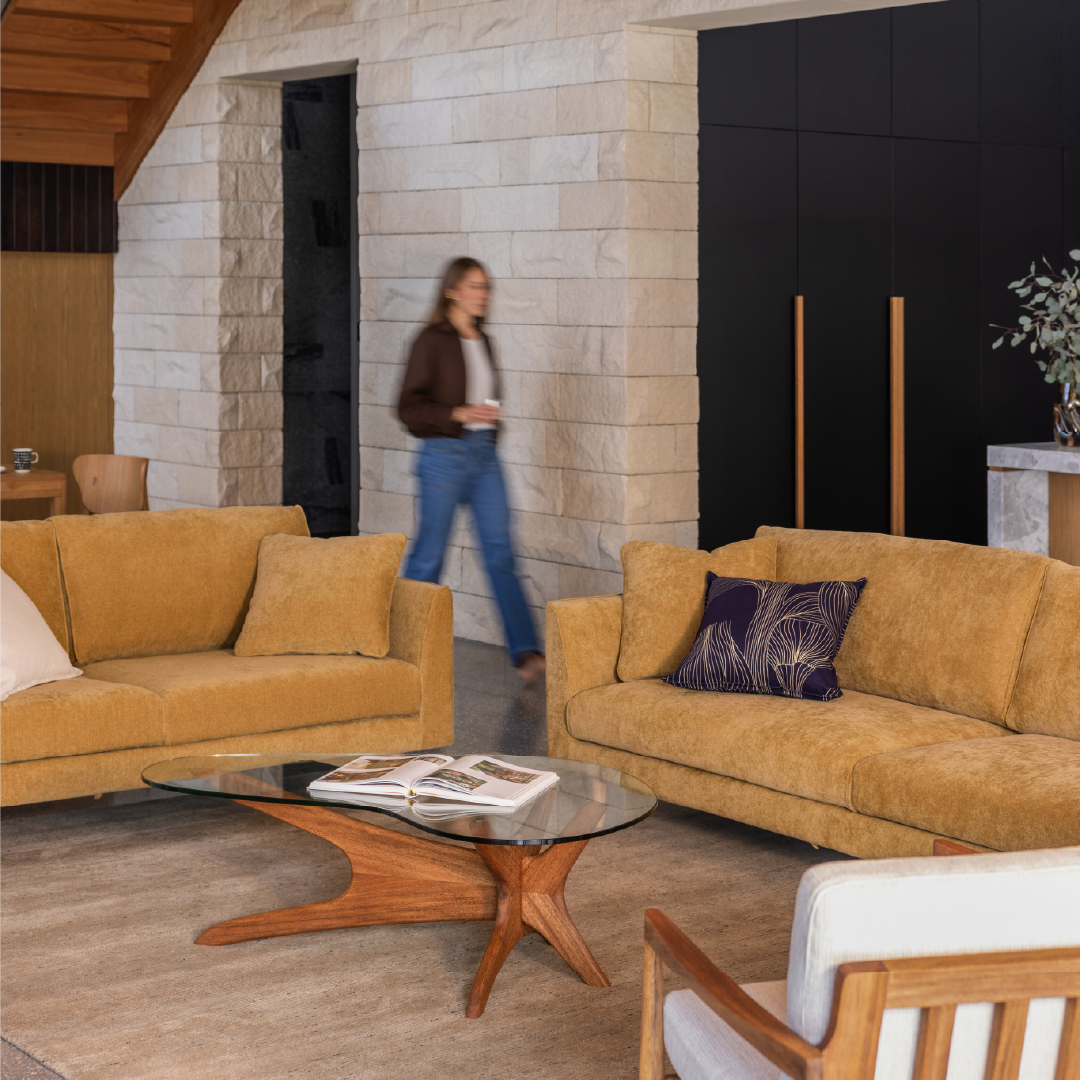
Having experienced Victoria’s coldest Winters firsthand, Jo shares her tips for creating a cosy living space.
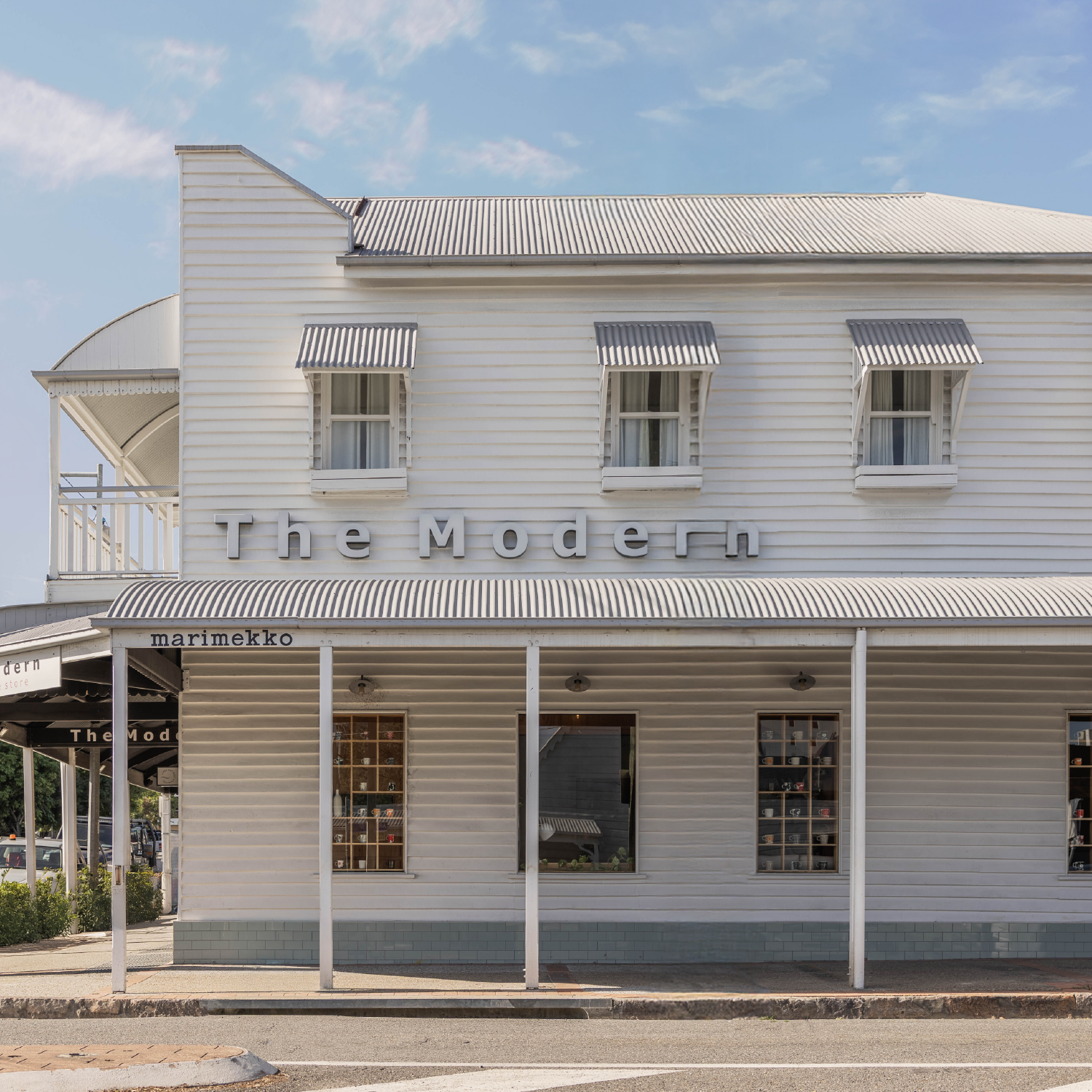
We’ve expanded our flagship showroom, making it our biggest space in Australia. Here’s what’s new.