



The Oak Dining Table Guide
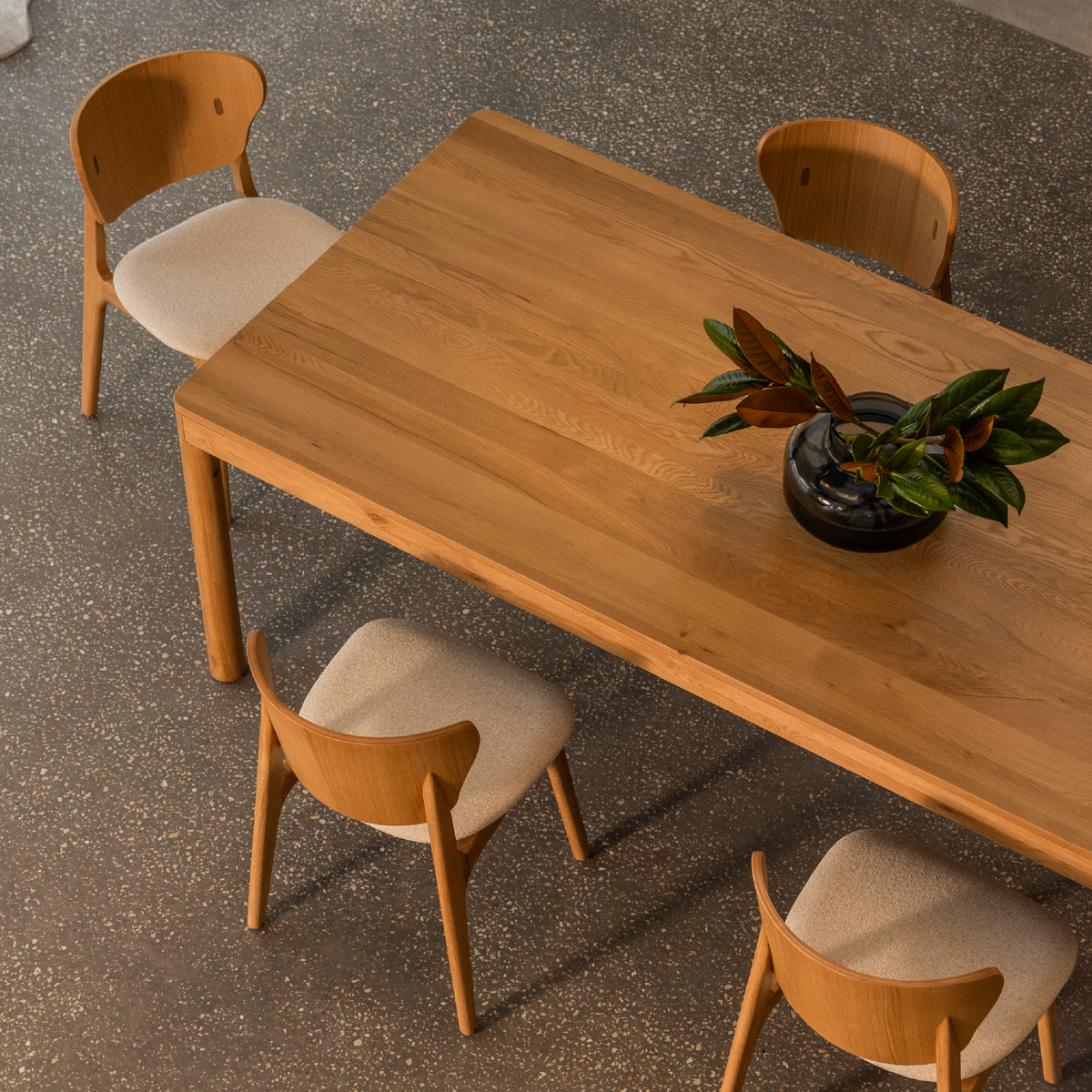
Choosing the right dining table is about more than finding a style you love. It's about selecting a piece that will support everyday meals, family celebrations and everything in between for years to come. That is why oak dining tables have remained a timeless favourite.
For generations, furniture makers have turned to oak for its distinctive grain, exceptional strength and enduring character. Rather than relying on passing trends, its appeal lies in thoughtful craftsmanship and the natural beauty and variation that only timber can provide.
An oak dining table has a remarkable ability to suit changing homes and interior styles. Whether you're furnishing a compact apartment, looking for a round dining table to maximise a smaller space, or choosing an extendable design for larger gatherings, oak offers versatility without compromising on warmth or longevity.
Of course, the timber is only part of the story. Construction, proportions, finishes and design details all play an important role in how a dining table looks, feels and performs in your home.
In this guide, we'll explore what makes a quality oak dining table, the difference between solid timber and timber veneer, how to choose the right size and shape for your space, and the key considerations to help you invest in a dining table you'll enjoy for years to come.
Why oak is one of the most popular dining table timbers
Oak is one of the most popular timbers for dining tables because it combines exceptional durability with timeless natural beauty.
A dining table is one of the hardest-working pieces of furniture in the home, used for everything from everyday family meals to celebrations, work, and entertaining. Oak has earned its reputation because it is strong, stable and made to withstand decades of daily use. With quality craftsmanship and proper care, an oak dining table can be enjoyed for generations.
Its longevity is matched by a character that is unique to every piece. Look closely at an oak dining table and you'll notice that no two are exactly alike. Grain patterns vary from board to board, colour shifts subtly across the surface, and the natural markings of the timber become part of its story. Rather than imperfections, these variations are what give each table its individual character.
Oak also has a versatility that allows it to complement a wide range of interior styles. Lighter finishes feel at home in Scandinavian-inspired spaces, while richer tones pair beautifully with the warmth and clean lines of Mid-Century Modern interiors.
The timber also works effortlessly alongside other natural materials. Whether paired with timber dining chairs, upholstered seating, leather, stone or metal accents, oak provides a warm, understated foundation that allows the rest of the space to feel cohesive.
Perhaps the greatest appeal of oak is its honesty. It doesn't rely on ornate detailing or passing trends to make an impression. Instead, its enduring appeal comes from the timber itself, brought to life through thoughtful craftsmanship and timeless design.

Solid oak vs. oak veneer: what’s the difference?
The difference between solid oak and oak veneer is how the furniture is constructed. Solid oak is made from solid pieces of oak throughout its primary structure, while oak veneer features a thin layer of real oak bonded to an engineered timber core.
It's one of the most common questions people ask when choosing timber furniture, and for good reason. Although the two construction methods are often compared, both use real oak and each offers its own advantages depending on the design and intended use.
A solid oak dining table is crafted using real oak throughout its primary structure. Every board carries its own grain, colour variation and natural characteristics, meaning no two tables are exactly alike. These variations are part of the appeal, giving each piece a unique character that only natural timber can provide.
Oak veneer takes a different approach. A thin layer of genuine oak is carefully bonded to a stable engineered timber core. Far from being a modern shortcut, veneer has been used by skilled furniture makers for generations, allowing for greater design flexibility while showcasing the natural beauty of oak. For example, the Arna Curve Extendable Dining Table combines solid oak legs with an oak veneer top which allows for extendable leaves to glide underneath with ease.
Neither construction method is inherently better than the other.
The quality of a dining table ultimately comes down to the materials used, the craftsmanship behind its construction and the integrity of its design. A thoughtfully made veneer table will often outperform a poorly constructed solid timber table, which is why it's important to look beyond the label and consider how the piece has been built as a whole.
If you'd like to explore the topic in more detail, read our journal, Solid Timber vs Veneer where we take a closer look at how each construction method is made and where each performs best.
What makes a quality oak dining table?
A quality oak dining table is about more than the timber itself. The way the piece is made plays an equally important role in how it looks, feels and performs over time.
Solid timber selection
The selection of wood influences the final appearance of the dining table. Quality oak highlights the grain and features of the wood while creating a surface with depth and variation.
Unlike manufactured materials where consistency is often the goal, real timber is valued for its individuality. Subtle differences in tone and grain are what make each table unique.
Joinery and construction
The way a table is built has a significant impact on its stability and longevity.
Strong joinery creates secure connections between the different components of the table. Details such as how the legs attach, the support structure underneath the tabletop and the overall balance of the design all contribute to a table that feels solid and balanced.
Good craftsmanship is often found in the details that are not immediately obvious. The quality of the construction underneath the surface is just as important as the appearance from above.
Tabletop thickness and proportions
The thickness of the tabletop influences the overall appearance of a dining table.
A thicker tabletop can create a more substantial look, often suited to larger dining areas or interiors where timber is a strong feature. A slimmer profile can create a lighter look that works well in more compact areas.
The relationship between the tabletop, legs and overall dimensions is what creates balance. Good proportions allow a table to sit comfortably within a room without overwhelming the surrounding furniture.
The finish
The finish applied to oak plays an important role in how the timber looks, feels and ages over time.
|
Finish Type |
Appearance & Feel |
Maintenance & Protection |
|
Natural Oil |
Keeps the wood looking raw; soaks into timber so you can feel the real grain |
Easy to refresh over time; lets wood age cleanly |
|
Clear Lacquer |
Creates a smooth, clear protective seal over the timber surface |
Higher resistance to marks and spills; less of the tactile wood texture |
Most of The Modern’s oak pieces feature an oil finish, which is particularly suited to solid timber furniture. Rather than creating a thick layer over the surface, oil absorbs into the timber, allowing the grain, texture and variation of the oak to stay visible. It can also be refreshed over time, helping preserve the look and feel of the timber as it ages.
A lacquer finish works differently by creating a protective seal over the timber. This can offer greater resistance to marks and spills, but it creates a smoother surface where less of the real texture of the wood is felt underhand.
Neither finish is better than the other. They simply create a different look and feel. An oil finish keeps the timber looking raw, while lacquer provides a more protective surface.
For dining furniture, where the beauty of the timber is often a key part of the design, an oil finish allows the oak grain and variation to remain the main feature.
Stability
A dining table should feel sturdy and steady when it is being used. While the quality of the construction plays an important role, stability also comes down to the overall balance and proportions of the design.
The relationship between the tabletop and base, the weight of the timber, and the placement of the legs all influence how the table feels when you sit around it. A well-balanced design allows people to move comfortably, sit naturally and enjoy the table without it feeling too heavy or restrictive within the room.
This is often something noticed instinctively. A table can look good from a distance, but when you sit down, place your hands on the surface or move around it, the sense of balance becomes just as important as the appearance.
How to choose the right oak dining table size
Finding the right size dining table is about creating a comfortable layout between the table and the room around it.
A beautifully designed table can still feel out of place if the proportions are not right for the room. The aim is to allow enough room for chairs, movement and the natural flow of the house.
Key Spacing Guidelines:
-
Clearance around table: Allow approximately 90cm to 100cm of clearance for comfortable movement.
-
Table space per person: Allow around 60cm to 70cm of width per person for comfortable seating.
-
High-traffic walkways: Consider additional space behind chairs if the dining area sits near walkways, kitchen islands or other furniture.
The shape of the room can also influence the best choice. A round oak dining table can work brilliantly in smaller apartments or dining areas where easy movement is important. Without corners, the layout feels more open and people can move past the table more easily.
Rectangular tables often suit longer rooms or open-plan layouts where there is more floor space available. They also provide a traditional dining setup with plenty of room for larger gatherings.
It is also worth considering how the table will be used day to day. A smaller table may be ideal for daily meals, while an extendable dining table provides the option to add extra seating when family or friends come over.
Learn more about how much space to leave between furniture here.
Is a round or rectangular oak dining table better?
Both round and rectangular dining tables have their own advantages, and the right choice often comes down to the room, the layout and the way the table will be used.

Round oak dining tables
Round oak dining tables are best for apartments, compact dining areas, square rooms, and easy conversation.
A round oak dining table creates a relaxed dining setting. Without corners, everyone sits facing each other, making conversation easy and helping the table work well for smaller groups.
The curved shape is also a practical choice for apartments and compact dining areas. Because there are no sharp corners, walking around the table is easier, particularly in rooms where space is tight.
A round wood dining table also brings a softer shape into a room, which contrasts nicely with straight walls, modern kitchens and timber floors.
Rectangular oak dining tables
Rectangular oak dining tables are best for open-plan areas, dedicated dining rooms, hosting guests, and larger families.
A rectangular oak dining table remains a classic choice and suits many Australian homes.
The longer shape works well in larger dining areas, open-plan homes and rooms where the table needs to seat more people. It provides clear seating positions and offers plenty of surface space for shared meals, serving boards or centrepieces.
Rectangular designs are also where you will find the widest range of extendable dining tables, making them a popular choice for homes that need extra seating without keeping a massive table set up all the time.
Is an extendable or fixed oak dining table better?
The choice between a fixed and extendable dining table comes down to the room, your available floor space and how you plan to use the table.
Fixed oak dining tables are best for clean lines and a set number of seats day to day.
A fixed oak dining table offers a simple, continuous design. The proportions stay the same, giving the dining room a grounded, tidy look. When the table size already suits your room and daily needs, a fixed design is a great choice.
Extendable oak dining tables are best for growing families, hosting dinners, and saving floor space.
An extendable timber dining table combines the look of timber with the flexibility to suit everyday life. It lets you keep the table neat and compact during the week, while giving you extra seating when guests arrive. A well-designed extension mechanism is easy to use and keeps the table sturdy whether extended or closed.
Neither is better than the other - they simply suit different rooms and requirements. The right choice is the dining table that works with the way you live.

How to select a matching oak dining chair
Choosing the right dining chairs is about finding comfortable seating that matches the style and size of your table.
Check seat height first. Generally, leave 25cm to 30cm between the top of the dining chair seat and the underside of the table. This leaves plenty of legroom without making you feel too low or too high at the table.
Scale matters too. A lighter oak dining table with thin legs pairs best with chairs that have a slimmer frame, while a heavier timber table can easily handle bigger, broader chairs.
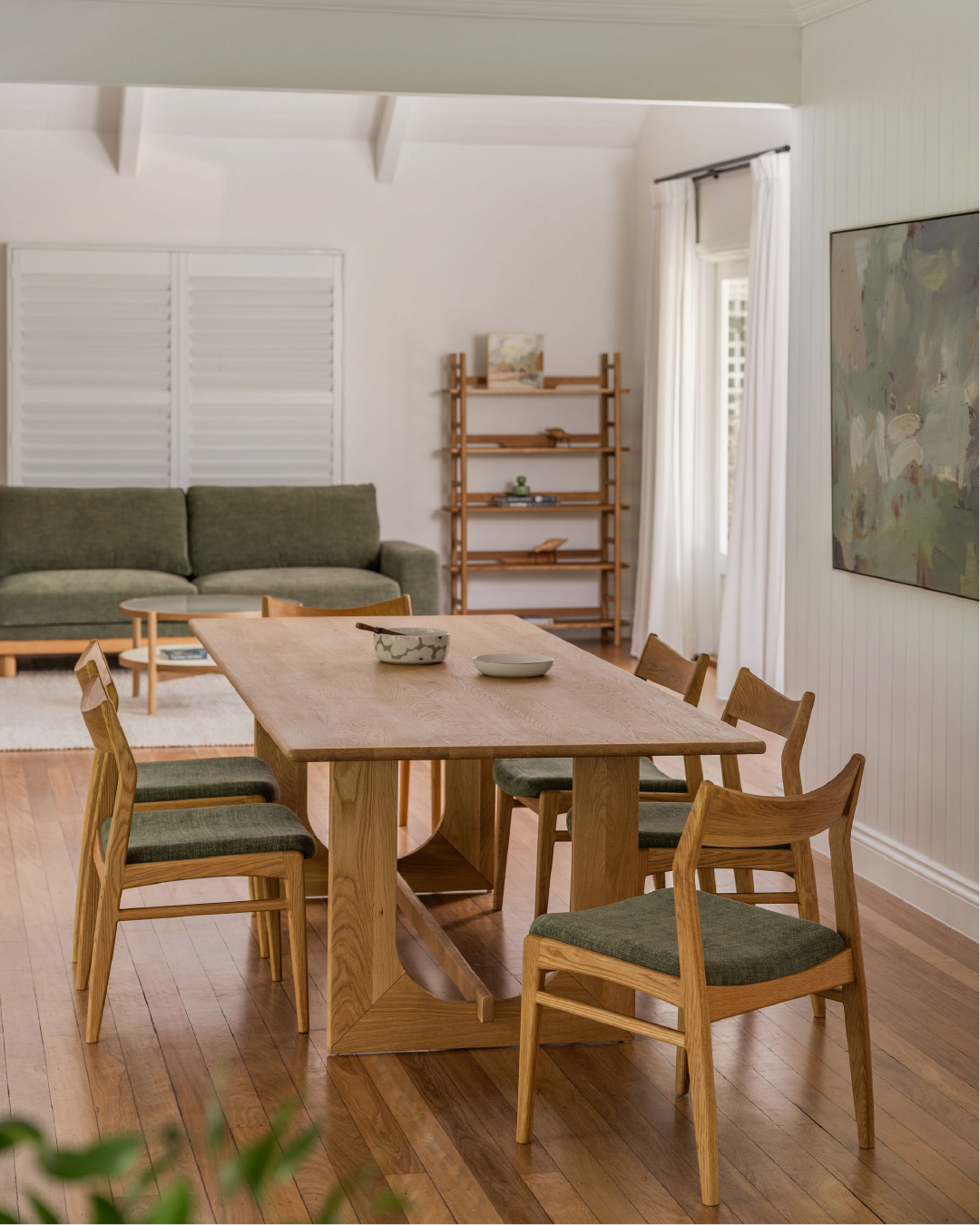
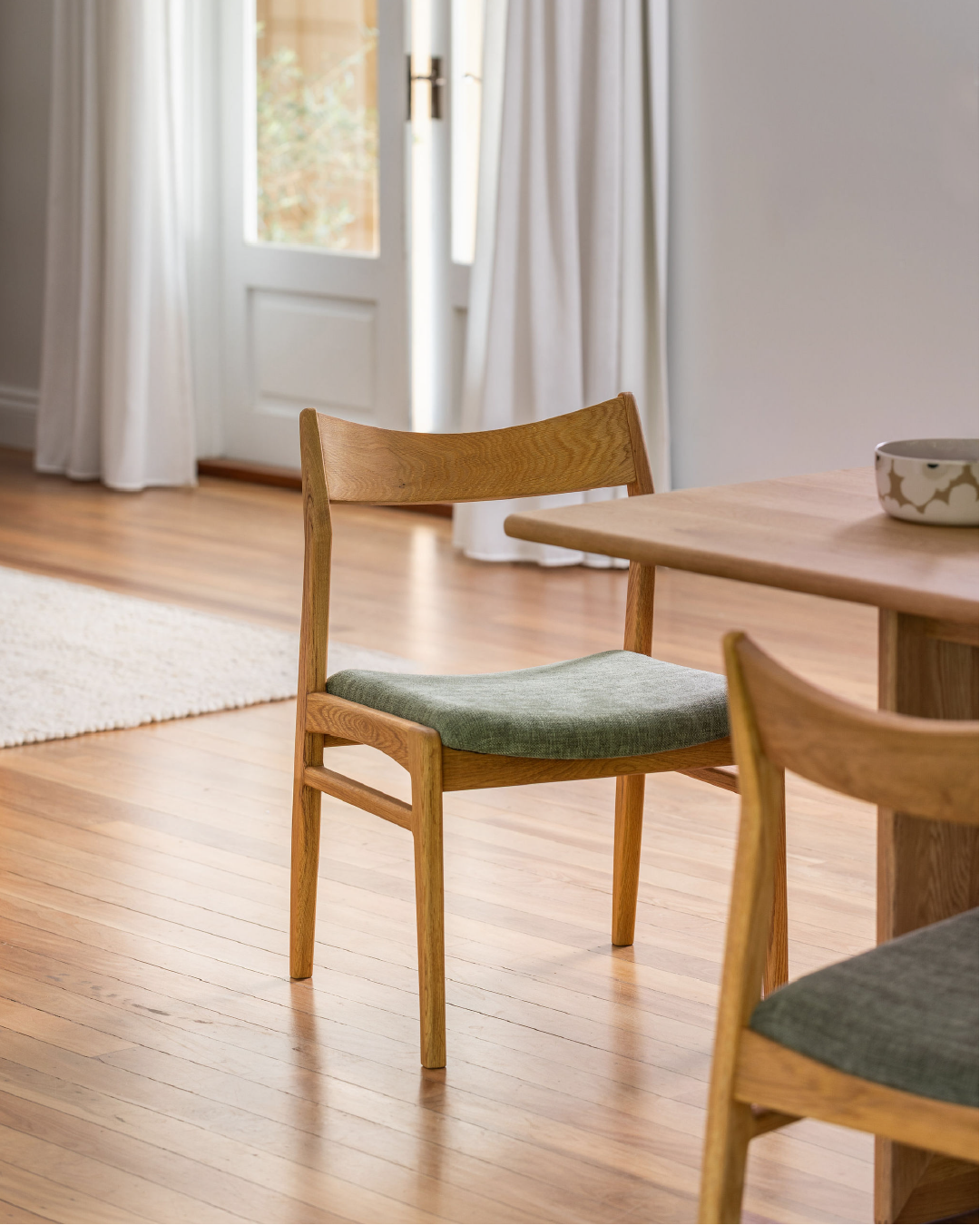
Matching timber with timber is always a safe, classic choice. Oak dining chairs paired with an oak dining table create a clean look where the timber tones and grain work together.
Mixing materials works just as well. Upholstered dining chairs soften the look of a solid wood table, while leather dining chairs add a nice texture and a relaxed feel.
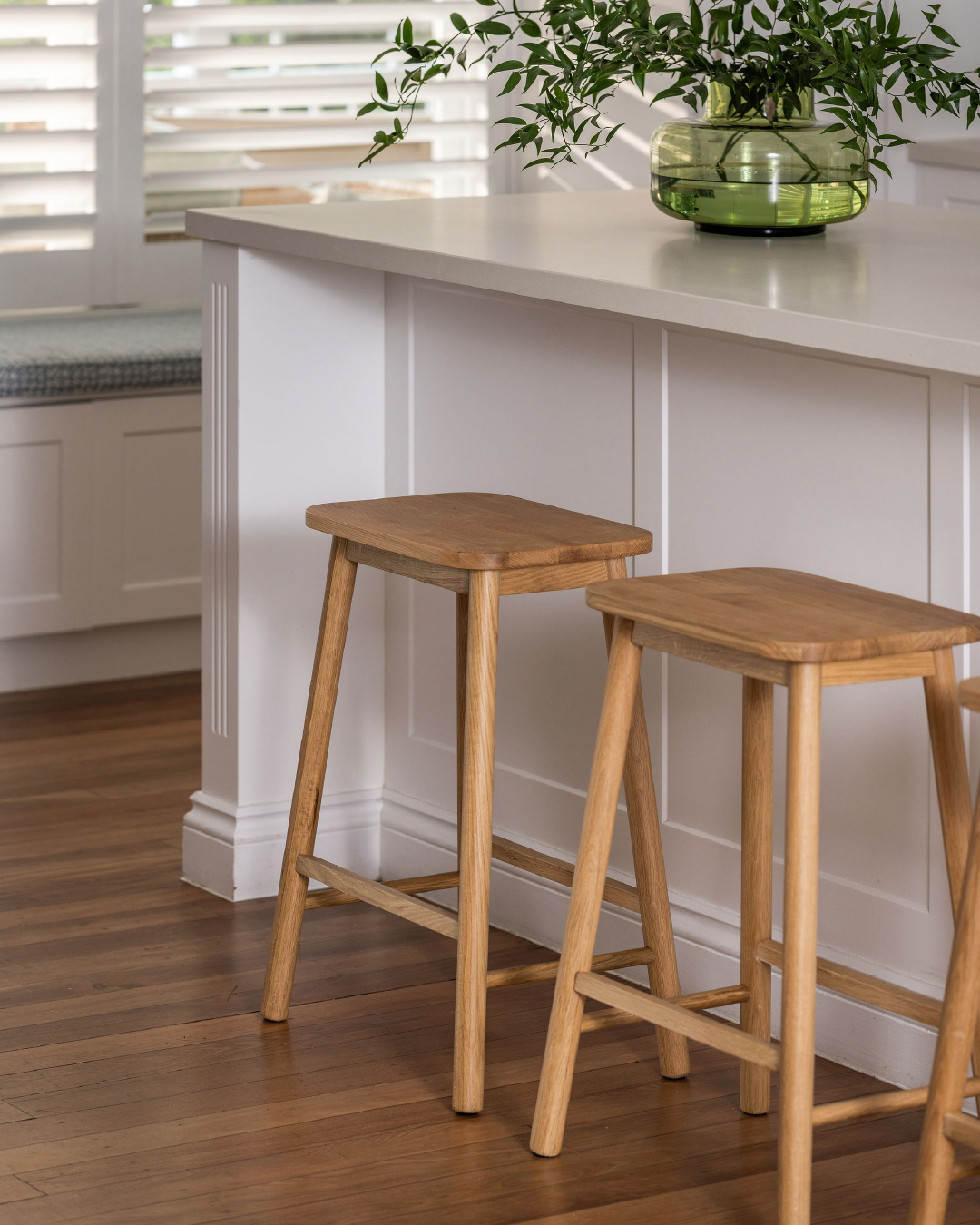
The same rule applies when selecting kitchen stools. In open-plan homes, choosing stools that share a similar timber tone, leg shape or fabric with your dining chairs helps connect the kitchen and dining areas together.

How to style an oak dining table
The best way to style an oak dining table is to keep the look simple and let the natural beauty of the timber remain the focal point. Layer in complementary pieces that add warmth, texture and function without overwhelming the grain.
Because oak already has plenty of character, styling is often about restraint rather than adding more. A few thoughtfully chosen pieces will create a welcoming dining space while allowing the craftsmanship and natural variation of the timber to shine.
A rug is one of the easiest ways to define a dining area, particularly in open-plan homes. Choosing the right size helps anchor the dining setting, creating a sense of balance while keeping the table and chairs visually connected.
As a general guide, choose a rug that extends beyond the table far enough for the chair legs to remain on the rug when pulled out. For more guidance, read our journal, How to Choose the Right Rug for Your Dining Table.
Lighting also plays an important role. A pendant light centred above the table helps define the dining zone, creates an inviting atmosphere and provides practical task lighting for everyday meals and entertaining. For the most balanced look, choose a pendant that is proportionate to the size of your dining table.
Keep tabletop styling understated. A ceramic vase, decorative bowl, fresh flowers or greenery will add interest without distracting from the natural beauty of the oak.
If you have the space, a sideboard is a practical finishing touch. Alongside valuable storage for dinnerware, glassware and entertaining essentials, it provides another surface for displaying artwork, lighting or decorative objects that complement your dining setting.

How to care for an oak dining table
Caring for an oak dining table is simple. Regular cleaning, protection from excessive heat and moisture, and occasional maintenance with the right timber care products will help preserve its natural beauty for years to come.
One of oak's greatest strengths is its durability and the way it ages gracefully. Over time, the timber naturally develops a richer tone and deeper character, making each dining table increasingly unique with age.
For everyday care, dust the surface regularly with a soft, dry cloth and wipe away spills using a slightly damp cloth. Avoid harsh spray cleaners, abrasive scourers or chemicals that can damage or strip the protective finish.
It's also worth protecting the surface from excessive heat and standing moisture. Oiled timber doesn't have the thick protective coating of lacquered finishes, so hot cookware, wet glasses and spills left unattended can mark the surface. Using placemats, trivets and coasters is a simple way to help preserve the finish during everyday use.
To maintain an oiled finish, we recommend using Livos Australia timber care products. Designed specifically for oiled timber, they help nourish, protect and refresh the finish, keeping your dining table looking its best over time.
If your dining table is positioned in direct sunlight, the timber will naturally become warmer in tone as it ages. Rotating table runners, centrepieces and decorative objects occasionally allows the surface to age more evenly, resulting in a consistent, natural patina.
Frequently asked questions
Is oak a good wood for a dining table?
Yes, oak is a brilliant timber for a dining table. It is a strong, dense hardwood that copes well with daily family life. Its versatile grain suits almost any home style, and it lasts for decades without going out of fashion.
Does oak furniture scratch easily?
Oak is a tough hardwood that handles daily use well, but like any timber, it can get minor marks over time. If your table has an oiled finish, small scratches can easily be buffed out and re-oiled at home. Lacquered finishes offer slightly more initial protection against liquids and light scratches.
Does oak furniture darken over time?
Yes, oak naturally changes tone as it ages. Exposure to day-to-day sunlight gently deepens the wood, giving the timber a warmer tone over time.
How long will an oak dining table last?
A well-made oak dining table can easily last for generations. Thanks to solid hardwoods, strong joinery and finishes that can be refreshed, an oak table is built for long-term everyday use.
Explore Mid-Century oak dining tables in person
An oak dining table is a practical piece that becomes part of everyday life in your home.
From finding the right shape and size to picking comfortable chairs and taking care of the timber, getting the details right means you end up with a dining setup you'll enjoy using every day.
Nothing beats seeing timber furniture in person. Seeing the grain up close and testing out chair heights makes choosing the right piece much easier.
Explore our range of Mid-Century inspired oak dining tables online or visit your nearest showroom to check out the finishes, test sizes and see the quality for yourself.
What Others Are Reading
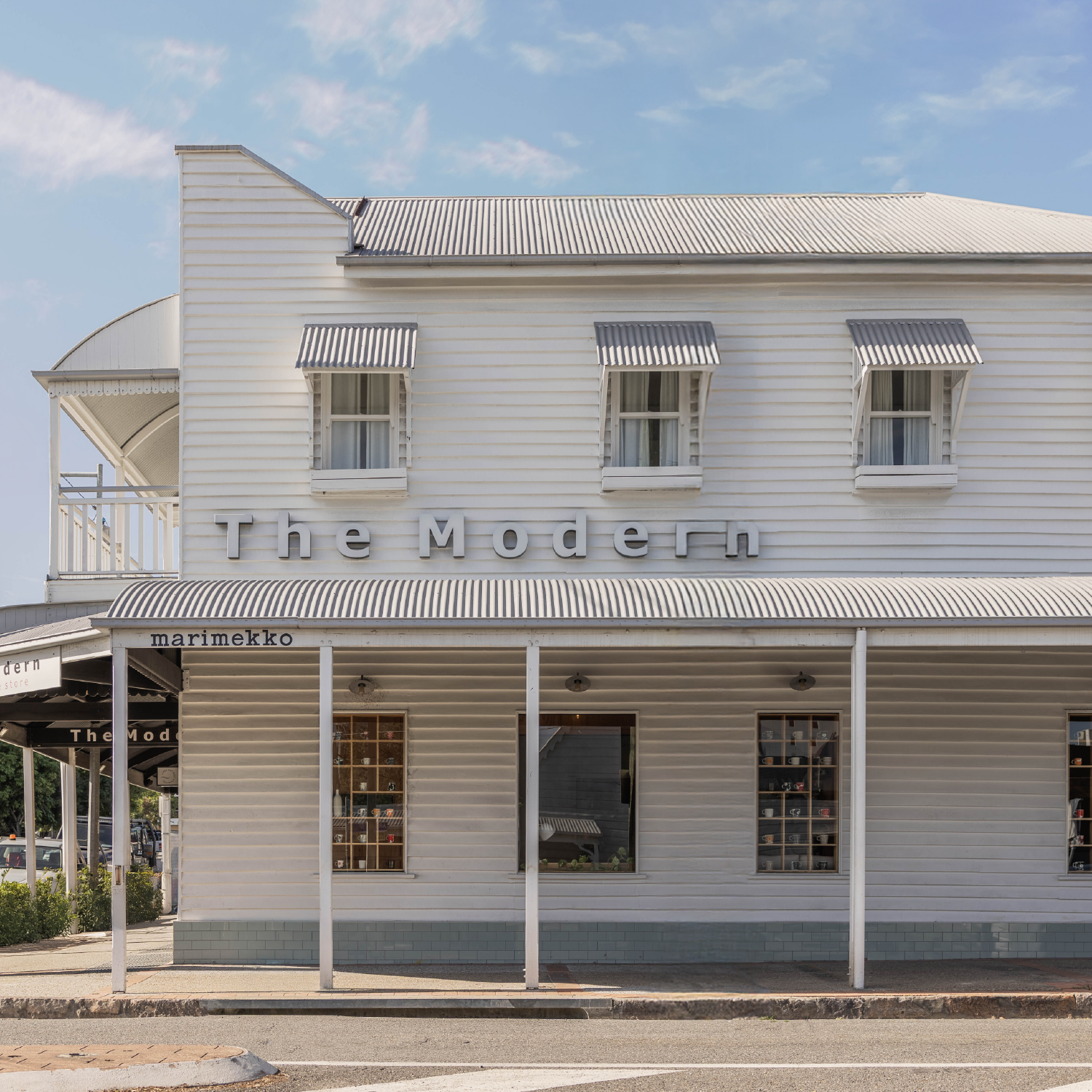
We’ve expanded our flagship showroom, making it our biggest space in Australia. Here’s what’s new.
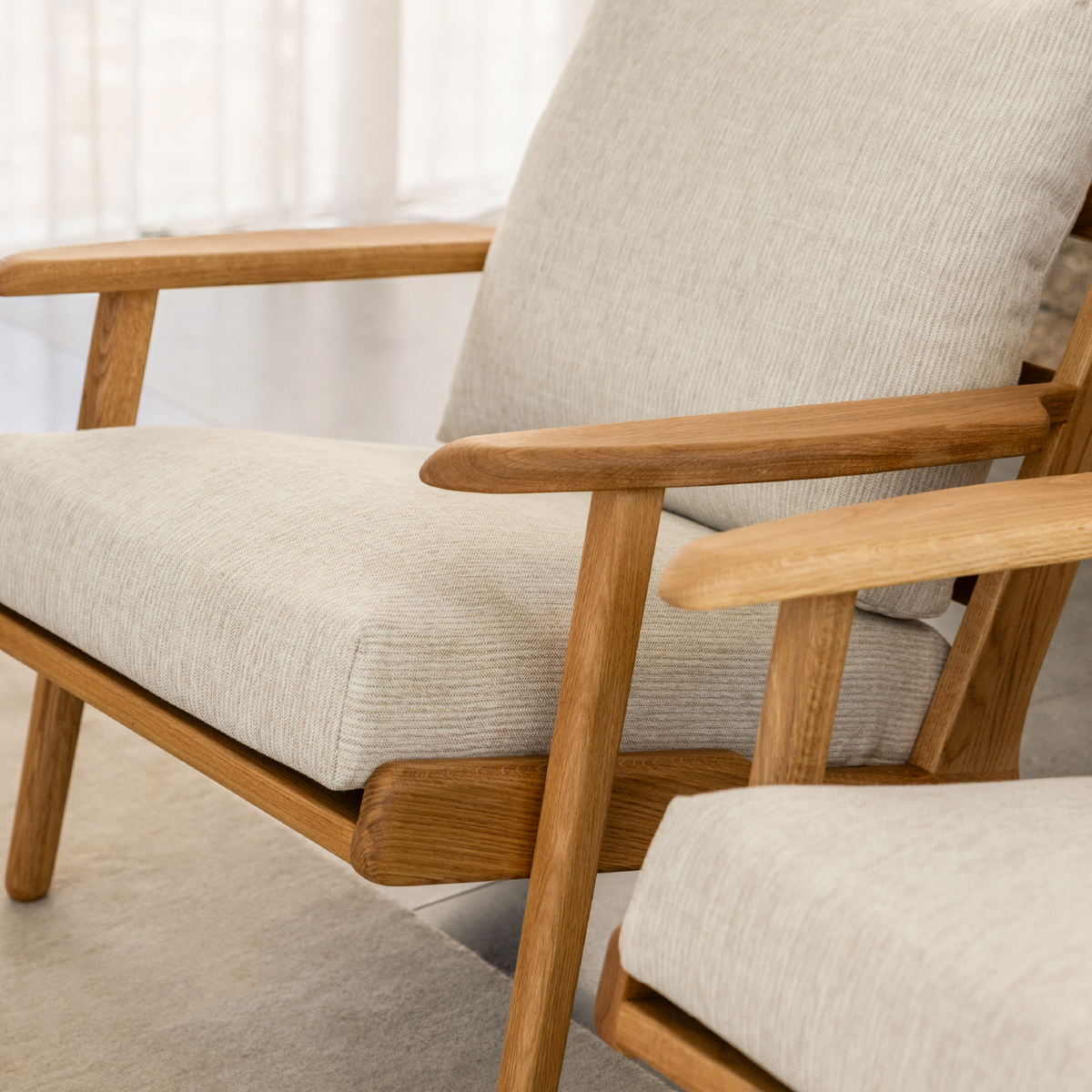
What is a Martindale rating? How important is pilling resistance? Here’s how to choose furniture fabrics that balance longevity and comfort.