



6 Mid-Century Dining Chairs Styled at Home

Why are Mid-Century dining chairs timeless, so many years on from the 50s?
It comes down to simplicity. Clean lines and thoughtful details make them easy to live with, while different timber tones, upholstery, and shapes give each chair its own character.
A Mid-Century dining chair doesn’t need to match the table, either. Mixing timber tones, adding a little colour or introducing leather and woven textures can create a dining space that feels intentionally curated rather than matched.
What does this look like?
Here are six Mid-Century dining chairs styled in different Australian homes, each showing a unique take on the look and how the chair can shape the feel of a dining space.
Metsa 01 Oak Dining Chair
A quintessential Mid-Century dining look
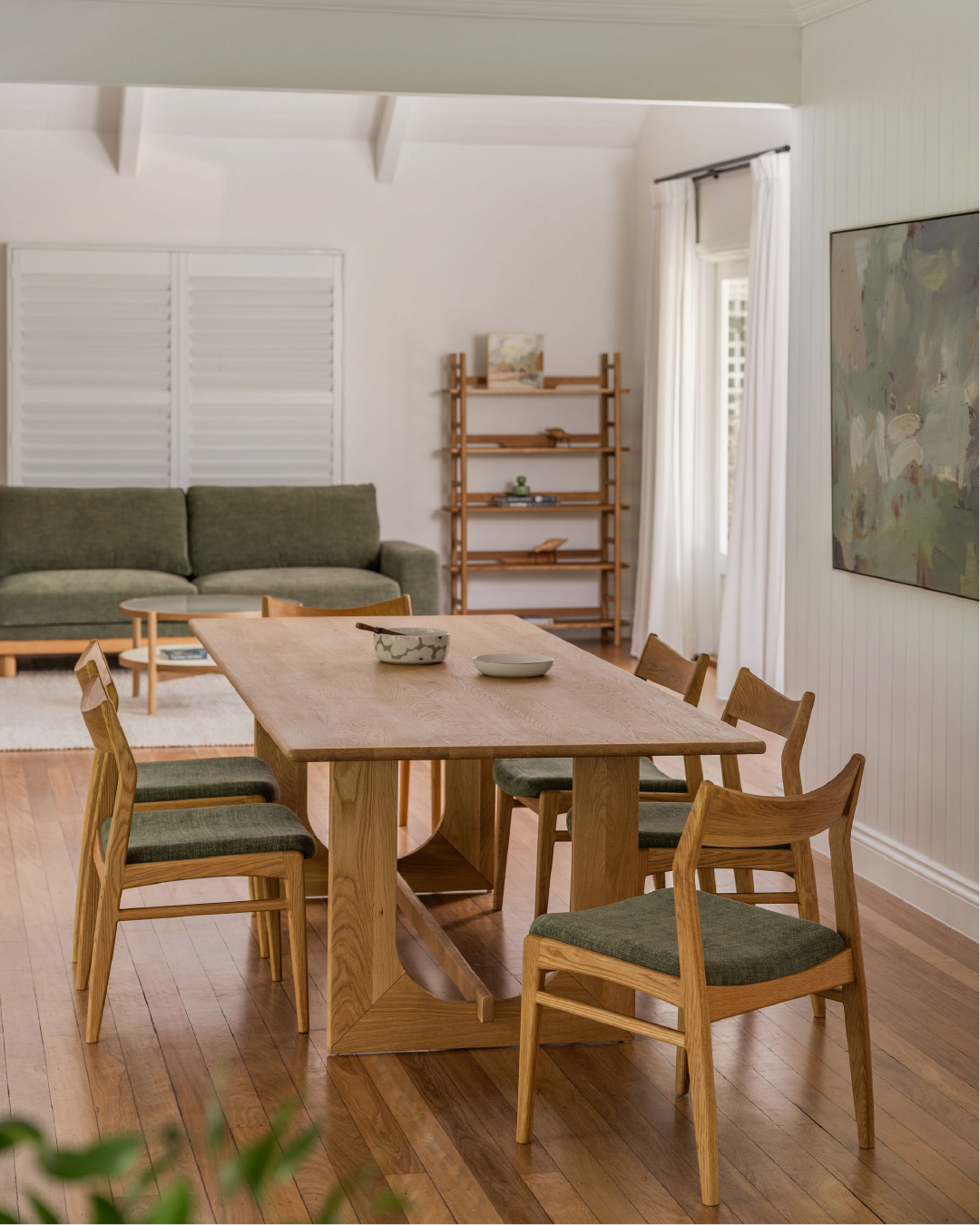
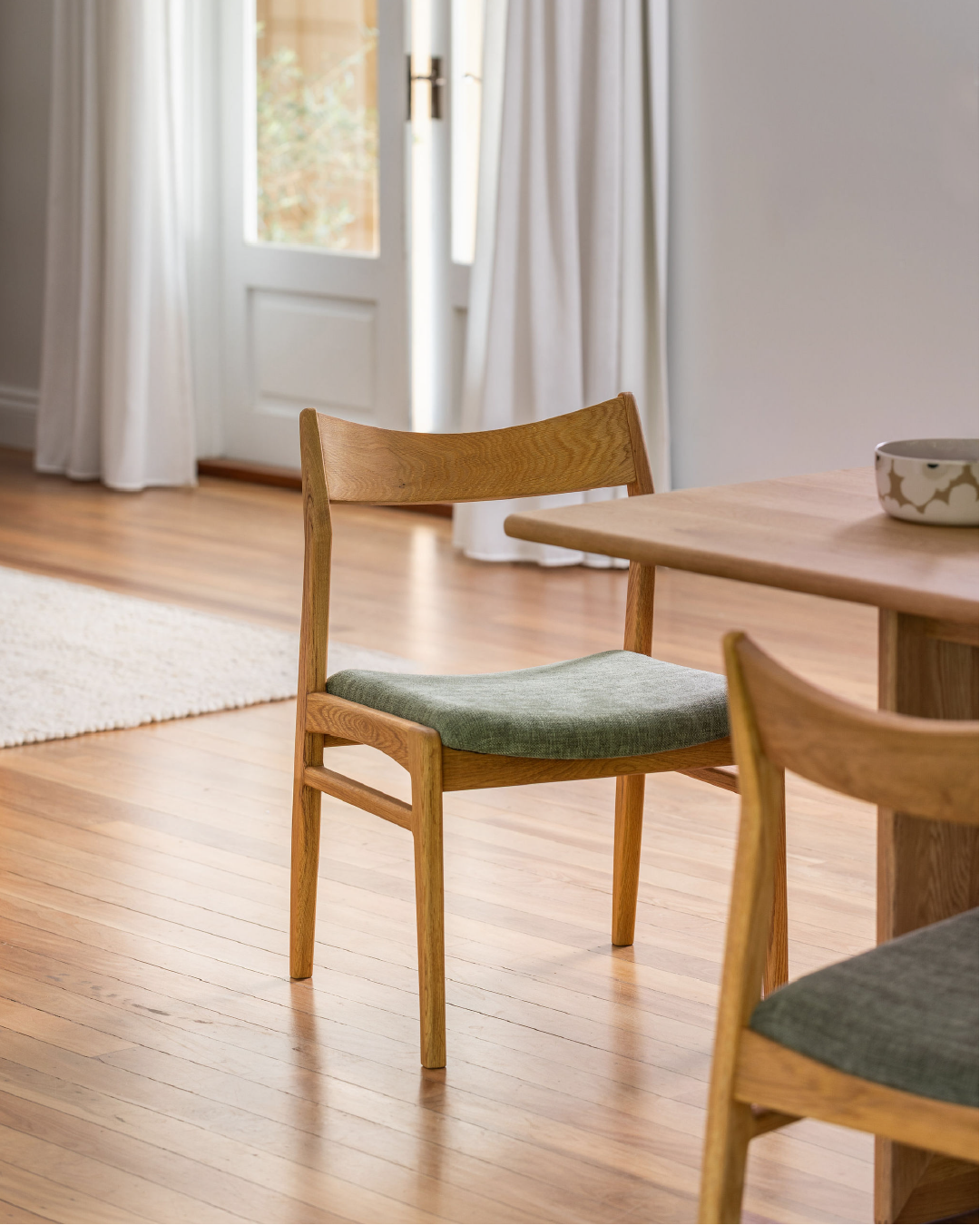
The Metsa 01 Dining Chair brings a warm, relaxed feel to this Queenslander dining space. Its earthy Clover upholstery sits beautifully against the golden tones of the oak, while the curved backrest adds a softer shape to the room.
Paired with the solid oak Arke Dining Table, the matching timber creates a sense of cohesion without making everything feel too coordinated. The result is a dining area that feels warm and considered, but not too matchy-matchy.
With its slim profile, the Metsa 01 also leaves plenty of breathing room around the table. Here, six or eight chairs create a generous setting without overwhelming the open-plan space commonly found in Queenslander homes.

Metsa 02 Timber Dining Chair
A softer, coastal dining look
The Metsa 02 Dining Chair brings a softer, more relaxed feel to this coastal dining space. The warm Chai upholstery sits naturally against the pale oak frame, and the gently curved back echoes the rounded shape of the Arna Curved Extendable Dining Table.
Together, the natural timber, soft upholstery, and curved forms create a dining area that feels inviting and coordinated without feeling overly formal. The connection to the garden beyond adds to its relaxed atmosphere which is often found in coastal interiors.
It’s a space that’s made for lingering, especially with the Metsa 02 Dining Chair’s padded seat and supportive back. To create a similar coastal feel, keep the palette light and natural by layering pale timber, soft upholstery, and relaxed, curved forms.

Forest 03 Leather Dining Chair
A contemporary dining look
Leather dining chairs bring a richer feel to this inner-city dining space. The Forest 03 Dining Chair combines a Cognac full-grain leather seat and a tapered, open-backed frame to add warmth and space to the room, ensuring the in-built bench seating shines too.
Pairing the solid oak Arke Dining Table with leather dining chairs and built-in seating give this dining space a contemporary feel, with a strong connection to natural materials. It’s a look that works particularly well in homes with timber joinery and earthy finishes, where you want the dining space to feel connected to the rest of the home.
You can bring a similar feeling into your own space without matching every element. Start with a timber dining table, add leather dining chairs for depth, then layer in softer furnishings and natural textures to keep the room feeling inviting.

Fika Dining Chair
An earthy, architectural dining look
The Fika Dining Chair brings a sculptural quality to this warm, timber-rich interior. Its curved silhouette and textured Tahini upholstery add shape and layer without introducing another strong colour and keep the space from becoming too dark.
Paired with the Orrma Dining Table, the natural timber tones sit comfortably alongside the home's darker joinery and stone interior, creating a considered, earthy feel. It’s a beautiful example of how a neutral palette can still bring timeless character.
This approach works well in larger homes with natural materials and strong architectural details. Keep the colours restrained, then introduce interesting shapes, textures, and timber tones to add character.

Forest Paper Cord Dining Chair
A relaxed dining look
Paper cord brings a more natural feel to this bright, suburban dining space. The Forest Paper Cord Dining Chair pairs warm white oak with a woven seat, adding texture while keeping the overall look light and understated.
Paired with the Forest Round Dining Table, the natural timber and woven seats create an easy, informal setting. The open weave allows the natural light, timber floors, and greenery beyond remain part of the space, making the dining room feel connected to its surroundings.
This look works particularly well in light-filled homes with timber floors or outdoor views. Keep the palette warm and simple, then use textures like woven paper cord to add interest without weighing down the room. If you have an island bench or entryway nearby, extend the look with the Forest Paper Cord Counter Stools or Bench.

Vara 01 Solid Ash Dining Chair
A high-contrast dining look
This is the same dining space as the Fika setting above, but changing the chair completely shifts the feel of the room. In contrast, the Vara 01 Dining Chair balances an open back that creates a sense of lightness with a black faux leather seat that adds a stronger contrast against the warm oak and timber surroundings. Plus, faux leather is easy to wipe clean, making it well suited to daily family dining.
Where the upholstered Fika chairs create a softer, more textural look, the Vara 01 Dining Chair is more defined and contemporary. The darker seats pick up on the deeper timber tones throughout the room, creating more contrast while still sitting comfortably within the interior’s warm, natural palette.
It’s a simple reminder that changing the dining chair can change the character of the whole room. Try an open-backed chair in a darker seat finish against a warm timber dining table to create a similar sense of contrast at home.

Choose Your Mid-Century Dining Chair
The dining room is one of the most lived-in places in a home. From morning coffee and homework to quick lunches and long dinners with friends, the perfect mid-century dining chair must be comfortable enough for it all, while adding to the overall feel of the room.
As these six different dining rooms show, changing the material, colour, timber or shape of a dining chair immensely influences the character of a dining space.
Now it’s time to design your own space.
Discover our mid-century dining chair collection online or at your closest showroom, and explore our Material Guide for technical specifications and care advice.
Frequently Asked Questions about Mid-Century Dining Chairs
What makes a dining chair Mid-Century?
Mid-Century dining chairs are known for clean lines, organic curves, tapered timber legs, curved backrests, and natural materials. Their overall design balances comfort and function.
Are Mid-Century dining chairs still in style?
Yes. Their simple shapes and natural materials make them easy to pair with a range of interiors, from light coastal spaces to contemporary homes featuring concrete flooring. Choosing different upholstery or silhouettes can also give the look a curated feel.
Do Mid-Century dining chairs need to match the dining table?
Not at all. A Mid-Century dining chair can work beautifully with a table in a different timber, finish or shape. Keeping one element consistent, such as the overall warmth of the materials or the shape of the furniture, can help the combination feel considered rather than mismatched.
How do I choose the right Mid-Century dining chair for my home?
Start with the room itself. Consider the size of your dining area, the height and shape of your table, and the materials already used in the space. From there, think about whether you want the chairs to add softness, contrast, colour, or texture.
Are Mid-Century dining chairs comfortable?
Comfort comes down to the shape and construction of the chair rather than its appearance alone. A supportive back, comfortable seat depth and appropriate padding can make a dining chair well suited to long meals and everyday use. Mid-century dining chairs are often ergonomically designed to be particularly comfortable.
Can I mix different dining chairs around the same table?
Absolutely. Mixing chairs can give a dining space a more collected, lived-in feel. Try keeping a common thread between them, such as a similar timber tone, colour palette or overall silhouette so the combination feels intentional.
What materials work well for Mid-Century dining chairs?
Timber, leather, woven materials, and upholstered fabrics all work naturally with the Mid-Century look. The material you choose can change the feel of the room; for example, leather adds depth, upholstery softens the space, while woven or timber chairs keep it feeling light and natural.
How do I care for Mid-Century dining chairs?
Care depends on the materials used. Timber generally benefits from regular dusting and prompt attention to spills, while upholstered and leather chairs should be cared for according to their specific material. Learn more on our Care Guide.
What Others Are Reading
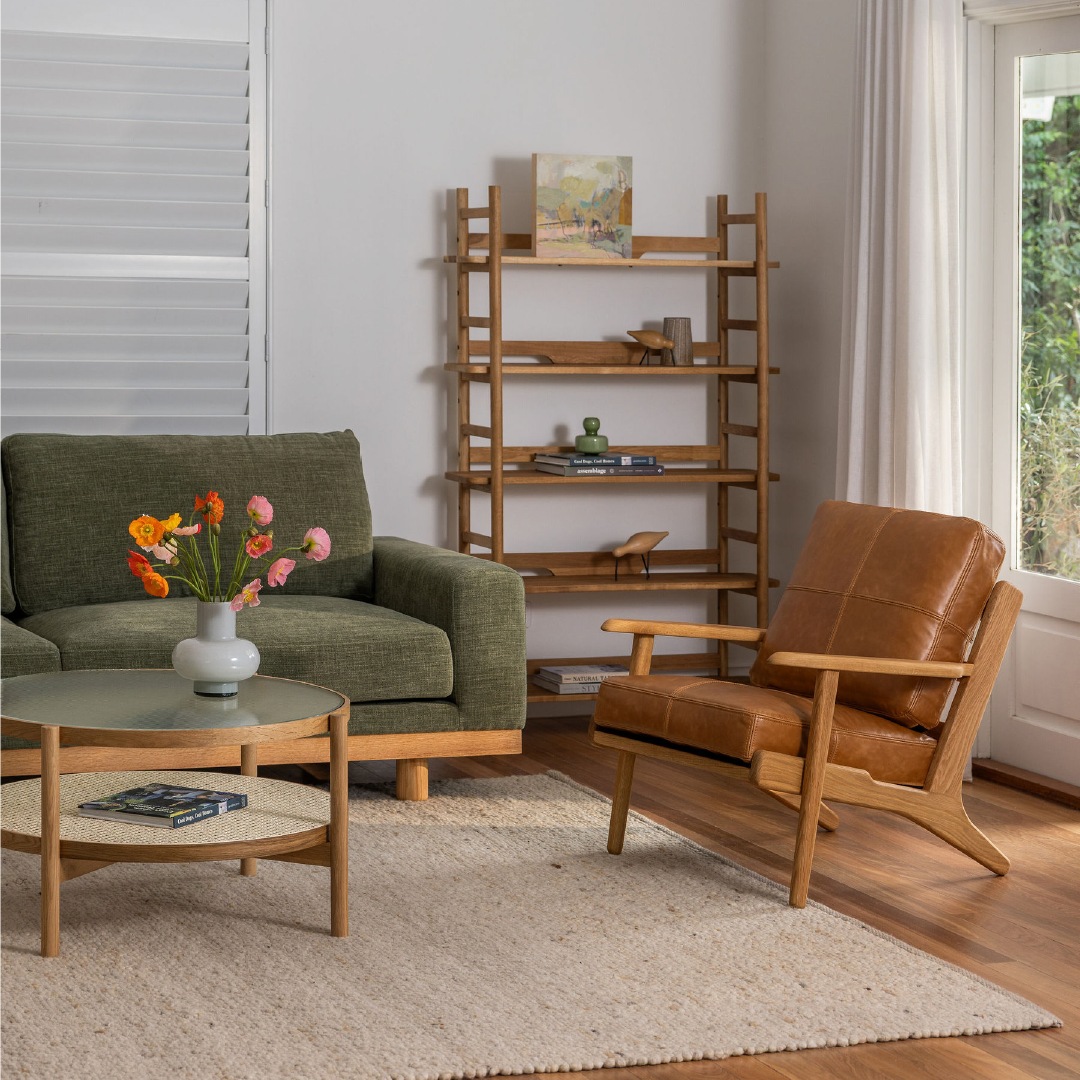
Colour doesn’t have to mean bold or bright. Here’s how to introduce colour while maintaining a timeless, lived-in feel.
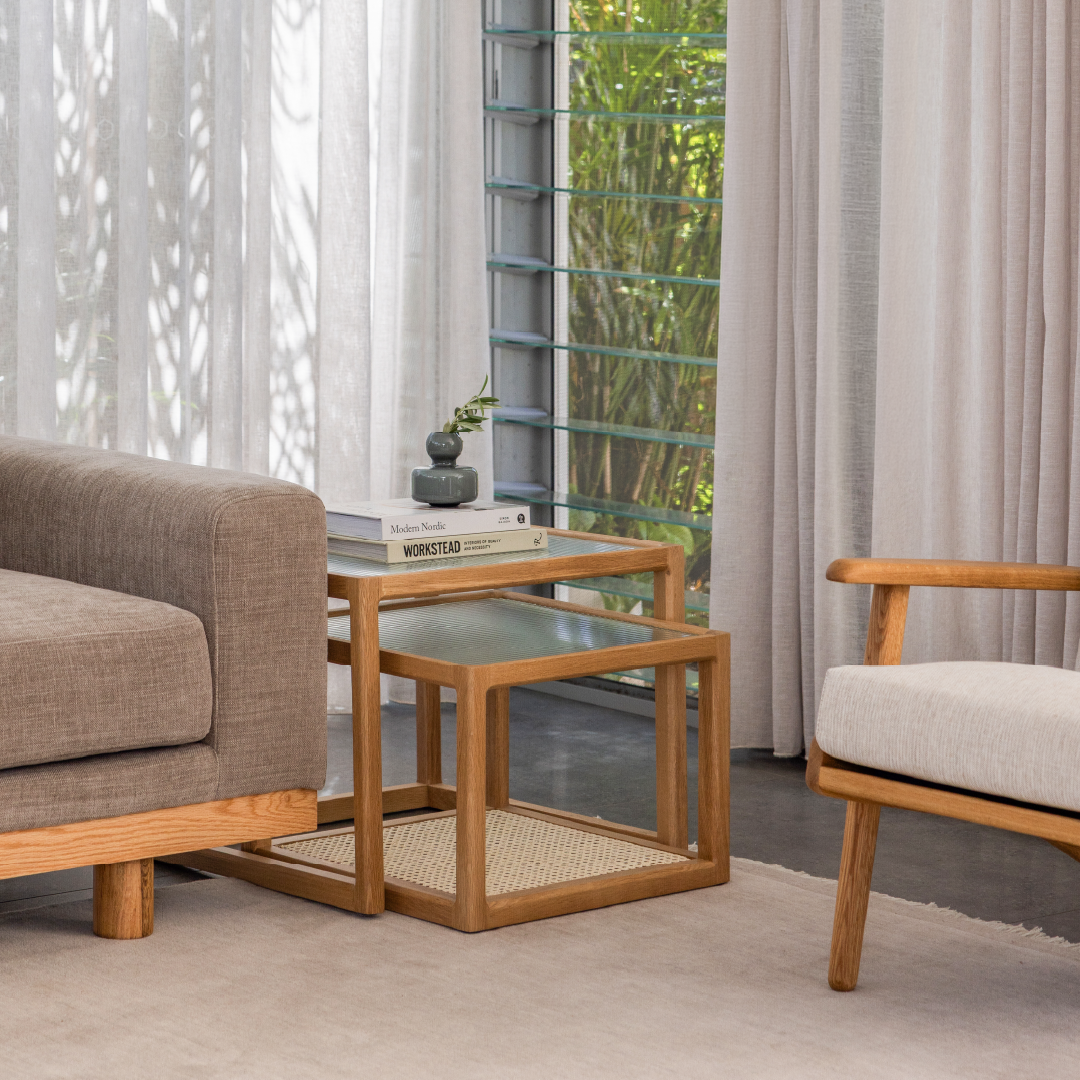
Make entertaining effortless this season with our top out-of-the-box ideas.