
The Art of Incorporating Colour Into Your Home
There comes a point when a neutral room can start to feel a little too safe. While creams, beiges, whites, and natural timbers pair beautifully together and are naturally timeless, a space made entirely from quiet colours can sometimes lack the character that makes it feel like home.
Introducing colour can feel a little daunting, particularly when you’re choosing a piece of furniture you’ll live with for years. But colour doesn’t have to mean bold or bright, and it certainly doesn’t mean rethinking your entire room. Sometimes, a single considered piece is all it takes to make a space feel more interesting.
The key is to choose colours that feel natural within your home rather than simply following what’s currently trending. Some colours come and go, but the ones that work best are usually those that suit your space, your existing materials, and the way you live.
Here’s how to incorporate colour into your home, naturally.
Start with a statement piece
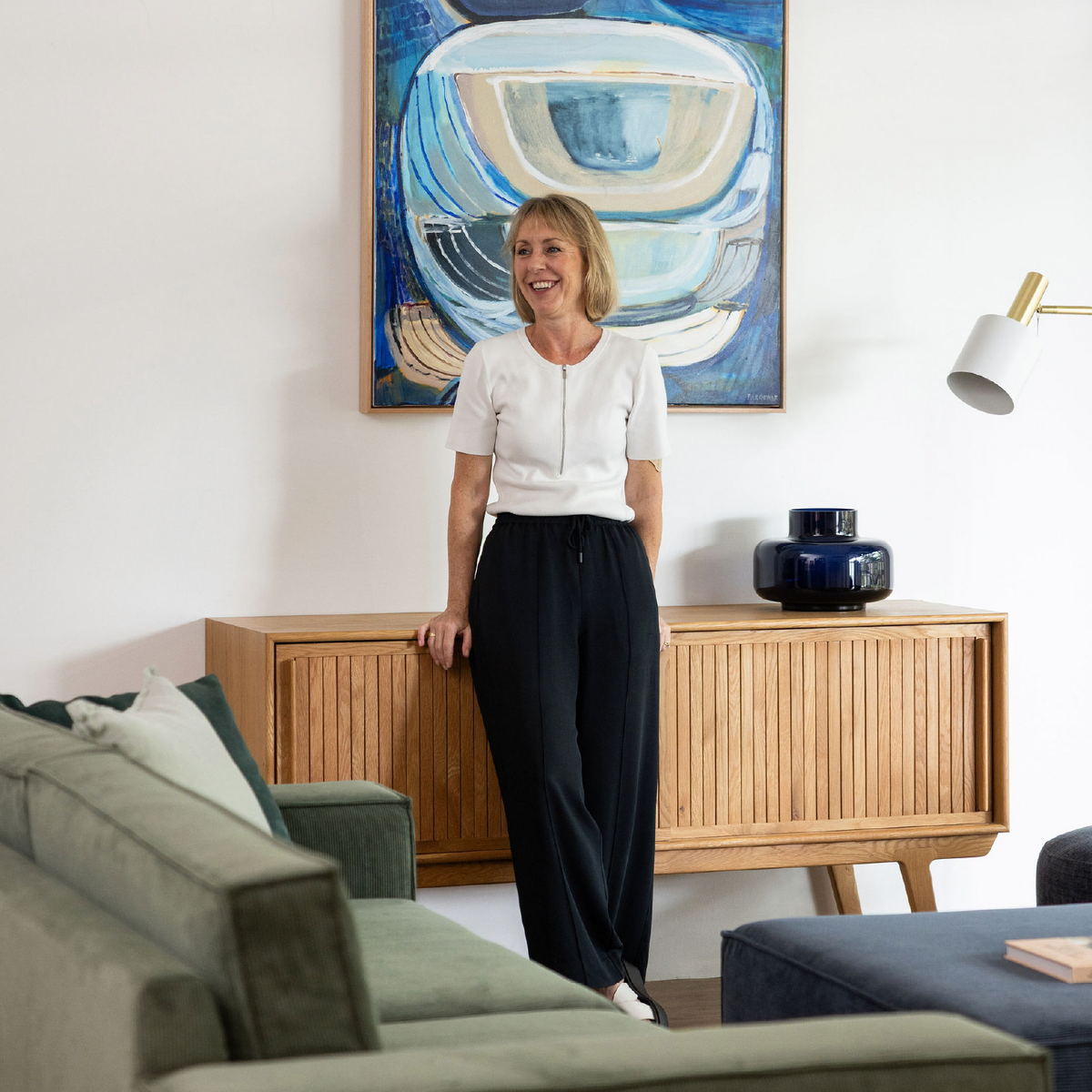
Starting with a statement piece is one of the easiest ways to introduce colour into your home with impact. Start with the largest piece of furniture in the room, such as the sofa. A sofa naturally has a strong visual presence, so choosing a coloured sofa can have more impact than adding lots of smaller decorative pieces. It gives the room a sense of direction without requiring every other element to follow the same colour.
Green and blue furniture are versatile ways to bring colour into a room while complementing natural materials. They are surprisingly easy to live with and sit comfortably alongside timber, linen and other natural textures.
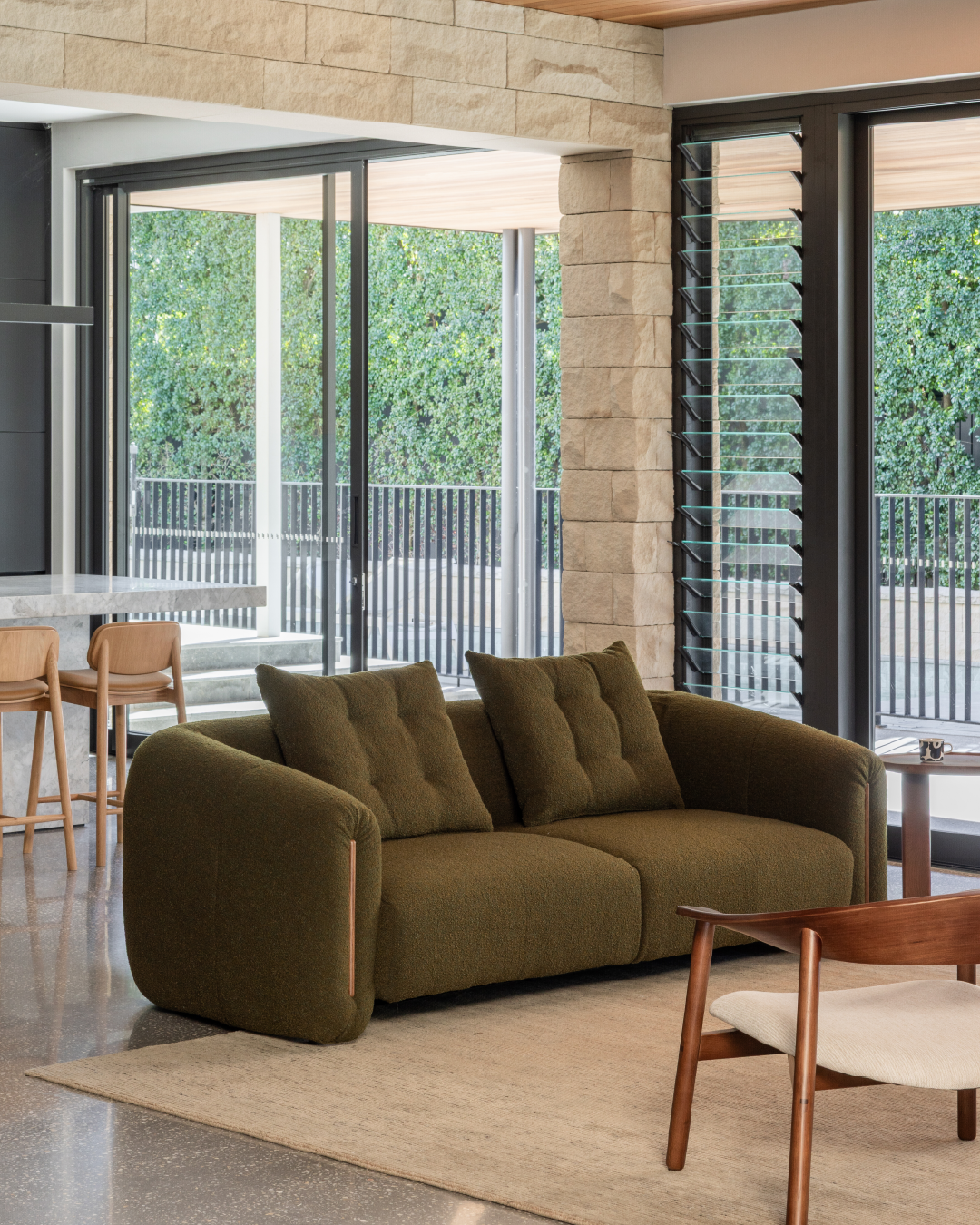
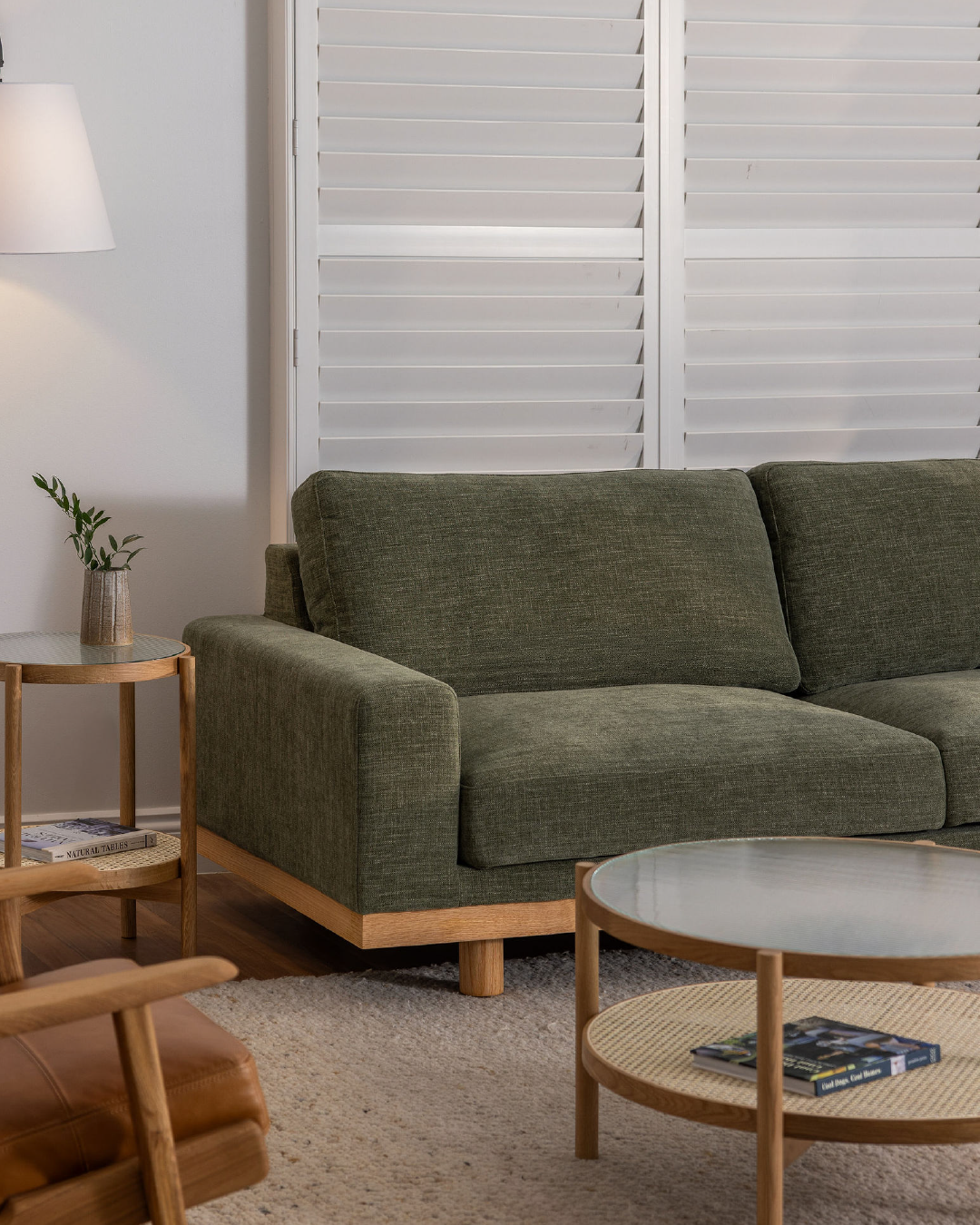
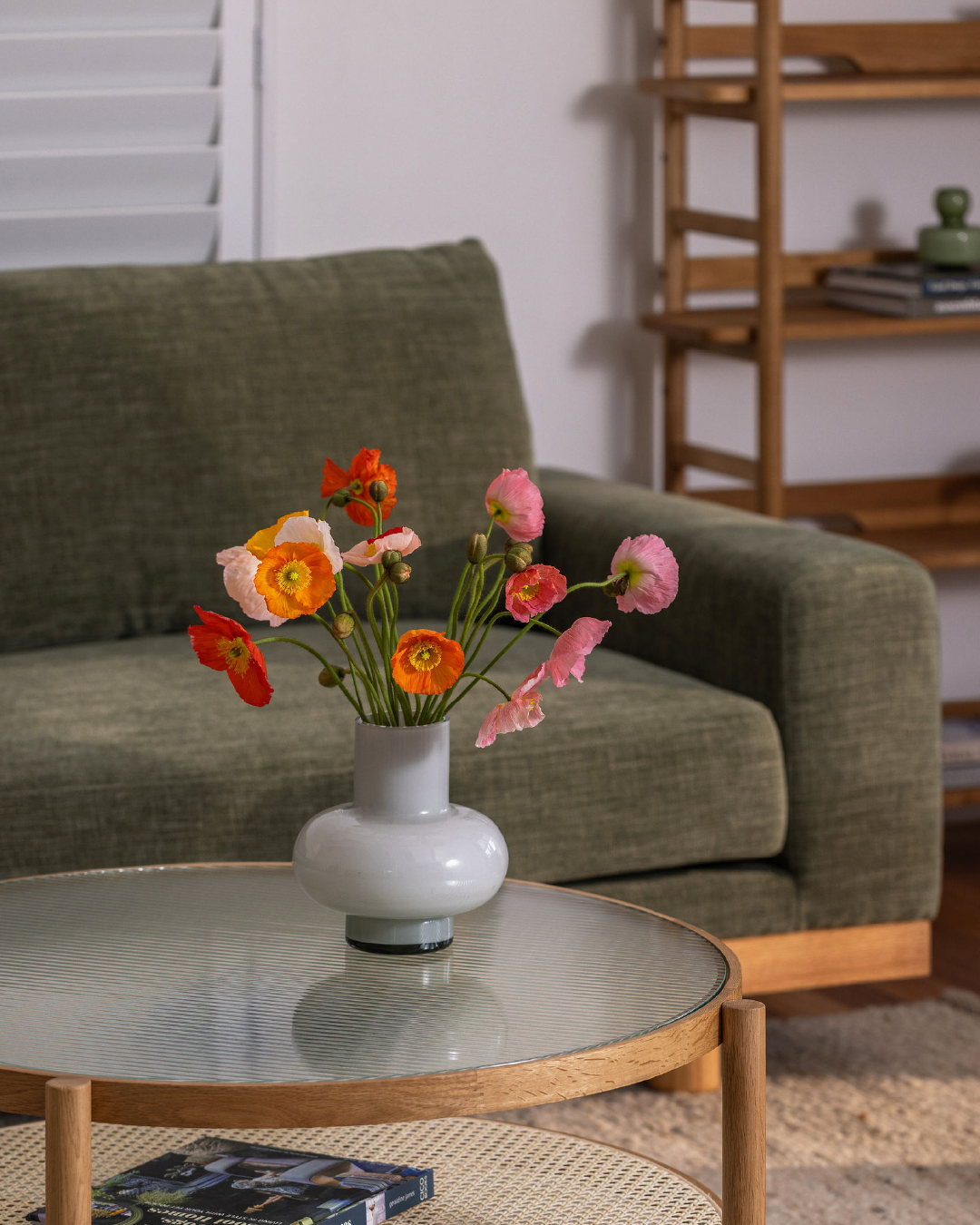
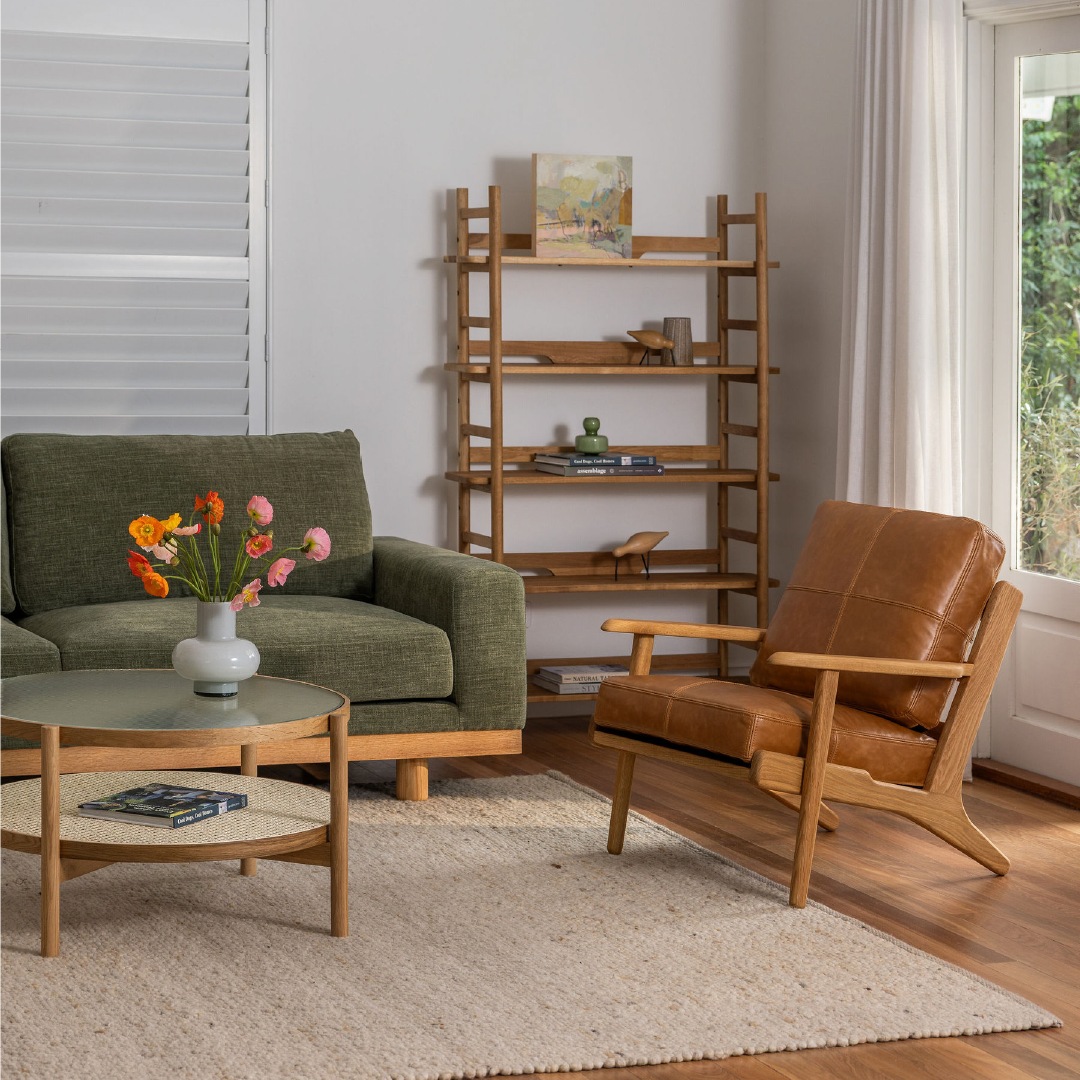
So, using our sofa example, a green sofa can introduce colour without overwhelming the rest of the living room. The Metsa Sofa in Clover is a good example. The green has enough depth to give the sofa presence, but it doesn't demand that everything around it be equally strong.
An accent chair is another easy way to incorporate colour, particularly when you want to experiment with a stronger shade. An armchair is a smaller commitment, making it a natural place to introduce a colour that might feel too strong on a sofa. Sometimes the most interesting piece in a room is simply the one that isn't neutral.

Let natural materials do the balancing
Balancing coloured furniture with natural materials is an easy way to create a relaxed and cohesive interior. Colour tends to feel more at home when there is a little variation around it.
Timber, stone, linen, wool and leather can balance stronger furniture colours through warmth, texture and subtle tonal variation. Together, they help prevent colour from feeling too flat or deliberate.
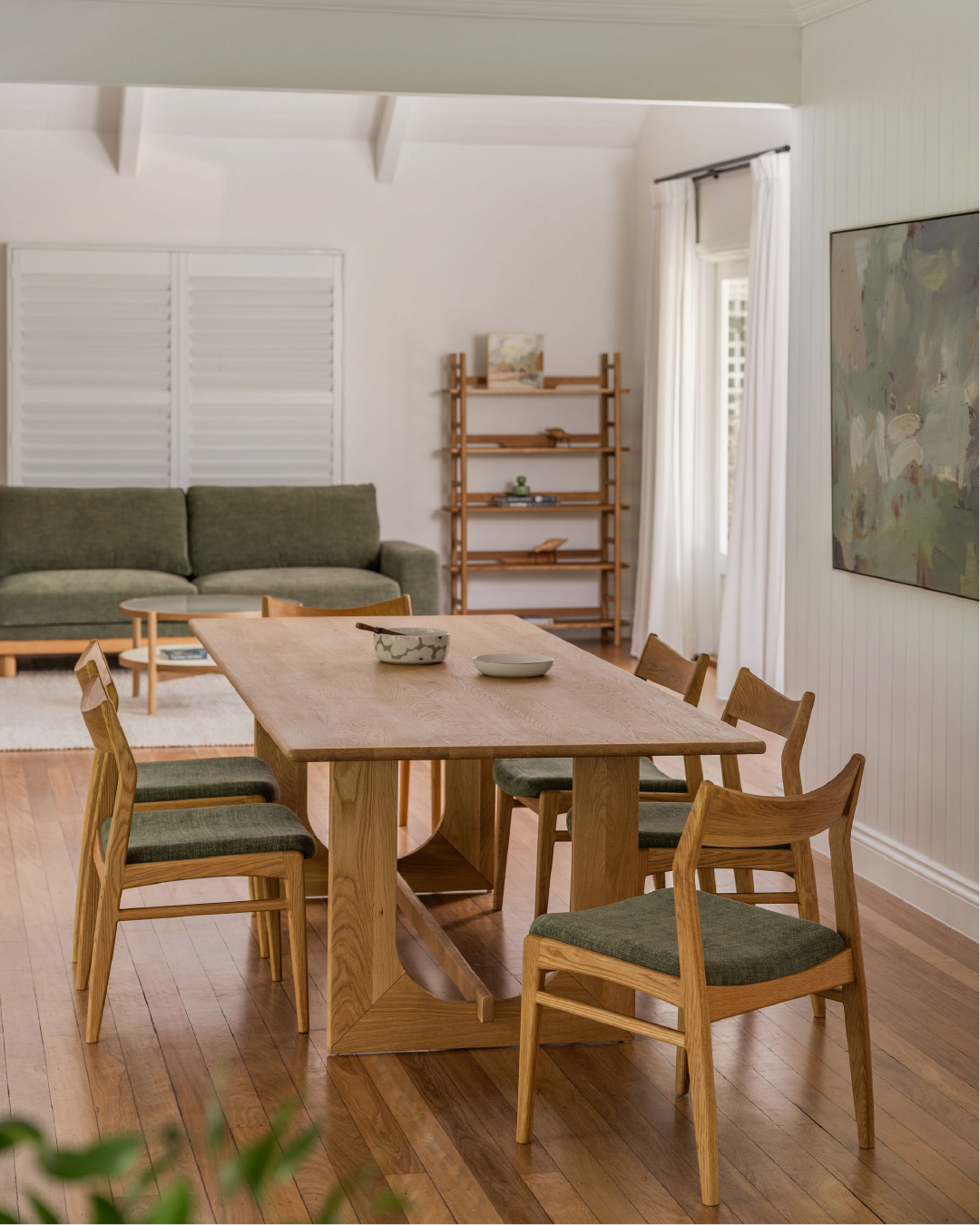
Pairing coloured furniture with different timber tones can influence whether a shade feels warm, fresh or grounded. A warm oak floor can sit beautifully alongside a deeper coloured sofa, while paler timber can keep a stronger shade feeling fresh and light. Stone, linen and wool can add another layer without competing with the furniture.
A blue or green sofa paired with timber is an effective way to introduce colour while maintaining an effortless, natural feeling. For example, the Norrsken Sofa’s blue upholstery adds depth, while its timber legs and side panels bring warmth and architectural interest.
Natural materials can also become part of your colour palette, adding variation without relying on bright or saturated shades. Timber can range from pale blonde through to deeper walnut tones, while stone and natural fabrics introduce subtle variations through texture and light.

Think in tones, not trends
Choosing colours based on the tones already present in your home is a more lasting approach than simply following interior colour trends.
When choosing a significant piece of furniture, consider how the colour will work in your home long after the current trend has passed. There is always an ‘in-trend’ colour – it appears across interiors magazines, showrooms and social media, before a different shade eventually takes its place. While trend cycles can be fun, it matters far more how a piece works in your space than whether it’s popular this season.
Look at the materials, furnishings and natural light already present in your room when deciding which colours will work best. Colours can look surprisingly different depending on what they sit beside and the light they are exposed to.
The same green might feel fresh against pale timber but moody against a dark concrete floor, while a blue can feel crisp in morning light and richer as the evening sets in. This is why a colour that seems strong on a small swatch can work harmoniously as an entire piece, softened by your flooring, natural light, artwork and soft furnishings.
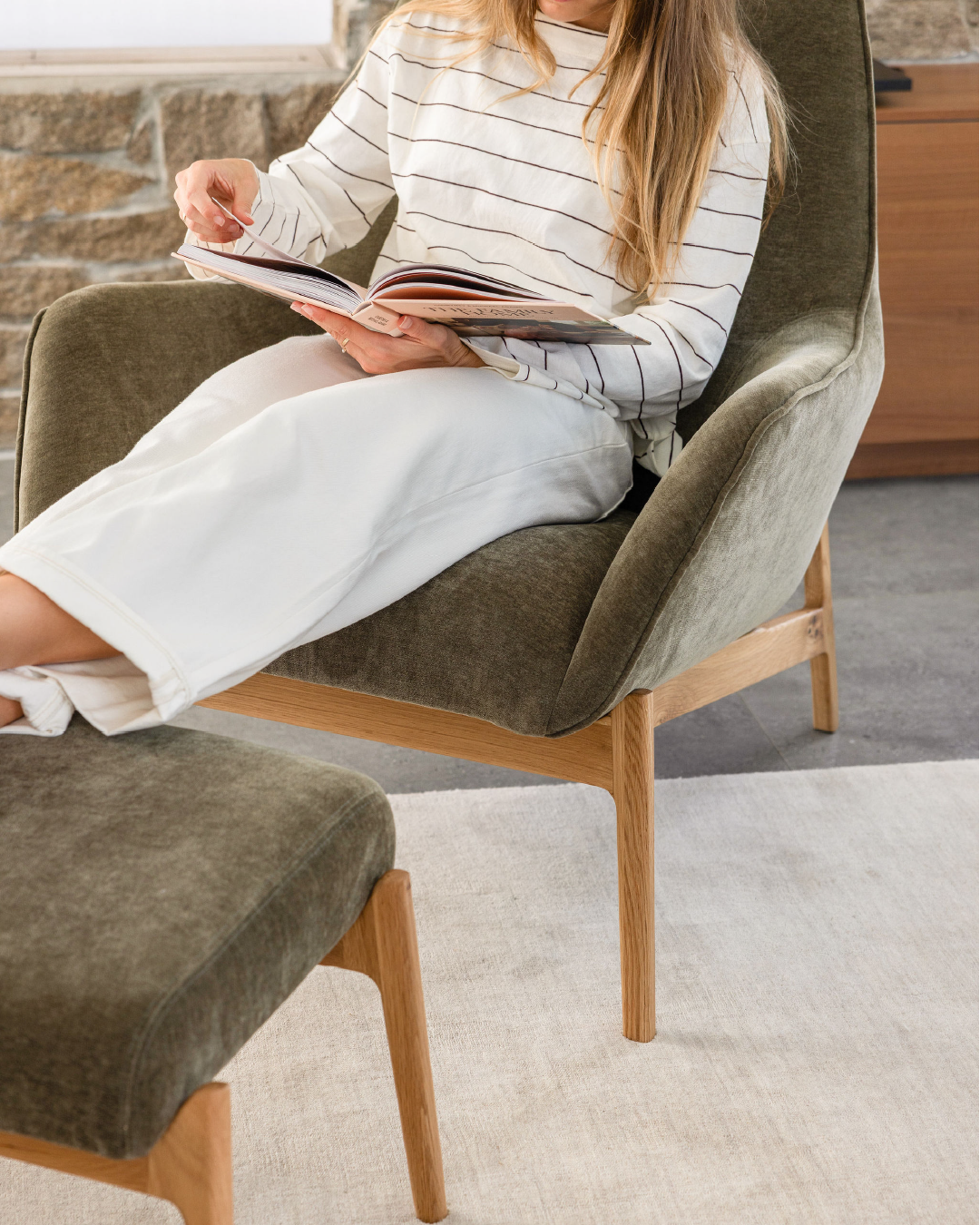
For example, a muted coloured armchair can add personality while still sitting comfortably within a natural, neutral palette. There’s something particularly easy about the Map Armchair in Sage Green. It sits beautifully with oak, linen and other natural textures, while bringing enough contrast to stand out. It’s green, but it doesn’t feel like you suddenly have a green room.

Repeat colour with intention
Repeating colour subtly throughout a room can create a sense of connection without making the space feel overly coordinated. Colour does not have to be perfectly repeated to make a room feel connected. In fact, when the same colour reappears across multiple elements, it can start to feel as though the whole room arrived in one delivery. Timeless, lived-in homes are rarely that coordinated.
Instead of matching colours exactly, create cohesion by choosing shades that relate through their tone, warmth or depth. Timber can bring two quite different pieces together without either of them needing to match, while artwork or a rug can introduce a colour that quietly connects back to the furniture.
Mixing different colourways across the same furniture design is another way to create a layered and personal interior. The Arna Lounge Sofa and Arna Lounge Chair demonstrate how the feeling of a piece can change with colour. The Baltic Blue, Olive, Fern, and Rust upholstery colourways each give the same design a different character. Paired together in the same colour, the pieces feel cohesive. Introduced alongside other colours and materials, they become part of a much more varied mix.
An accent chair does not need to match the sofa to feel at home in the same room. It can complement it through shape, material or proportion, while its colour can add another layer to the overall palette.

Create balance with space & light
Consider the amount of natural light and surrounding space when choosing coloured furniture, as both can significantly change how a shade appears. The same sofa or armchair can look completely different in a bright, sunlit space, a darker living room or a room with warm artificial lighting. Wall colours, flooring and the amount of space around the furniture can all influence how a shade feels, particularly when choosing a larger coloured piece.
Use deeper colours to add warmth and depth to a light-filled room, while softer shades can help maintain a sense of lightness. There isn't necessarily a right colour for a small room or a wrong colour for a large one. What matters most is how the furniture relates to everything around it.
Give stronger colours enough surrounding space to become a considered focal point rather than competing with other elements. When a piece has a little room to breathe, you start to notice more than the colour. You notice its shape, texture and the way it sits within the room.

Colour should feel like part of the home
The best way to incorporate colour into your home is to choose pieces that feel natural to your personal style rather than following design rules. There isn’t a correct way to use colour. Some people prefer quieter rooms, while others are drawn to contrast and stronger furniture. Neither approach needs an explanation.
Allowing colour to build gradually over time can create a more personal and lived-in home than choosing everything from a single palette. Most homes come together slowly, with colours arriving through inherited pieces, treasured finds and things bought simply because they were too good to leave behind.
Mixing coloured furniture with different timber tones and natural fabrics can create a relaxed, layered space where each piece feels at home. A red leather sofa can sit with pale timber and natural fabrics, while a green armchair can bring colour to a quiet corner. A blue sofa can sit amongst warmer tones without needing to be repeated elsewhere.
Give yourself time to live with a new colour and discover how it works within your home. Sometimes a piece takes a little while to make sense. You see it in a showroom, love the colour, bring it home and slowly work out how it sits amongst everything else. That is part of the process too.
Ultimately, incorporating colour into your home is about creating a space that feels collected, personal and lived in rather than perfectly coordinated. A home doesn’t need to look as though every decision was made on the same afternoon. In fact, it is usually the opposite that gives a room its personality.
Not perfectly styled. Just lived in.

FAQs
How do I choose a sofa colour?
Choose a sofa colour that complements the flooring, walls and timber already in your home, while still reflecting your personal style. Rather than choosing from a colour swatch in isolation, consider how the shade will work with the materials and tones already in the room.
A sofa is a substantial piece of furniture, so there is little point choosing a colour you think you are supposed to like if you would actually prefer something else.
If you’re deciding between a few options, take fabric or leather samples home and look at them in the room throughout the day. Natural light can change how a colour looks considerably.
What colour sofa is timeless?
Neutral sofa colours are often considered the most timeless, but a well-chosen coloured sofa can be just as enduring. Cream, beige and other neutrals are versatile and work with many different interiors, but green, blue or red sofas don’t automatically become dated.
The key is choosing a colour that works with the materials and tones around it, rather than one that simply happens to be fashionable.
Ultimately, a sofa is more likely to feel timeless when you continue to enjoy living with it long after the trend has passed.
What is the best colour sofa for a living room?
The best sofa colour for a living room is one that complements the room’s natural light, walls, flooring and existing materials. Deeper colours can add warmth and depth to a light-filled room, while softer shades tend to sit more quietly within the space.
For example, a deeper green can feel rich and enveloping in a darker room, but much fresher when surrounded by pale timber and plenty of natural light.
The same sofa can create a completely different feeling depending on the room it sits in.
How do you style a green couch?
Style a green couch with timber, leather, stone and natural fabrics to create a relaxed and balanced interior. Green doesn’t need to become the theme of the room; it can simply be the main coloured piece amongst neutral walls and natural materials.
You can also pair a green couch with warmer tones if you want more contrast.
There’s no need to add green cushions and accessories simply because the sofa is green. Letting the sofa stand on its own can often feel much more natural.
Should an accent chair match the sofa?
An accent chair does not need to match the sofa; choosing a different colour or fabric can give the room more character. While a matching sofa and chair can look great, mixing different pieces can make a space feel more considered and less like everything was purchased as a set.
If the sofa is neutral, an accent chair can be a good place to introduce a stronger colour. If the sofa is already coloured, a contrasting chair can work just as well.
What colours work best for accent chairs?
The best accent chair colour depends on whether you want the chair to stand out or blend more quietly into the room. A stronger shade can make the chair a focal point, while a softer colour can add interest without competing with the sofa.
An accent chair is also a smaller commitment than a sofa, making it a good place to experiment with a colour you might not be ready to use on a larger piece.