



Lessons from Coastal Living | In Conversation with Angela Ladd-Hudson
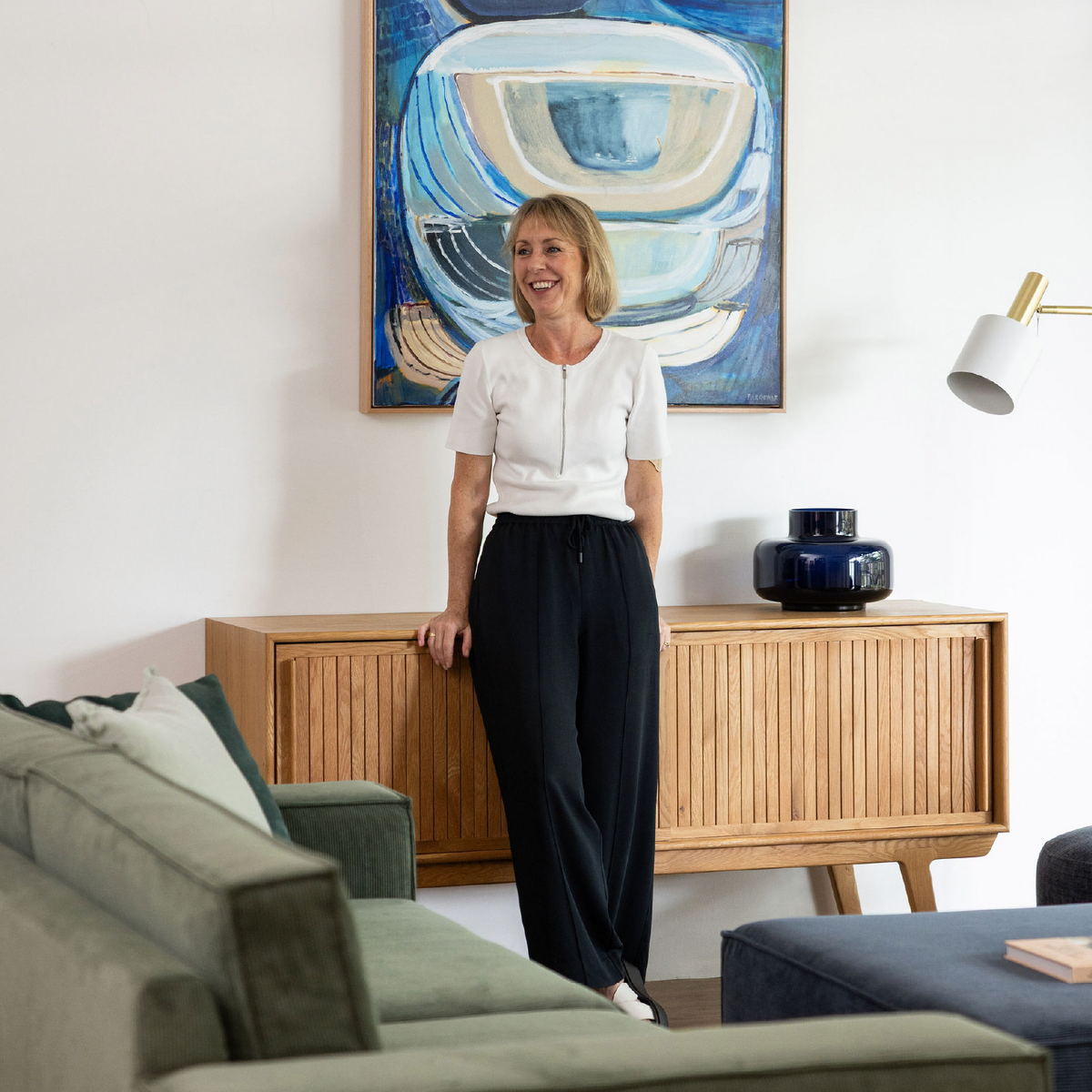
There’s an easy rhythm to life in Noosa. The outdoors is never far away, rooms open up naturally to the landscape, and a home is very much somewhere to be lived in, not tiptoed around.
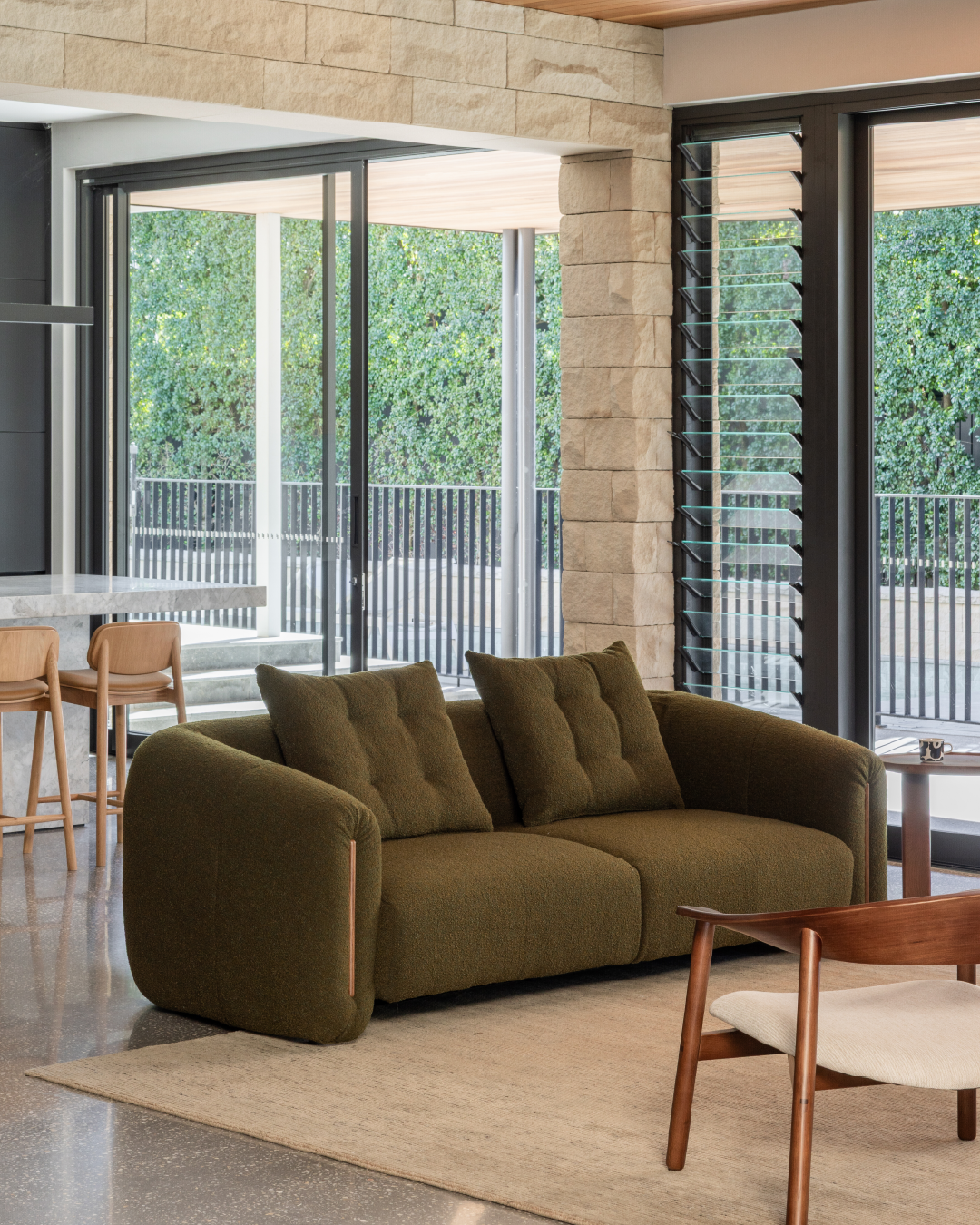
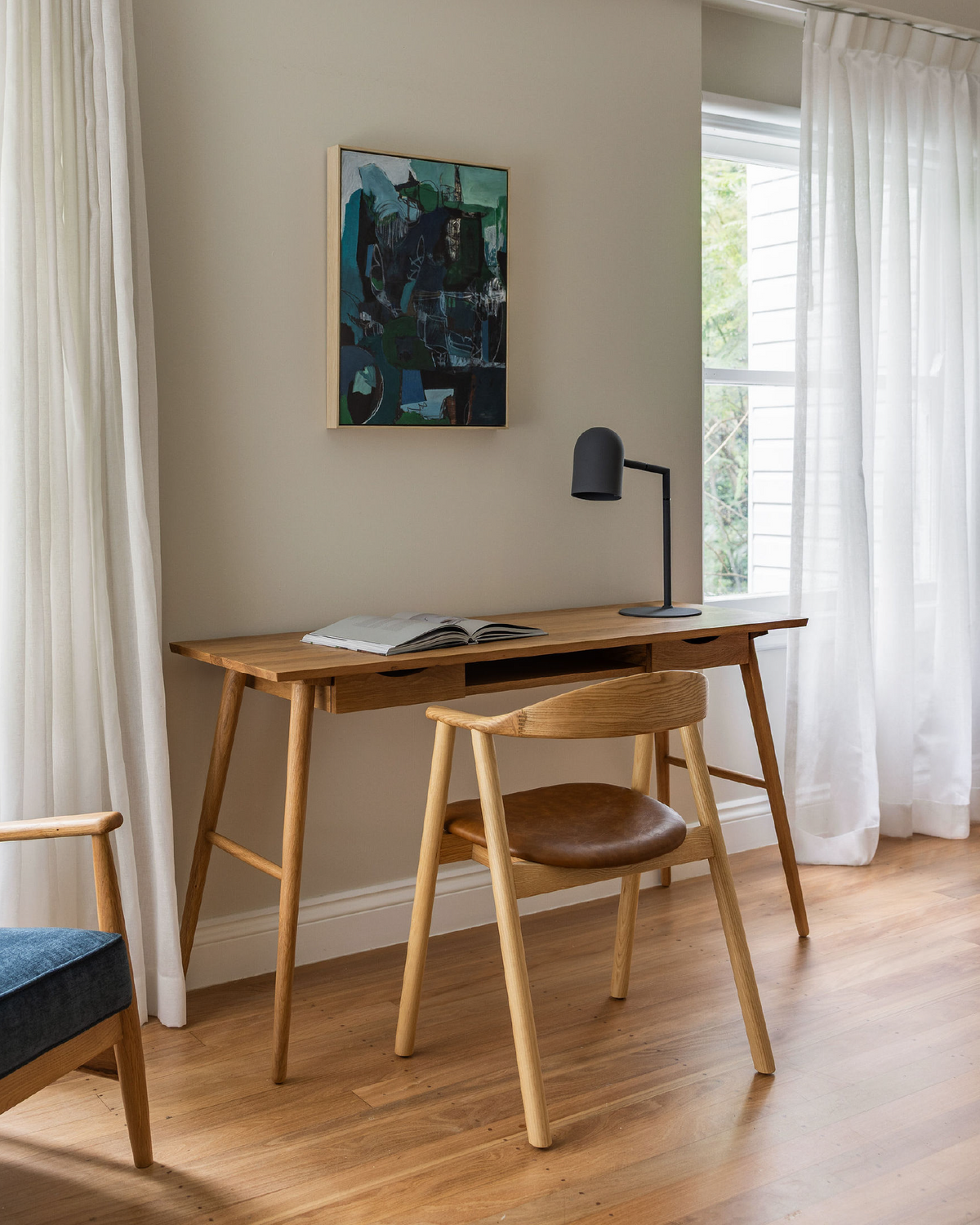
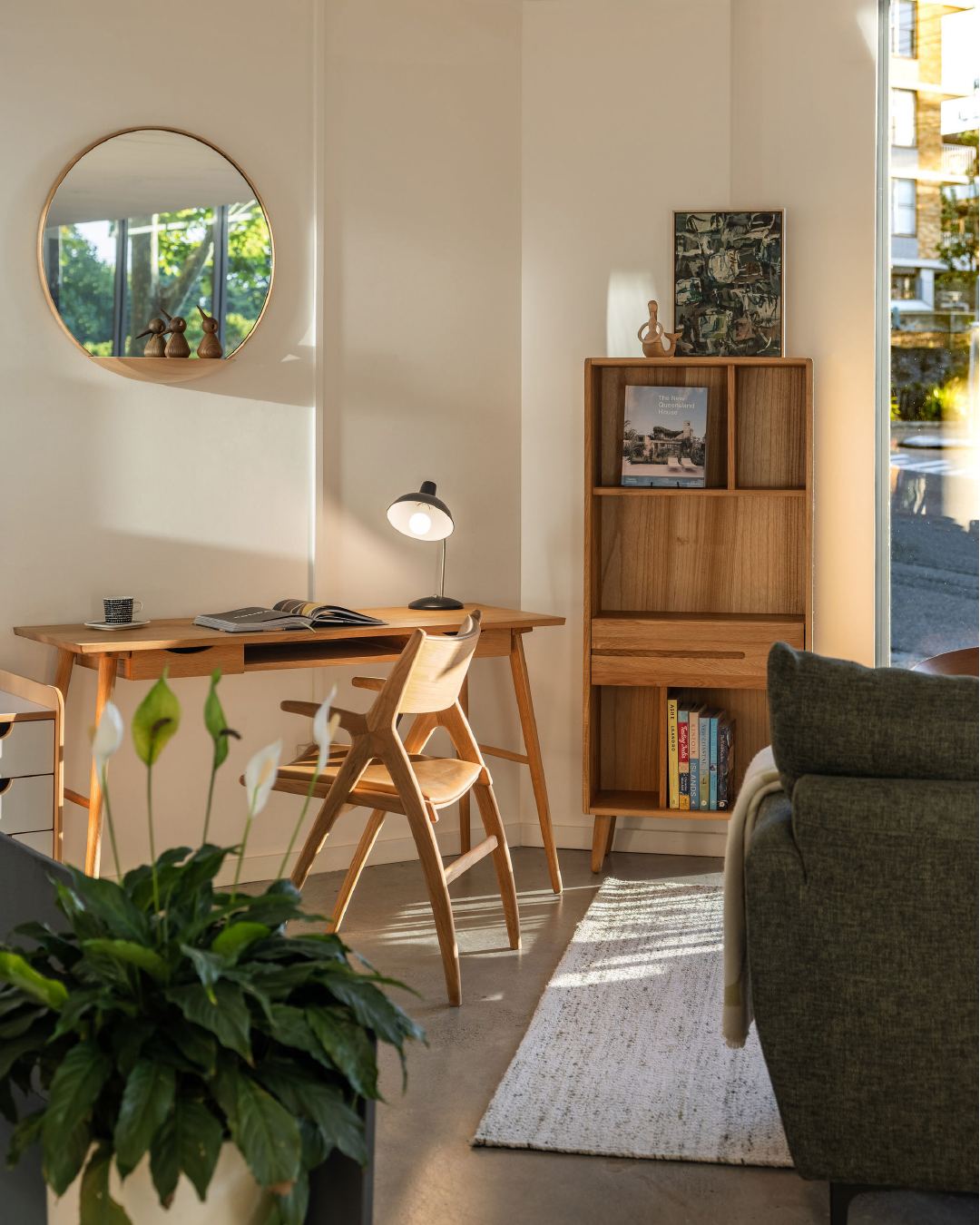
That relaxed approach has less to do with being near the beach than you might think. Many of the things that make a coastal home feel good can work anywhere: a sense of open space, furniture that suits the way you live, neutral materials, and rooms that invite you to sit down and stay awhile.
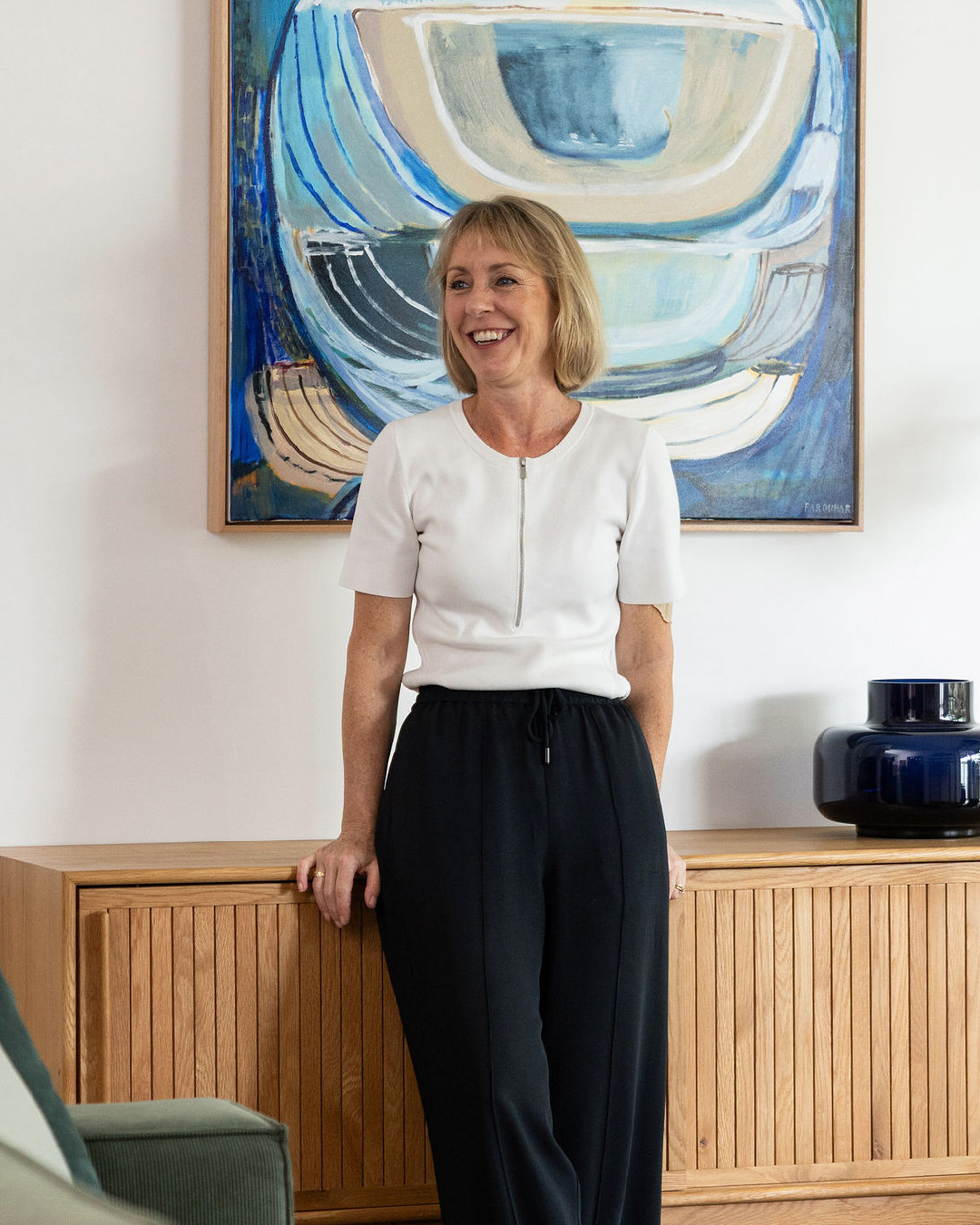
We sat down with Angela Ladd-Hudson, manager of our Noosa showroom, to talk about what living and working on the coast has taught her about creating a relaxing home, and why you don’t need an ocean view to do it.
Lesson 1 – Less is more
What has living in Noosa taught you about the relationship between space and relaxation?
For Angela, it starts with something quite simple. A room must work for the people living in it.
“If you’re comfortable in your space and don’t feel cluttered or flustered by too many pieces of furniture, you’ll naturally want to spend time there and unwind.”
Living in Noosa reinforces that every day. So much of life here centres around enjoying the environment, and that sense of openness tends to find its way indoors too. It doesn’t mean rooms need to be sparse or minimalist. It’s more about resisting the urge to fill an empty corner simply because the floor space exists.
Giving furniture room to breathe makes walking through a room feel effortless. Often, what makes a space feel calmer isn’t what you add, but what you choose to leave out.
How do you strike a balance between personality and simplicity?
Simple doesn’t mean plain. In fact, Angela finds that quieter interiors are often the most memorable because individual pieces have room to be appreciated.
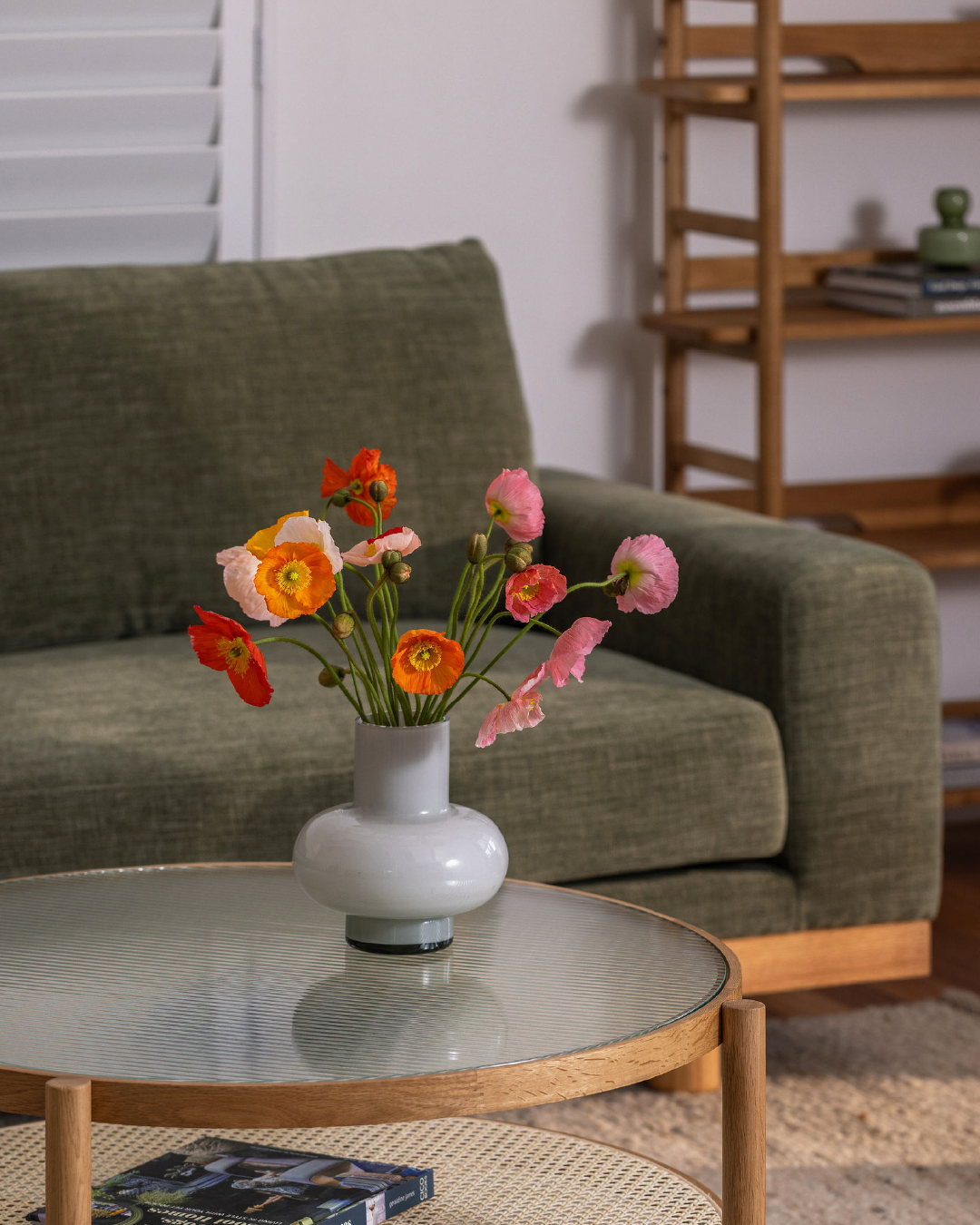
“Personality doesn't have to come from dozens of decorative objects competing for attention,” Angela says. “It comes through in the curve of an armchair, the natural grain of a beautiful timber, an original artwork, or the texture of the fabric on your lounge.”
You don’t need a lot of things to make a room interesting. Scale, tone and materials can do much of that work, while the pieces you genuinely love inject personality. Your home should feel like yours, not an impersonal showroom.
When you're styling a coastal space, what tells you it's finished?
“It’s finished when your eye moves easily through the room without getting snagged on clutter,” says Angela.
A room feels complete when it feels balanced and comfortable to move around in. If you can walk through easily, put a drink down without searching for a coaster, and sit anywhere without feeling hemmed in, the space is doing its job.

Lesson 2 – Choose furniture that earns its place
How has coastal living shaped the way you think about furniture functionality?
Living near the ocean means furniture must handle a little more than everyday wear and tear. Salt air and humidity are part of life in Noosa, and they can be particularly hard on exposed metal fittings over time.
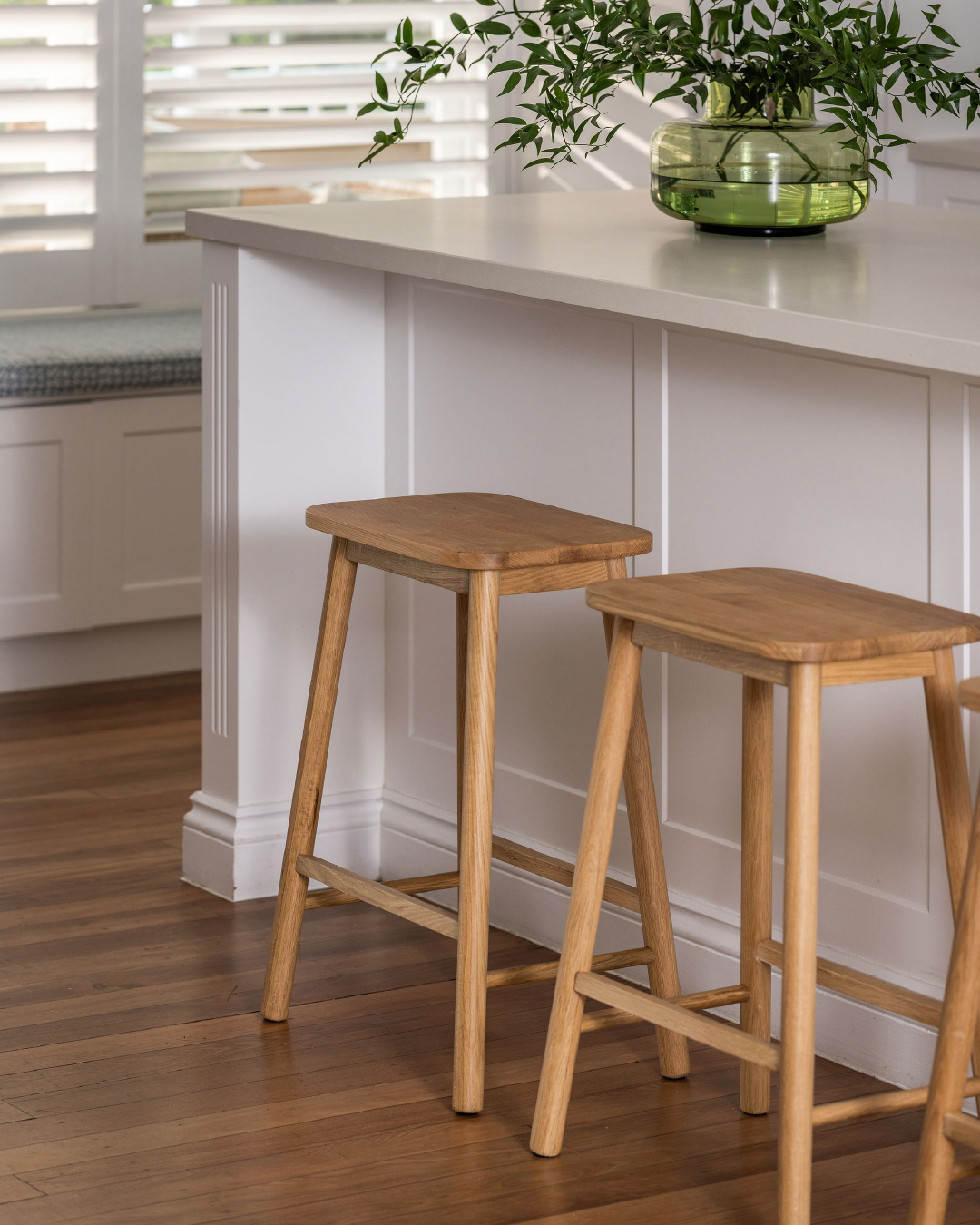
It’s one reason timber feels so native to coastal furniture. Beyond its warmth and character, solid timber makes practical sense for the climate. It's built to wear family life gracefully and last for decades.
Functionality is also about honest everyday use.
“If you have children, entertain regularly, or spend most evenings stretched out on the sofa, your furniture needs to support that,” Angela notes. “There’s little point in owning a beautiful piece if you’re constantly worried about someone sitting on it.”
When you're designing a room setting, what qualities make you choose one piece over another?
“I look for sound craftsmanship, balanced proportions, and how tactile the material feels,” Angela says.
A piece has to earn its place by being both comfortable to live with and pleasing to look at from every angle. If a chair looks amazing but feels stiff, or if a table is too precious to host a long lunch, it isn’t the right fit for a relaxed home.
How do you decide which piece or pieces deserve to be the focal point of the room setting?
Angela looks first at how you enter the room, where your eye naturally settles, and how the space is used.
“If the television is central to your evenings, there’s no need to disguise it,” Angela says. “A well-crafted entertainment unit anchors the wall and helps the screen settle into the room naturally.”
If the room is centred on conversation, the seating takes the lead. A generous coastal sofa paired with armchairs creates a much more social setting than pushing every piece back against the walls. Start with the piece that matters most to how you use the room, then allow everything else to fall into place around it.

Lesson 3 – Timeless beats trendy
What have coastal homes taught you about creating timeless interiors?
The homes that age best rarely try too hard to look coastal.
Instead, they respond naturally to what’s around them: welcoming natural light, keeping an easy flow between indoors and outdoors, and working effortlessly for everyday life.
Angela sees these ideas as being far broader than coastal style. An inner-city apartment can borrow exactly the same thinking as a beachside home: make the most of the light, give the room some breathing space and choose furniture you can imagine still enjoying ten years from now.
It’s why coastal style furniture never needs to rely on navy stripes, whitewashed timber, or overt beach themes. Simple silhouettes, natural materials and comfortable proportions can give a room that relaxed coastal character without making it feel themed.
Why do relaxed homes tend to age better than trend-driven ones?
“When a home is designed around comfort and quality materials, it doesn’t date,” Angela explains.
Trends can be fun, but they don’t necessarily need to dictate the larger pieces in a room. A home built around quality materials and comfortable proportions has more freedom to evolve as tastes change.
What's one timeless styling principle every home can benefit from?
“Avoid fads and look for integrity in the materials that will never date,” Angela says.
Solid timber is a prime example. The natural variations in grain and tone only gain depth with age. Angela takes the same approach to the larger pieces in a room, whether it’s a dining table, lounge or sideboard. Choose those pieces because you genuinely want to live with them, then let cushions, artwork and smaller details change over time.

Lesson 4 – Natural materials only get better with time
What has coastal living taught you about living with natural materials like leather & timber?
“Natural materials breathe, adjust to the climate, and develop a beautiful patina,” Angela says.
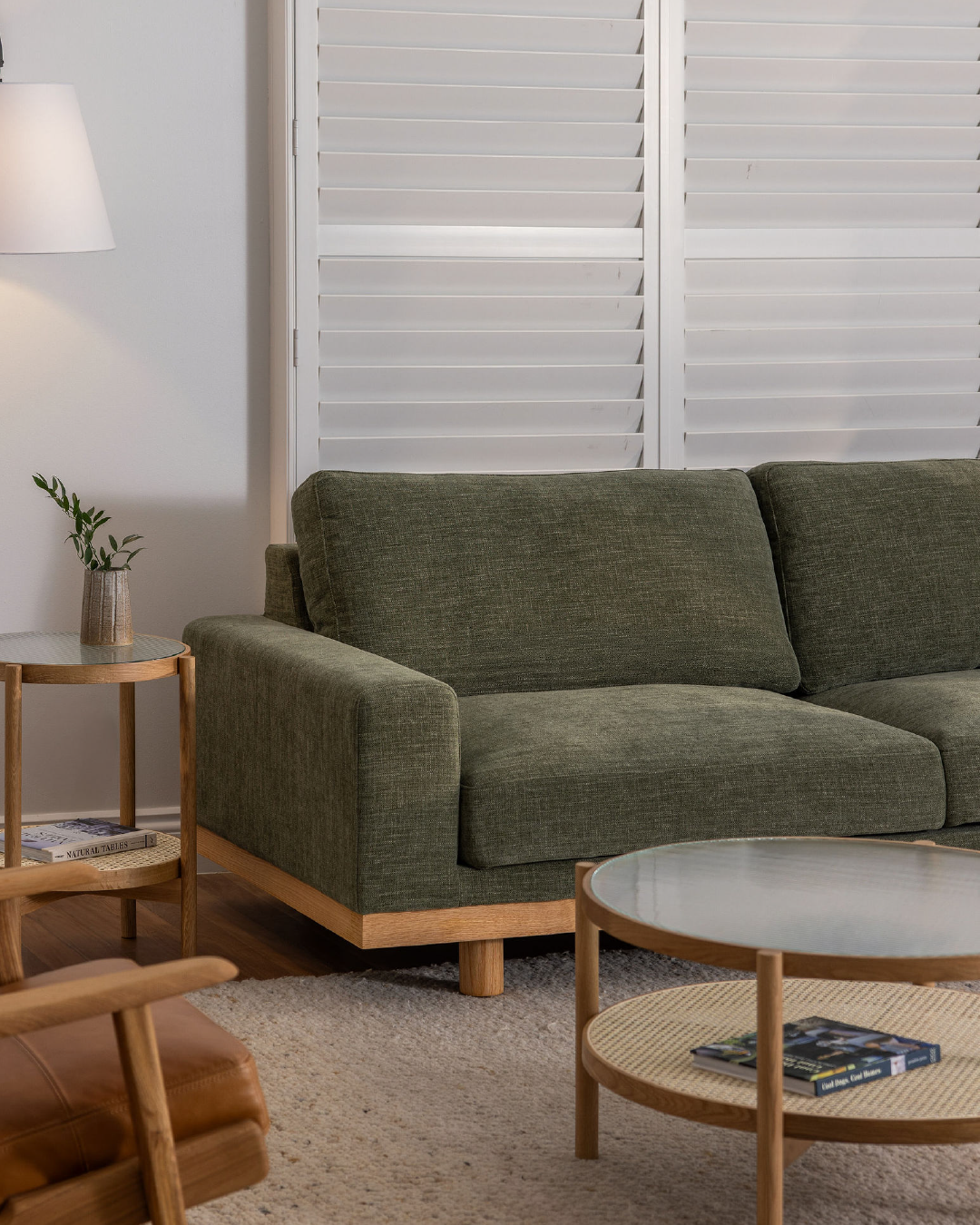
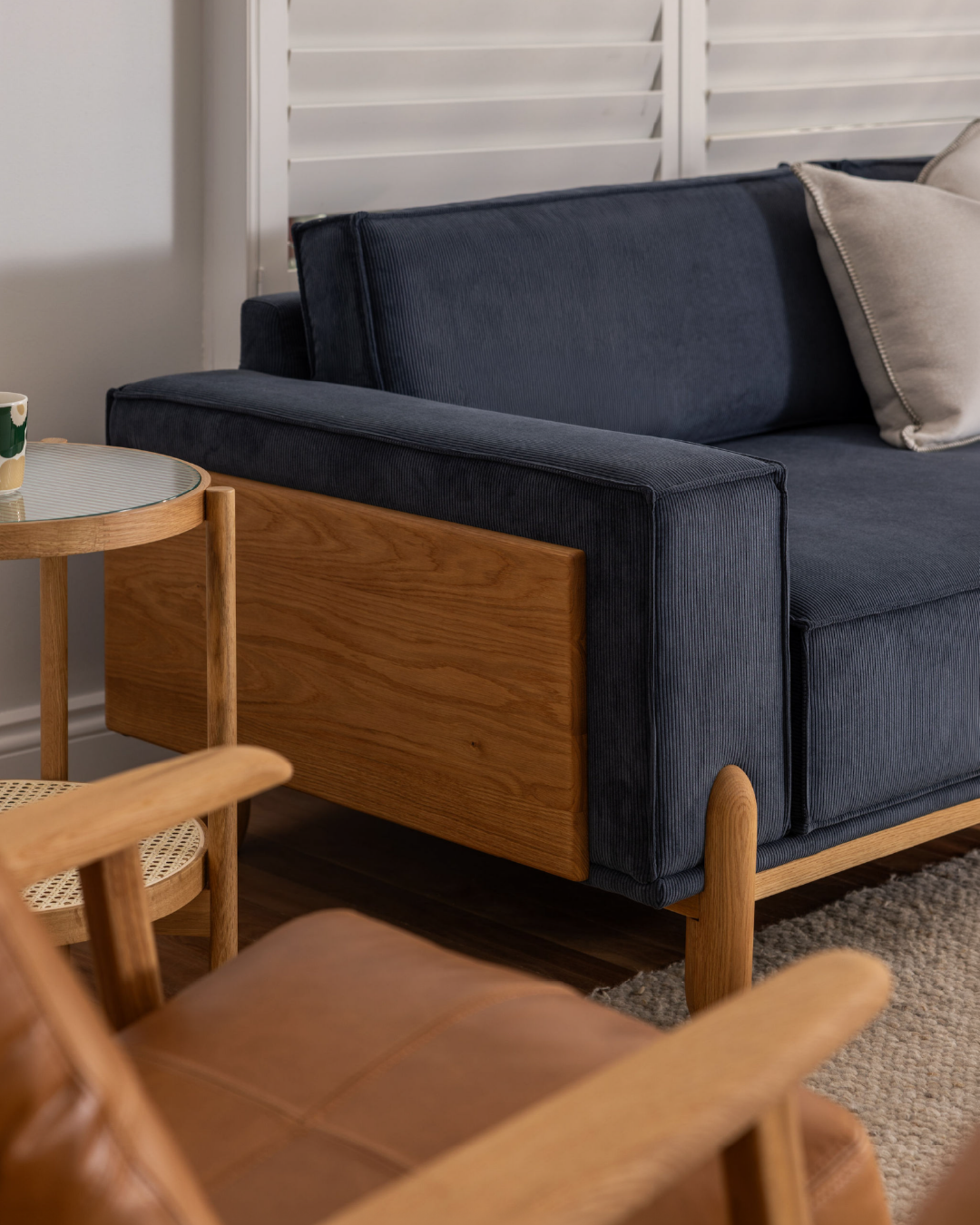
Unlike synthetic surfaces that tend to show wear and tear in an unflattering way, quality leather and solid timber soften and gain character as the years go by. A mark in the timber or a leather chair that has softened with use becomes part of the piece rather than something that needs to be hidden.
How do natural textures influence the mood of a room?
Texture can make a room feel warmer without needing to add more decoration.
Timber alongside washed linen, woven fibres or a soft upholstery gives the room depth but still keeps things quiet and easy on the eye.
Which material combinations do you gravitate towards to create a calm interior?
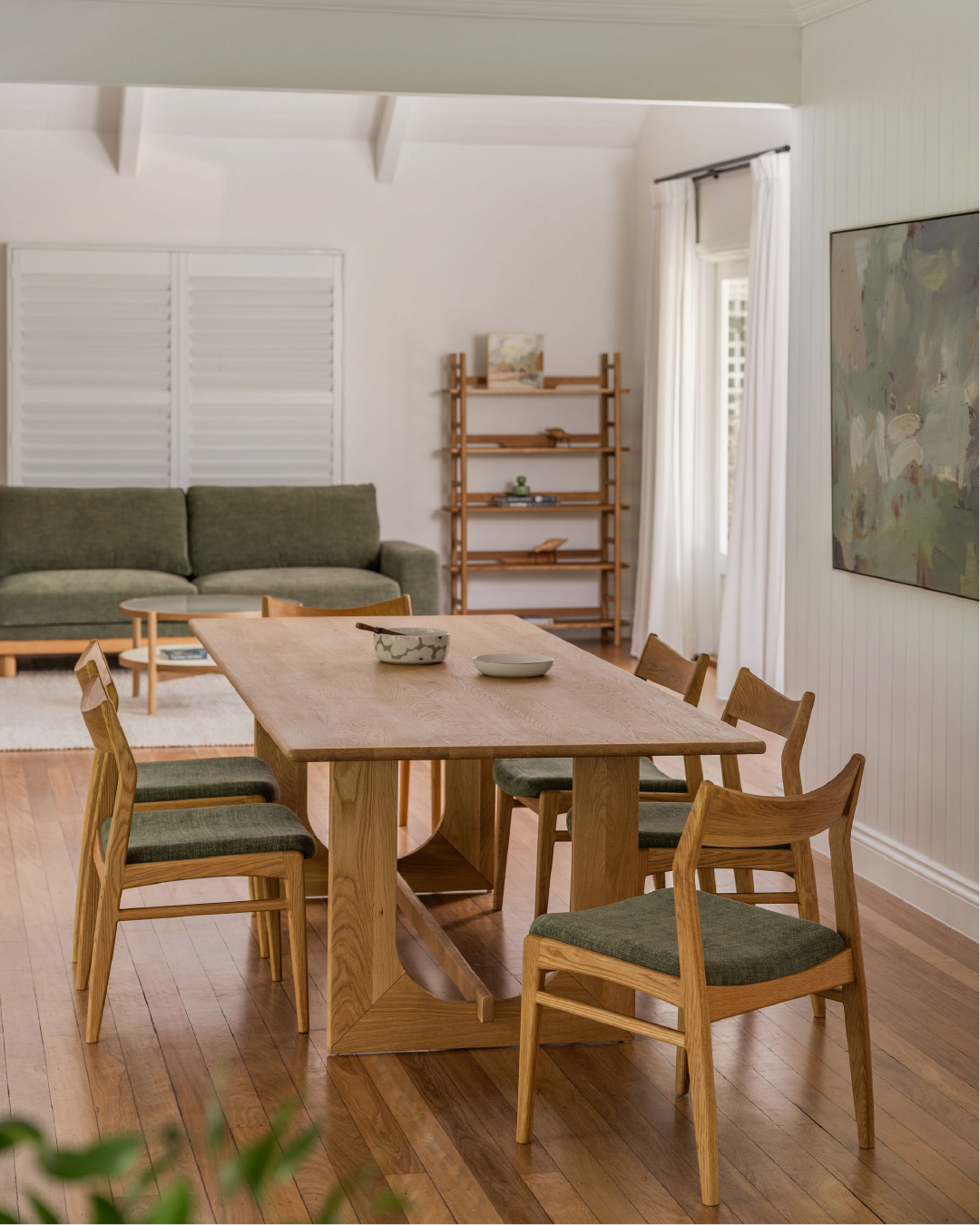
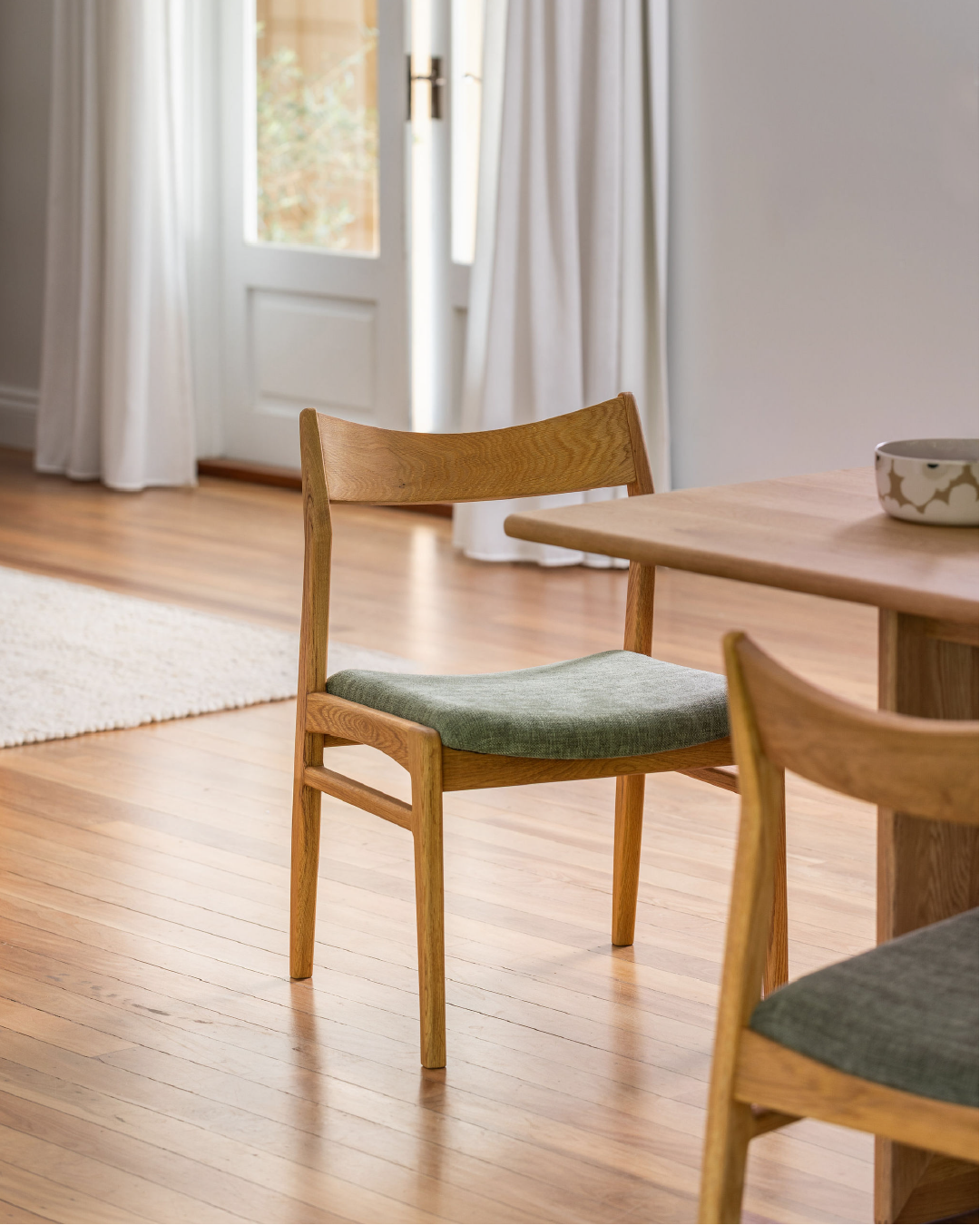
“I love pairing warm solid oak dining tables with natural fabric and subtle leather accents,” says Angela.
Lighter timbers keep a room feeling open and airy, while textured fabrics soften the lines of the timber. Leather can add a little more depth and warmth without making the overall palette feel heavy.

Lesson 5 – Comfort creates connection
What do the most welcoming coastal homes have in common?
“They never feel precious,” Angela says. “You can walk in, kick your shoes off, and sit down without feeling like you might disturb something.”
The most inviting homes share an easy warmth. The furniture is placed to encourage conversation, there is space to move around comfortably, and every seat feels like somewhere you want to settle into.
What design choices naturally encourage conversation & connection?
Creating a social room is as much about furniture shapes as it is about layout.
“A round dining table completely changes the dynamic of a meal,” Angela explains. “Everyone can see one another, there’s no head of the table, and conversation flows naturally.”
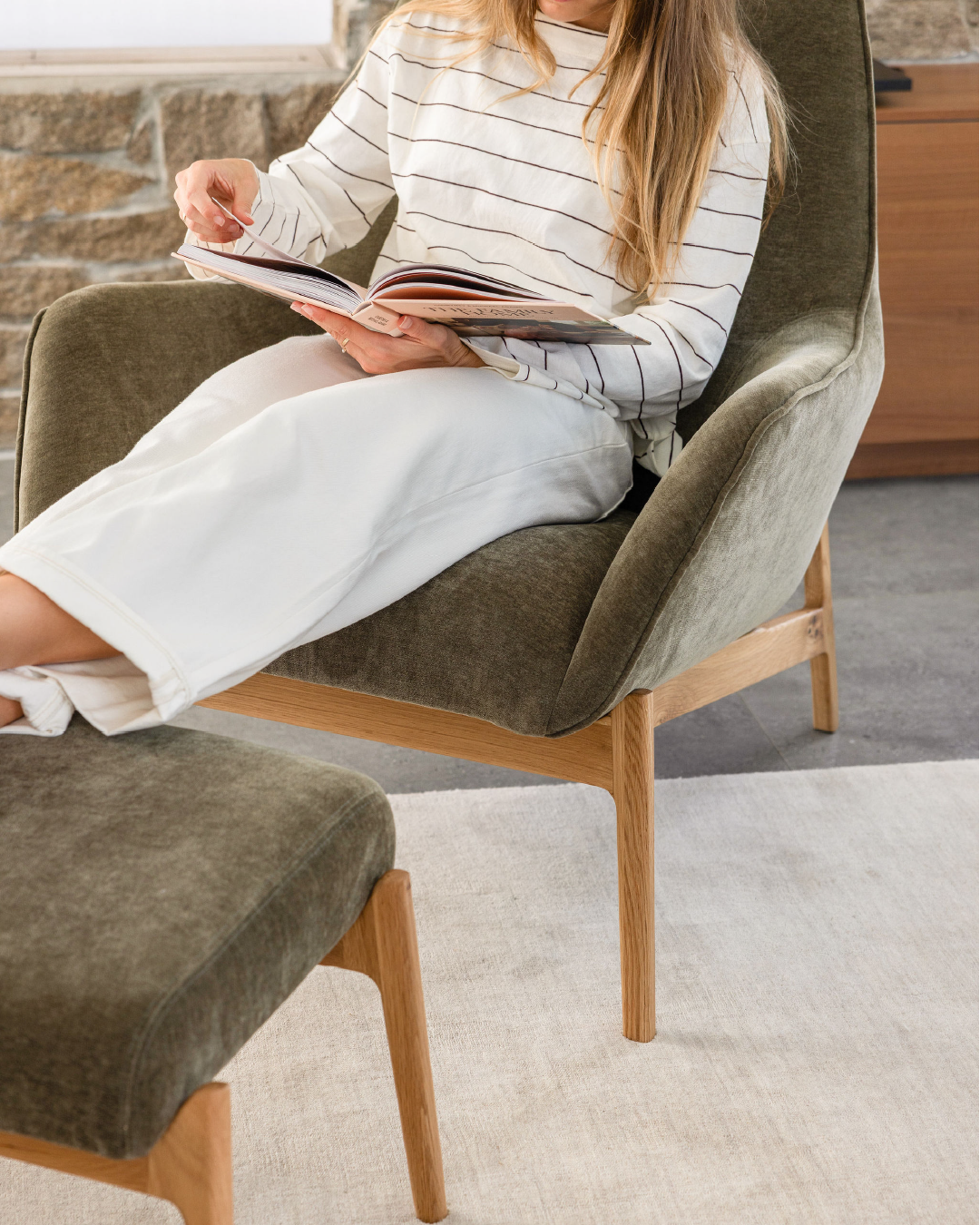
In the living room, simply turning an armchair slightly inward toward the sofa rather than pointing everything toward a screen creates an immediate setting for conversation. Ottomans and benches are another favourite for their flexibility, acting as a footrest, a coffee table with a tray, or an impromptu extra seat when friends drop by.
What's one simple change people can make to create a more inviting home?
“Look at what has collected over time and edit back,” Angela suggests.
That doesn’t mean stripping the character out of the room. Sometimes it’s simply noticing the chair nobody ever sits in, the side table that has become a dumping ground, or the little things gradually creeping into a walkway. Take one or two away and see how the room feels.
When people walk into the Noosa Showroom, what room setting do they connect with the most and why?
“People always gravitate toward our open dining and living settings where solid timber meets soft upholstery,” Angela shares.
Visitors often walk in drawn to a generous dining table or lounge, running their hands over the timber grain and settling into the cushions. It’s interesting how often people touch a piece before they start asking about it. Timber, leather and soft upholstery are things you want to feel, not just look at.
If you could leave readers with one lesson from coastal living they could bring into their home tomorrow, what would it be?
“Design for the way your family actually lives, not how you think a room is supposed to look.”
It’s something Angela sees often in our Noosa showroom. People might arrive looking for furniture for a particular room, but the conversation soon becomes much more about how they live. Who uses the space? How do they spend their weekends? Where does everyone end up at the end of the day?
Those answers often tell you far more about the furniture you need than the dimensions of the room alone.
Start with comfort, and choose the furniture that fits around your life.

Bringing the lessons home
The best ideas from coastal living don’t require a beach house or an ocean view.
They’re quite simple. Keep floor plans open and uncrowded, choose furniture that works for the way you live, and choose materials that age gracefully. Take your cues from the light, colours and textures around you, rather than trying to recreate a particular “look”.
The result feels less like a coastal interior and more like what you wanted in the first place: a home that’s calm, welcoming and easy to live in. Wherever that happens to be.
What Others Are Reading
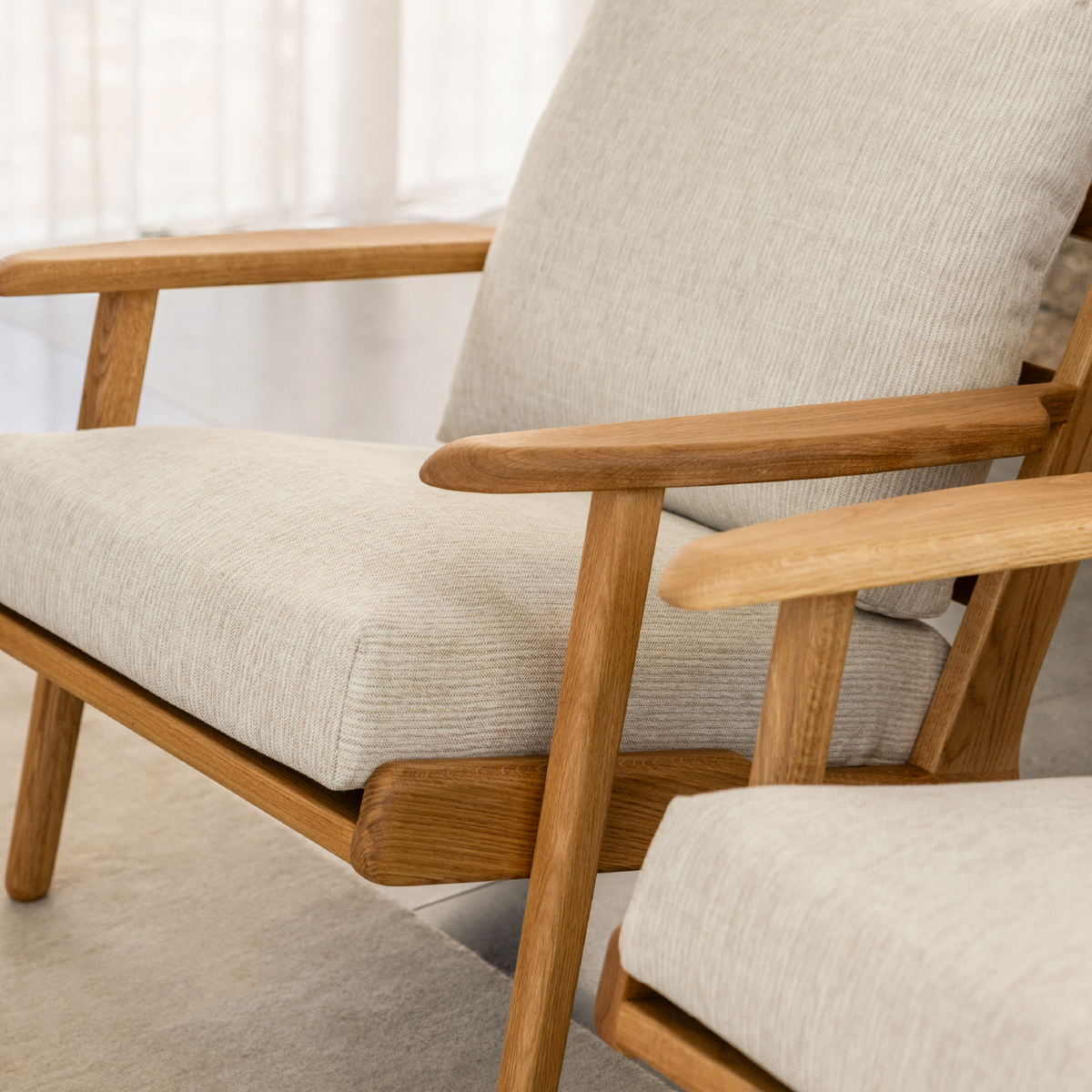
What is a Martindale rating? How important is pilling resistance? Here’s how to choose furniture fabrics that balance longevity and comfort.
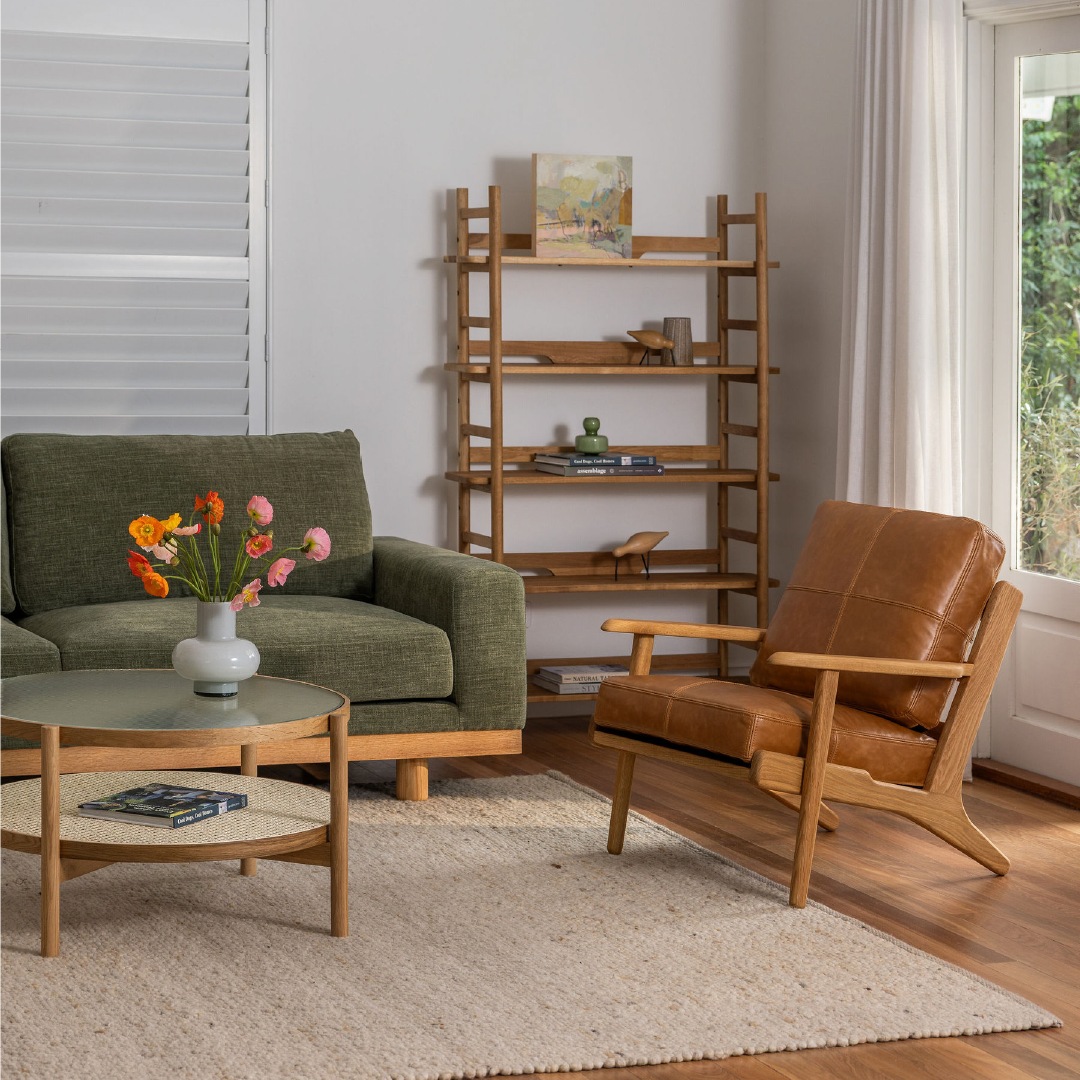
Colour doesn’t have to mean bold or bright. Here’s how to introduce colour while maintaining a timeless, lived-in feel.