



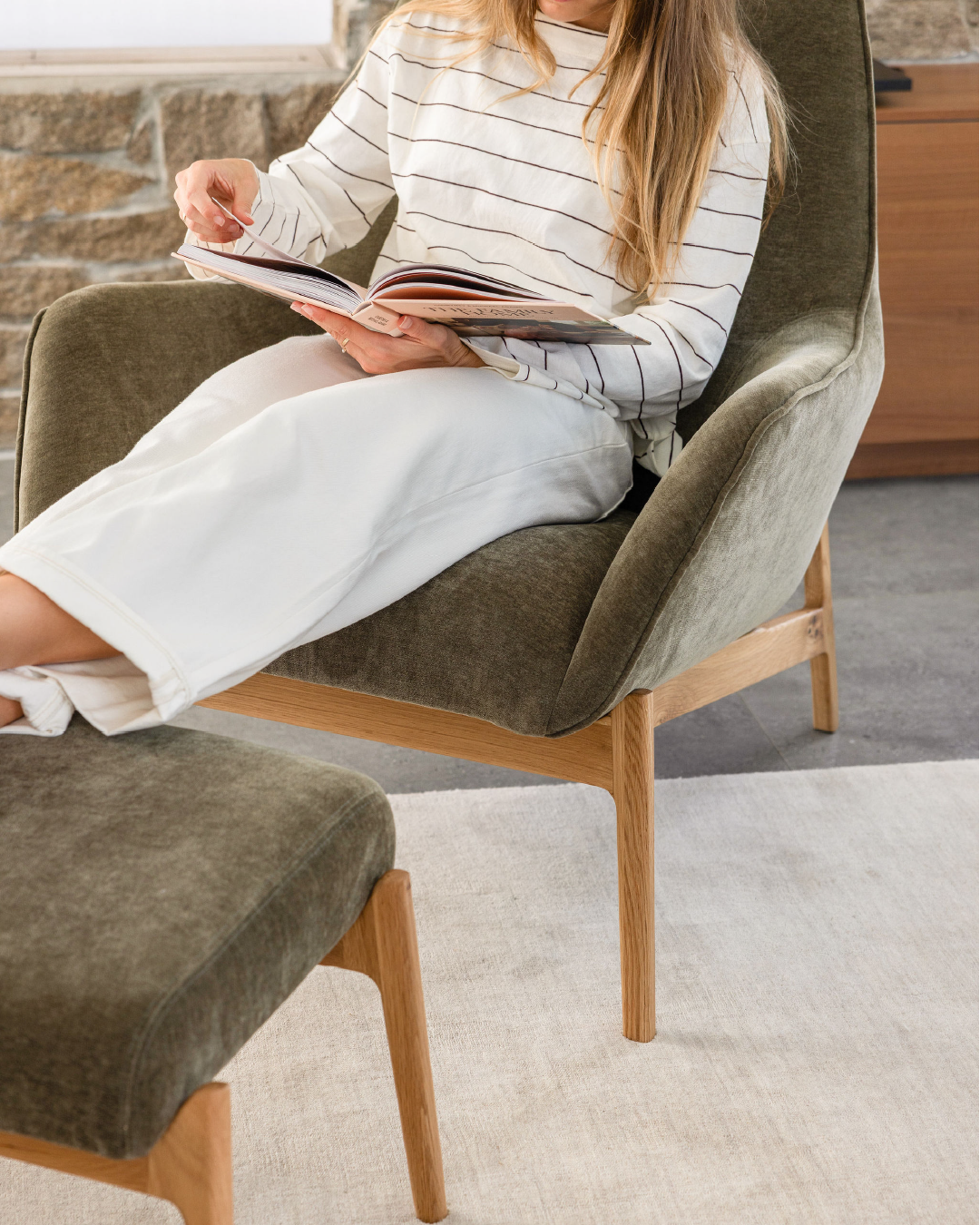
Fabric Durability Guide: How to Know Your Fabric Furniture Will Last
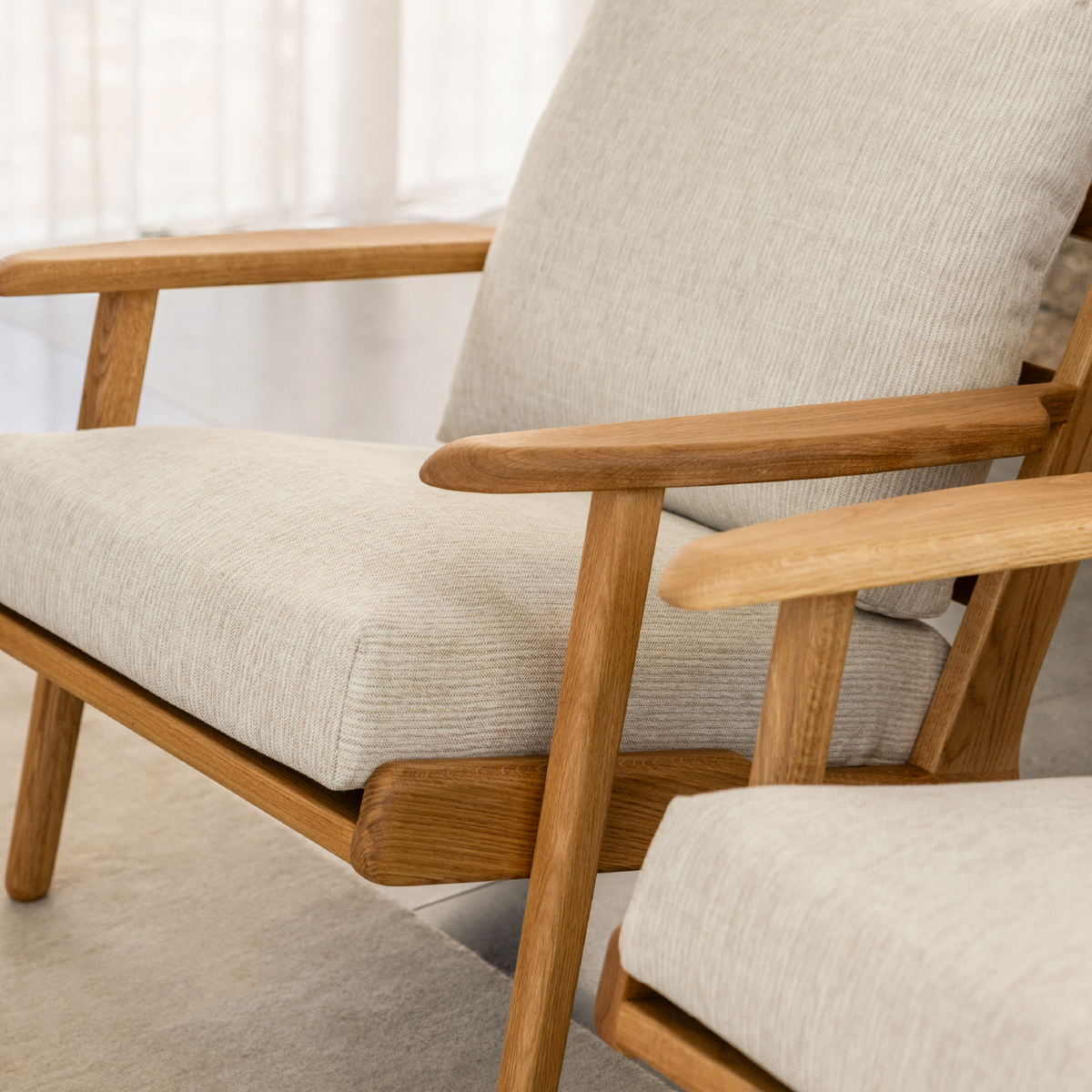
When choosing fabric furniture, durability is one of the most important factors to consider. Whether it's a sofa for everyday lounging, an armchair for your favourite reading corner, or a dining chair used every day, upholstered furniture should feel comfortable while standing up to the way you live.
Knowing how well a fabric will perform involves more than comparing a single number on a specification sheet. Several different performance ratings work together to tell the story of a fabric's durability, comfort and longevity, helping you understand how it is likely to look and feel over years of everyday use.
The best fabric isn't necessarily the one with the highest durability rating. A sofa in a formal living room may have different requirements to a family sofa that's used every day, or a pet-friendly sofa designed to handle a little more activity. Choosing the right upholstery is about finding the balance between durability, comfort, appearance and the needs of your household.
In this guide, we'll explain everything you need to know about fabric durability, including Martindale abrasion ratings, fabric composition, pilling resistance, colourfastness and fabric weight, so you can confidently choose upholstered furniture that's designed to look beautiful and perform well for years to come.
Why fabric performance ratings matter
Fabric performance ratings help you compare how different upholstery fabrics are likely to wear, feel and perform over time, making it easier to choose the right fabric for your home and lifestyle.
When shopping for fabric furniture, you'll often come across a range of technical specifications. While they may seem complex at first, these industry-standard ratings simply measure how a fabric performs under specific testing conditions, providing an objective way to compare important characteristics such as abrasion resistance, colourfastness and pilling resistance.
It's important to remember, however, that the highest rating isn't always the best choice.
A fabric designed for heavy commercial use may offer exceptional durability, but that doesn't automatically make it the ideal option for every home. The way a fabric feels, its appearance, how easy it is to maintain and how your furniture will be used are equally important considerations.
For example, a sofa in a formal living room that's used occasionally will have very different requirements to a family sofa that becomes the heart of the home, or a pet-friendly sofa where durability and ease of maintenance are likely to be higher priorities.
The best upholstery fabric strikes the right balance between durability, comfort and style. It should not only perform well for your household but also complement the look and feel of your space.
Understanding what each performance rating measures allows you to look beyond the numbers and choose a fabric with confidence, knowing it's well suited to the way you'll use and enjoy your furniture for years to come.
Here's what each of the key fabric performance ratings means and how they can help you make a more informed decision.

Martindale Abrasion Rating Explained
The Martindale Abrasion rating provides an indication of how well a fabric can handle repeated rubbing and everyday contact over time. When considering fabric durability, it is one of the most referenced measurements.
While it’s not the only factor that determines how a fabric will perform, it is a useful benchmark when comparing different upholstery fabrics.
What is the Martindale test?
The Martindale Test is an industry-standard method used to measure a fabric’s resistance to abrasion. The rating gives an indication of how much repeated friction a fabric can handle before showing signs of wear.
During the test, a piece of fabric is placed under controlled pressure and rubbed in a circular motion against a standard abrasive surface. The process continues until noticeable signs of wear appear, with the number of completed cycles recorded as the fabric’s Martindale rating.
How is the Martindale test measured?
The Martindale Test is measured in cycles, where each cycle represents one complete circular movement during the test. The higher the number of cycles, the greater the fabric’s resistance to abrasion.
However, this number should always be viewed alongside other factors such as fabric composition, weave, texture, and how the furniture will be used in the home.
A fabric with a very high Martindale rating may perform exceptionally well in a high-use environment, but a lower-rated fabric may still be perfectly suited to a home where comfort, texture or a particular look is the priority.
What do the numbers mean?
Martindale ratings are generally grouped into different levels based on the type of use they are best suited for. While there are no strict rules that apply to every fabric, the following guide provides a helpful indication:
|
Martindale Rating |
Best suited for |
|
10,000–15,000 cycles |
Decorative pieces or furniture with occasional use |
|
15,000–25,000 cycles |
Light residential use |
|
25,000–40,000 cycles |
Everyday residential furniture |
|
40,000+ cycles |
Heavy residential use and commercial environments |
It’s worth remembering that a higher Martindale rating doesn’t automatically mean a fabric is better. The test measures abrasion resistance only — it doesn’t measure softness, comfort, colour retention or how a fabric feels in your home.
A well-chosen fabric is about finding the right balance between how it looks, how it feels and how it will be lived with.

Fabric Composition Explained
Fabric composition refers to the different fibres that make up an upholstery fabric. Some fabrics are made from a single fibre, while others combine multiple fibres to bring together different characteristics such as softness, strength, colour retention and ease of care.
While performance ratings can tell us a lot about how a fabric has been tested, the fibres used to create that fabric also play an important role in how it feels, wears and performs over time.
There is no single fibre that is automatically the best choice for every sofa or home. The right composition depends on the balance you are looking for, whether that’s a soft texture, everyday practicality, a relaxed look or a fabric that can handle more regular use.
Polyester
Polyester is one of the most used fibres in upholstery and is known for its versatility. It offers good resistance to everyday wear while maintaining a comfortable feel, making it a popular choice for fabric furniture used regularly throughout the home.
Its ability to hold colour well and its resilience make it a practical option for many different styles of upholstery, from soft textured fabrics through to more structured weaves.
Acrylic
Acrylic fibres are often used in upholstery fabrics where colour retention and resistance to fading are important considerations. They can help fabrics maintain their appearance over time, particularly in spaces where furniture is exposed to natural light.
Acrylic is also valued for its soft feel, making it a popular choice when comfort and appearance are equally important.
Nylon
Nylon is known for its strength and resilience. When used in upholstery fabrics, it can help improve durability and resistance to wear, particularly in blends where different fibres are combined to create a balanced performance.
Fabric blends
Many upholstery fabrics combine different fibres to bring together the benefits of each material. A blend might pair the strength of one fibre with the softness, texture or colour performance of another, creating a fabric that balances practical performance with the look and feel desired for the piece.
When choosing fabric furniture, the composition is one part of the overall picture. Factors such as the weave, finish, maintenance requirements and how the furniture will be used all contribute to how a fabric performs in your home. Explore our Material Library to discover the different fabrics, textures and finishes available across our mid-century modern furniture collection.

Fabric Weight (GSM) Explained
GSM (grams per square metre) measures the weight of a fabric. While it gives an indication of how dense or substantial a fabric feels, it should not be used as a measure of durability or overall quality on its own.
When comparing upholstery fabrics, GSM refers to the amount of material contained within one square metre of fabric. In simple terms, it helps describe the fabric's weight and density. Fabrics with a higher GSM generally feel thicker and more substantial, while those with a lower GSM often have a lighter, more relaxed feel.
It's important to remember that a higher GSM doesn't automatically mean a fabric will last longer or perform better.
The overall performance of an upholstery fabric depends on a combination of factors, including the fibres it's made from, the way it has been woven, any protective finishes that have been applied and its intended use. A lighter-weight fabric with a strong construction can offer excellent durability, while a heavier fabric may have been chosen for its luxurious texture, softness or visual appeal.
Rather than judging a fabric by its GSM alone, consider it alongside other performance measures such as Martindale abrasion, pilling resistance, colourfastness and fabric composition to build a more complete picture of how it will look, feel and perform in your home.
How does GSM affect the feel of a fabric?
GSM influences how a fabric feels, drapes and presents on furniture, with heavier fabrics generally feeling more substantial and lighter fabrics offering a softer, more relaxed look.
Fabric weight plays an important role in the overall character of an upholstery fabric. Higher GSM fabrics often create a more structured appearance and can feel thicker to the touch, while lower GSM fabrics tend to have a lighter hand feel and a more relaxed drape.
For upholstered furniture, there's no single "ideal" GSM. The right fabric weight depends on the design of the piece, the intended aesthetic and how you want the furniture to feel in everyday use. A beautifully textured fabric that feels comfortable and inviting can be just as important as its technical performance ratings.
Does a higher GSM mean a longer-lasting fabric?
Not necessarily.
A higher GSM means a fabric is heavier, but it does not necessarily mean it is more durable or longer lasting.
While fabric weight provides insight into the density and feel of a material, durability is determined by a combination of factors. Fibre composition, weave construction, Martindale abrasion rating, pilling resistance and the way the furniture is used all contribute to how well a fabric performs over time.
Rather than focusing on a single specification, consider GSM alongside the other fabric performance ratings. Looking at the complete picture will give you a much better understanding of whether a fabric is suited to your home, lifestyle and everyday use.
Pilling Resistance Explained
If you've ever noticed small balls of fibre forming on the surface of a sofa or armchair, you've seen pilling. It's one of the most common questions people have when choosing upholstered furniture, but it's also one of the most misunderstood. In many cases, pilling is a normal characteristic of fabric and doesn't necessarily indicate poor quality or durability.
What is pilling resistance?
Pilling resistance refers to a fabric’s ability to resist the formation of small fibre balls on its surface over time.
Pills form when loose fibres become tangled together through friction. This can happen through everyday contact with clothing, cushions, blankets, pets, and general everyday living. The amount of pilling a fabric experiences depends on several factors, including the type of fibre, the fabric construction, and how the furniture is used.
It’s also important to understand that pilling is a natural characteristic of some upholstery fabrics and is not considered a fabric fault or manufacturing defect. Even fabrics with a good pilling resistance rating may develop some surface changes over time as they become a valued member in your home.
How is pilling resistance measured?
Pilling resistance is measured using a rating scale from 1 to 5, with 5 representing the highest level of resistance.
During testing, the fabric is rubbed under controlled conditions and assessed based on the amount of pilling that appears on the surface. The result provides an indication of how the fabric is expected to perform, but real-life use can vary depending on the environment and how the furniture is lived with.
What level of pilling resistance is best for family living?
For everyday family living, a fabric with a higher pilling resistance rating is generally a good choice, particularly for furniture that receives regular use.
However, the rating is only one part of the story. Softer, more textured fabrics may naturally behave differently to tightly woven fabrics, and some fibres are more likely to show surface changes over time.
The goal is not necessarily to find a fabric that will never change, but rather to choose one that suits your expectations, lifestyle and how you want your furniture to feel and look over time.
Pilling Resistance Rating Guide
|
Pilling Resistance Rating |
What it means |
|
1 |
Low resistance - likely to develop noticeable pilling with use |
|
2 |
Moderate to low resistance - suited to lighter use |
|
3 |
Moderate resistance - suitable for general residential use |
|
4 |
Good resistance - suitable for regular everyday use |
|
5 |
Excellent resistance - highly resistant to pilling |

Colourfastness Explained
Whether you've chosen a soft neutral or a rich statement colour, you want your upholstered furniture to look just as beautiful years from now as it does the day it arrives. Over time, everyday use, sunlight and cleaning can all influence how a fabric's colour changes, which is where colourfastness becomes an important consideration.
What is colourfastness in furniture?
Colourfastness refers to a fabric's ability to retain its colour and resist fading or colour change when exposed to different conditions.
Different fibres, dyes, and fabric constructions can all influence how a material responds to exposure from sunlight, moisture and general use. A fabric with good colourfastness is more likely to maintain its appearance for longer, particularly in areas where furniture receives regular exposure to natural light.
However, no upholstery fabric is completely unaffected by its environment. Over many years, gradual changes can occur depending on factors such as the amount of sunlight a room receives, the position of the furniture and how the fabric is cared for.
How is colourfastness measured?
Colourfastness is generally measured on a scale from 1 to 5, with 5 representing the highest level of colour retention.
During testing, fabrics are exposed to controlled conditions and assessed for changes in colour. The resulting rating provides an indication of how well a fabric is expected to maintain its appearance when exposed to light and other conditions.
What level of colourfastness is best?
For fabric furniture in Australian homes, a higher colourfastness rating can be beneficial, particularly for sofas or chairs positioned near windows or in rooms with plenty of natural light.
That said, the right choice depends on where and how the furniture will be used. A fabric in a shaded living area may have different requirements to a piece positioned in direct sunlight for much of the day.
It’s also worth remembering that gradual colour changes over time are a natural characteristic of many materials. A colourfastness rating helps indicate how resistant a fabric is to fading, but it does not mean a fabric will remain completely unchanged forever.
Colourfastness Rating Guide
|
Colourfastness Rating |
What it means |
|
1 |
Low resistance to fading - colour may change noticeably with exposure |
|
2 |
Limited resistance - suited to areas with minimal light exposure |
|
3 |
Moderate resistance - suitable for general indoor use |
|
4 |
Good resistance - suitable for most residential settings |
|
5 |
Excellent resistance - highly resistant to colour change |
The most important fabric durability ratings depend on how your furniture will be used, as there is no single measurement that determines whether a fabric is the right choice for your home.
With so many different fabric ratings to consider, it can be tempting to focus on finding the highest number. However, each measurement evaluates a different aspect of fabric performance, and together they provide a more complete understanding of how a fabric may look, feel and perform over time.
Martindale measures abrasion resistance, pilling resistance indicates how likely a fabric is to develop surface fibres, colourfastness shows how well a fabric maintains its colour, and GSM provides insight into the weight and density of the material.
The ratings that matter most will depend on your lifestyle and the way your furniture is used. A sofa that becomes part of everyday family life may benefit from different performance qualities than a piece used occasionally in a quieter living space.
Understanding these measurements allows you to look beyond individual numbers and choose a fabric that balances durability, comfort, appearance and the needs of your home.
|
If your priority is... |
Key ratings & factors to consider |
|
Everyday family living |
Higher Martindale rating, good pilling resistance, and practical fabric composition |
|
Homes with pets |
Strong abrasion resistance, good pilling resistance, and easy-care fabric composition |
|
Furniture near windows or natural light |
Higher colourfastness rating |
|
A softer, more relaxed feel |
Fabric composition, texture, and overall comfort |
|
Occasional or decorative furniture |
Appearance, texture, and personal preference |
The best fabric is not necessarily the one with the highest rating across every category. It’s the one that offers the right combination of performance, comfort and style for the way your furniture will be enjoyed.

Our Approach to Fabric Selection
When selecting fabrics for our collections, The Modern looks beyond individual performance ratings. While durability is an important part of choosing upholstery, we also consider how a fabric feels, how it complements the design of a piece and how it will fit into the way people live at home.
Australian homes are wonderfully varied. Some spaces need a fabric that can handle regular everyday use, while others may prioritise softness, texture or a particular look and feel. There is no single fabric that suits every home, which is why we offer a range of options across our collection.
Our approach is about finding the right balance between comfort, practicality and design. A fabric should not only perform well, but also feel right for the space it becomes part of.
To explore the different fabrics available across our collection, visit our Material Library, where you can learn more about each fabric’s composition, performance characteristics and care requirements.
Finding the Right Fabric for Your Home
Choosing fabric furniture is about more than finding the highest rating or the strongest performing material. It’s about understanding how different fabrics behave and finding the right balance between durability, comfort, style and the way you live.
Every home is different, which is why there is no single fabric that works for everyone. Whether you’re looking for a sofa that can handle everyday family life, a relaxed piece that adds texture to your space or a fabric that suits a particular style of interior, understanding the details can help you make a more confident choice.
Our team is always happy to help you explore the different fabric options available across our collection. Visit one of our showrooms to experience the textures and finishes in person, or explore our collection online from the comfort of your home.
From fabric composition and performance ratings through to care recommendations, our Material Library is also available to help you understand each option and find the fabric that feels right for your space.
What Others Are Reading
Oak dining tables are our bread & butter. Here’s what to consider when selecting the dining table you’ll treasure for years to come.
Angela shares what coastal living has taught her about creating a relaxing home & why you don’t need an ocean view to do it.